
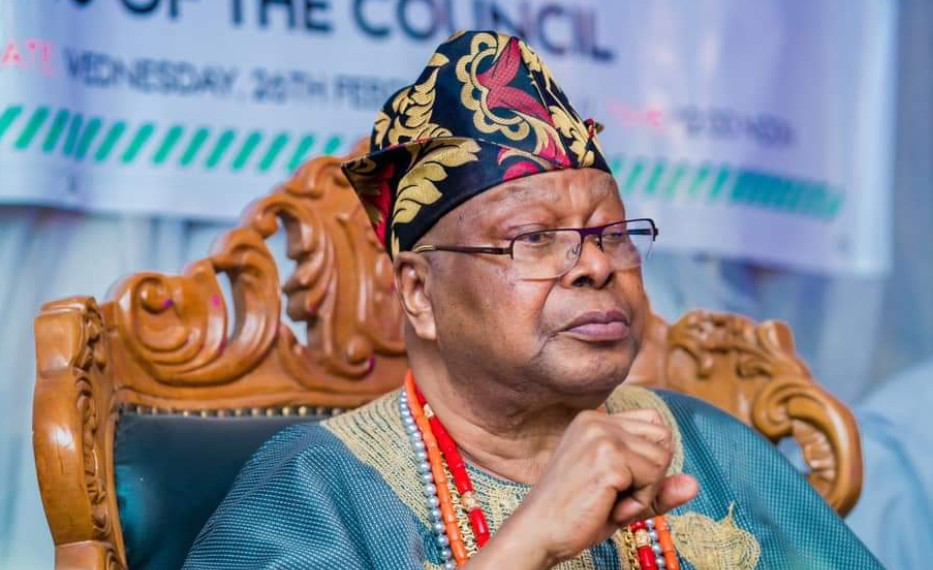
History and Profile of Oba Sikiru Kayode Adetona, Awujale of Ijebuland *Early Life and Background* Oba Sikiru Kayode Adetona, Ogbagba Agbotewole II, was born on May 10, 1934, into the Royal House of Anikinaiya in Imupa, Ijebu Ode, Ogun State, Nigeria. He was the son of Prince Rufai Adetona Adeleke (born c. 1902), a descendant
History and Profile of Oba Sikiru Kayode Adetona, Awujale of Ijebuland
*Early Life and Background*
Oba Sikiru Kayode Adetona, Ogbagba Agbotewole II, was born on May 10, 1934, into the Royal House of Anikinaiya in Imupa, Ijebu Ode, Ogun State, Nigeria. He was the son of Prince Rufai Adetona Adeleke (born c. 1902), a descendant of Oba Adeleke, Ogbagba Agbotewole I (Awujale from 1895 to 1906), and Ajibabi Onashile, a princess from Ijebu Igbo. The Anikinaiya Royal House traces its lineage to Oba Anikilaya, Figbajoye Agboogunsa I (reigned 1821–1854), and further back to Olu-Iwa and Obanta, semi-legendary founders of the Ijebu Kingdom. As the third of seven children, young Sikiru was immersed in the rich cultural and historical traditions of Ijebuland from an early age.
 Personal Life and Legacy
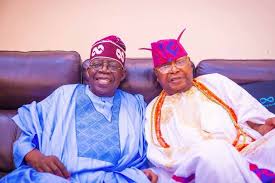
Married to Iyabo Oke, Modupe Ekundayo, and Oluwakemi Dodo-Williams, Oba Adetona was a devoted family man with many descendants. His forthcoming biopic, “Awujale”, is set for release in 2025.
Wives
-
Olori Iyabo Oke (from Ijebu Ode)
-
Olori Modupe Ekundayo
-
Olori Oluwakemi Dodo‑Williams
Children (×9)—
Oba Adetona had nine children with his three wives:
-
Mohammed Suud Adedire—his first child with Olori Iyabo Oke, born during his pilgrimage in Jeddah
-
Prince Adedire Adetona—the first son; in his 2025 interview, he described growing up with strong cultural values.
-
Princess Sidikat Motunrayo Adetoun married Olanrewaju Oladiran in a high-profile 2016 wedding
-
Princess Kemi Adetoun—mother of Oba Adetona’s newest grandchild born in London
5–9. Five additional children whose names are not widely publicized; collectively, his offspring number nine
He received national honors, including CFR and GCON, and honorary doctorates from institutions like Olabisi Onabanjo University and the University of Technology, Yola.
Passing and National Impact
Oba Adetona passed on July 13, 2025, mere hours after his longtime friend President Muhammadu Buhari, marking a poignant moment in Nigeria’s history. Ogun State Governor Dapo Abiodun described the day as a “monumental loss.”
His educational journey began at Baptist School, Ereko, Ijebu Ode; Ogbere United Primary School, Oke Agbo, Ijebu Igbo; and Ansar-Ud-Deen School, Ijebu Ode between 1943 and 1950. He later attended Olu-Iwa (now Adeola Odutola) College in Ijebu Ode from 1951 to 1956. After secondary school, he joined the Western Region Civil Service in the accounts department before pursuing advanced studies in accountancy in the United Kingdom in 1959.
The path to Oba Sikiru Adetona’s reign as Awujale was marked by divine providence and a break from tradition. In 1959, following the death of the 57th Awujale, Oba Daniel Robertson Adesanya, Gbelegbuwa II, the Anikinaiya Ruling House nominated six candidates, including Sikiru, then a 25-year-old prince studying in England. Despite his youth and absence from Ijebuland, his father, Omo-Oba Rufai Adetona, proposed him as a candidate, a decision that surprised many. On October 26, 1959, the kingmakers (Afobaje) unanimously selected him, and on January 4, 1960, the Western Region Ministry of Local Government formally approved his appointment as the Awujale of Ijebuland, pursuant to Section 11 of the Chiefs Law of 1957
Oba Adetona returned to Nigeria and underwent traditional seclusion at Odo for three months, a customary rite to prepare him for kingship. On April 2, 1960, he was officially crowned the 58th Awujale in a grand ceremony attended by dignitaries, including the Premier of the Western Region, Chief Samuel Ladoke Akintola, and Chief Obafemi Awolowo. The event, held at Itoro, Ijebu Ode, marked the beginning of a transformative era for Ijebuland. On April 5, 1960, he took his seat in the Western Region House of Chiefs, and his charisma led to his appointment as a minister and member of the region’s executive council, a position he held until the 1962 Western Region political crisis.
*Reign and Achievements*
Oba Sikiru Adetona’s reign, spanning over 65 years (1960–2025), made him one of Nigeria’s longest-serving monarchs, a record unmatched in the nearly 1,000-year history of the Ijebu Kingdom. His leadership was defined by a blend of tradition and modernity, earning him recognition as a pre-eminent monarch in Yorubaland and Nigeria.
1. *Cultural Preservation and the Ojude Oba Festival*: Oba Adetona transformed the Ojude Oba festival into a global cultural icon, showcasing Ijebu heritage and attracting tourists and dignitaries worldwide. This annual event became a symbol of unity and pride for the Ijebu people, fostering cultural preservation and economic opportunities
2. *Economic Empowerment*: He initiated the Ijebu Development Initiative on Poverty Reduction, a pioneering microfinance and poverty alleviation program. Starting with seed funding of 500,000 naira, the initiative grew to over 100 million naira, benefiting thousands of Ijebu citizens and serving as a model for other regions.
 3. *Educational Contributions*: In 2016, Oba Adetona established the Oba Sikiru Adetona Professorial Chair in Governance at Olabisi Onabanjo University with a 1-billion-naira endowment fund. The chair, launched with a professor and research facilities, became a leading center for governance studies in Nigeria. The university later renamed its School of Governance Studies in his honor, reflecting his commitment to education and leadership.
4. *Advocacy for Traditional Rulership*: Known for his candor and moral authority, Oba Adetona was a vocal advocate for constitutional roles for traditional rulers. He resisted sycophancy, criticized harmful government policies, and maintained the monarchy’s relevance as a defender of cultural values and public interest. His influence extended to national discourse, earning him respect from political leaders and peers.
5. *Infrastructure and Development*: Under his reign, Ijebuland saw significant strides in infrastructure, healthcare, and commerce, establishing the region as a hub of progress in Ogun State. His leadership fostered social harmony and economic growth, making Ijebuland a model of development.
1. Preserving Culture through the Ojude Oba Festival
He elevated the festival into an international celebration of Ijebu heritage, drawing global attention to Ijebuland’s traditions and tourism.
2. Economic Empowerment
He launched the Ijebu Development Initiative on Poverty Reduction (IDIPR), turning ₦500,000 into over ₦100 million in micro-loans and community investments.
3. Commitment to Education
He endowed a ₦1 billion Professorial Chair at Olabisi Onabanjo University, promoting governance studies and youth empowerment.
4. Voice for Traditional Rulers
Oba Adetona boldly advocated constitutional roles for monarchs and upheld the dignity of traditional institutions with unwavering candor.
5. Development Champion
He spearheaded infrastructural, healthcare, and commercial projects that transformed Ijebuland into a model of progress in Ogun State.
*Personal Life and Legacy*
Oba Adetona was married to three wives—Iyabo Oke, Modupe Ekundayo, and Oluwakemi Dodo-Williams—and was survived by nine children, grandchildren, and great-grandchildren. His autobiography, Awujale: The Autobiography of Alaiyeluwa Oba S.K. Adetona, Ogbagba II, provides an in-depth account of his life and reign, serving as a historical record and inspiration for future generations. A biopic, Awujale, directed by Tunde Olaoye, was set to premiere in 2025, documenting his remarkable journey.
He received numerous accolades, including the national honor of Commander of the Federal Republic (CFR) and the Grand Commander of the Order of Nigeria (GCON) in 2024, recognizing his contributions to national development. He also held honorary degrees, such as Doctor of Law (LL.D) from the University of Technology, Yola, and Doctor of Civil Law (D.CL) from Olabisi Onabanjo University.
*Passing and National Impact*
Oba Sikiru Kayode Adetona passed away on July 13, 2025, at the age of 91, in a private hospital in Lagos, just hours after the death of his longtime friend, former President Muhammadu Buhari. Their friendship, rooted in mutual respect and shared values, was notably significant during the 1983 military coup when Buhari’s intervention prevented Adetona’s deposition by the Ogun State government. The coincidence of their deaths marked a day of profound national mourning, as described by Ogun State Governor Dapo Abiodun, who called it a “monumental loss” to Ijebuland, Ogun State, and Nigeria.
Timeline of Key Events
-
1934 – Born in Ijebu Ode
-
1959 – Nominated for kingship while studying in England
-
1960 – Crowned 58th Awujale
-
2016 – Established Professorial Chair at OOU
-
2024 – Awarded Grand Commander of the Order of Nigeria (GCON)
-
2025 – Passed away at age 91, after 65 years on the throne
*Conclusion*
Oba Sikiru Kayode Adetona’s 65-year reign was a testament to his visionary leadership, unwavering integrity, and commitment to the progress of Ijebuland and Nigeria. As a custodian of culture, a champion of development, and a respected elder statesman, he left an indelible legacy that continues to inspire. His contributions to cultural preservation, education, and governance ensure that his name will be remembered as one of Nigeria’s most consequential monarchs.
Ondo ADC Urges Coalition Members To Register, Warns Against Disrupting Party Structure














Leave a Comment
Your email address will not be published. Required fields are marked with *