
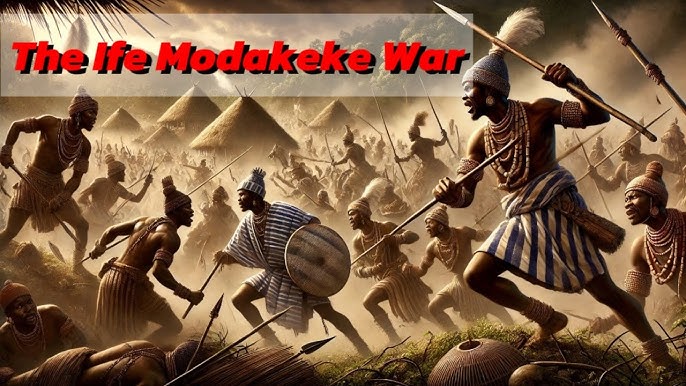
Background The fight between Ife and Modakeke stands as one of the longest intra-ethnic wars in Yorubaland, lasting for over 165 years. It was a battle rooted in migration, land disputes, and political autonomy, primarily between the people of Ile-Ife, the historical and spiritual home of the Yoruba, and the settlers of Modakeke, who sought
Background
The fight between Ife and Modakeke stands as one of the longest intra-ethnic wars in Yorubaland, lasting for over 165 years. It was a battle rooted in migration, land disputes, and political autonomy, primarily between the people of Ile-Ife, the historical and spiritual home of the Yoruba, and the settlers of Modakeke, who sought refuge there after the collapse of the Old Oyo Empire.
The Genesis of the Conflict
Migration and Settlement
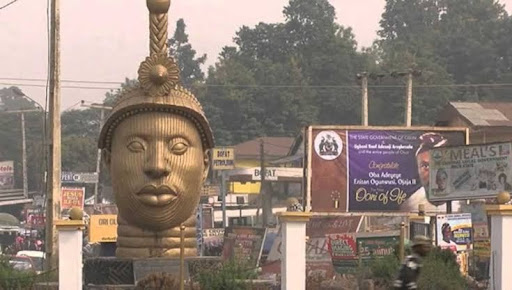
The fall of the Old Oyo Empire in the early 19th century triggered massive displacement, forcing many Yoruba groups to seek refuge in safer locations. Among these displaced people were the ancestors of Modakeke, who arrived in Ile-Ife. They were welcomed by the then Ooni of Ife, Oba Akinmoyero, and granted land to settle on the outskirts of the town. Over time, Modakeke grew into a thriving settlement, contributing significantly to the local economy, particularly through farming.
Land Ownership Disputes
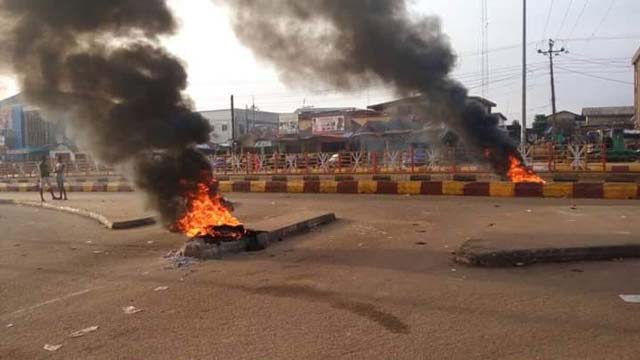
As Modakeke expanded and prospered, tensions arose over land rights. The Ife people saw themselves as the original owners of the land, while the Modakeke settlers considered themselves entitled to the lands they had cultivated. The Ife leadership imposed an “Isakole” (a traditional land rent), which the Modakeke people resisted, seeing it as unfair taxation. This disagreement became the foundation for decades of violent confrontations.
Breaking Tradition: The First And Only Female Alaafin Of Oyo
Key Moments in the Ife-Modakeke Conflict
Early Clashes (1835–1849)
The first major fights broke out in the 1830s when the Modakeke refused to pay Isakole. This led to violent skirmishes, marking the beginning of a long and bloody feud that would span centuries.
Recurring Battles in the 19th and 20th Centuries
From 1882 to 1909, another wave of intense battles erupted between the two groups. The conflict flared up again between 1946 and 1949, as disputes over land and identity continued to fuel animosities.
Post-Independence Conflicts
Even after Nigeria gained independence in 1960, the Ife-Modakeke fight did not subside. The introduction of local government structures in the 1990s worsened tensions. The establishment of Ife East Local Government in 1997 became a major flashpoint. The Modakeke people demanded their own local government, separate from Ife’s control, but the Ife elite opposed this, leading to violent clashes between 1997 and 1998 that reportedly claimed thousands of lives.


The 2000 Crisis
One of the most intense modern conflicts occurred in 2000, driven by unresolved land disputes and political representation. President Olusegun Obasanjo had to intervene by setting up a peace committee led by Olabode George to mediate between the two groups.
Efforts Towards Peace
Government and Traditional Interventions
Various peace agreements have been signed over the years, particularly in 2000 and 2009, to put an end to the Ife-Modakeke feud. The Nigerian government, alongside traditional rulers, played key roles in de-escalating the tensions. The Ooni of Ife and the Ogunsua of Modakeke have been instrumental in peace-building efforts.
Cultural Integration
Despite the long-standing animosities, intermarriages between Ife and Modakeke families have occurred, fostering unity. Shared cultural events and economic interdependence have also contributed to a fragile yet hopeful peace.

Contemporary Implications of the Conflict
Economic and Social Impact
The conflict has led to massive loss of life, destruction of property, and economic setbacks for both communities. Businesses were ruined, farmlands were abandoned, and many families were displaced, creating long-term socio-economic repercussions.
Cultural and Psychological Effects
Stories of the Ife-Modakeke war are still told, shaping the younger generation’s understanding of history. However, there is a conscious effort by peace advocates, particularly women, to use these narratives to promote reconciliation rather than division.
Current State of Affairs
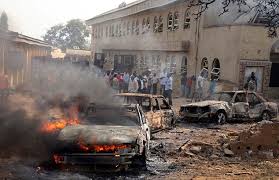
Although large-scale violence has ceased, tensions still linger. Disputes over land and governance occasionally resurface, particularly during political elections and farming seasons when land disputes become more pronounced. Social media discussions also reflect underlying distrust, making continued peace efforts crucial.
Conclusion
The Ife-Modakeke conflict remains a powerful example of how land ownership, identity, and political autonomy can fuel prolonged ethnic tensions. While peace has been achieved in recent years, the need for continuous dialogue, mutual respect, and economic cooperation remains vital to preventing a resurgence of hostilities.
FAQs
1. What caused the Ife-Modakeke conflict?
The conflict was primarily caused by disputes over land ownership, identity, and political representation. The Ife people saw themselves as landlords, while the Modakeke settlers resisted being treated as tenants.
2. How long did the Ife-Modakeke conflict last?
The conflict lasted for about 165 years, from 1835 to 2000, making it one of the longest-running intra-ethnic feuds in Yoruba history.
3. How was peace finally achieved?
Peace efforts were facilitated by the Nigerian government, traditional rulers, and community leaders through dialogue, peace treaties, and cultural integration efforts such as intermarriages and shared economic activities.
4. Is the Ife-Modakeke conflict still ongoing?
While large-scale violence has ceased, occasional disputes still arise, particularly over land and political representation. However, the situation is currently peaceful compared to previous years.
5. What lessons can be learned from the Ife-Modakeke war?
The conflict highlights the importance of dialogue in resolving disputes, the dangers of unresolved historical grievances, and the role of cultural integration in fostering lasting peace.















Leave a Comment
Your email address will not be published. Required fields are marked with *