
Oyo Assembly Sparks Controversy with Rotational Obas Council Bill: Lawmakers Walk Out, Monarchs Protest The Oyo Assembly has found itself at the center of controversy following the passage of a bill that restructures the leadership of the state’s Council of Obas and Chiefs. The legislative move, aimed at replacing a proposed permanent chairmanship by the
Oyo Assembly Sparks Controversy with Rotational Obas Council Bill: Lawmakers Walk Out, Monarchs Protest

The Oyo Assembly has found itself at the center of controversy following the passage of a bill that restructures the leadership of the state’s Council of Obas and Chiefs. The legislative move, aimed at replacing a proposed permanent chairmanship by the Alaafin of Oyo with a rotational system involving the Olubadan of Ibadanland and the Soun of Ogbomosoland, has triggered political tension, royal dissatisfaction, and a legislative walkout.
On Tuesday, two lawmakers, Hon. Olorunpoto Rahman (Oyo East) and Hon. Gbenga Oyekola (Atiba), staged a dramatic walkout during the Assembly’s plenary. The protest unfolded as the Vice Chairman of the House Committee on Local Government and Chieftaincy Matters and State Honours, Hon. Bamidele Adeola, presented the committee’s amended report. The House promptly passed the bill, but not without discord.
The amended bill now mandates a two-year rotational leadership for the Obas Council among the Alaafin of Oyo, the Olubadan of Ibadanland, and the Soun of Ogbomosoland. This decision was made in light of escalating opposition to the original clause, which had proposed a permanent chairmanship for the Alaafin, while relegating the Olubadan and Soun to substitute roles.
The revised recommendation also removed the permanent presiding officer role initially vested in the Alaafin and expanded council membership to include the 10 beaded-crown-wearing obas from Ibadan, along with Samu and Agbakin. While some stakeholders welcomed the inclusivity, others sharply criticised the expansion as politically biased and lacking proper consultation.
Rivers APC Opens Door To Governor Fubara Amid Defection Speculations
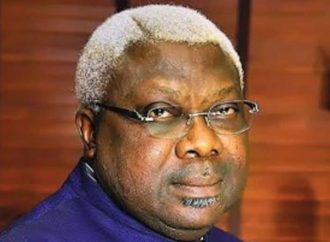
Voicing strong opposition during a press interview, Hon. Olorunpoto Rahman condemned the process that led to the amendment. “We should be guided by the truth in whatever law we make. Everyone knows the position of the Alaafin. We are not out of touch with history,” he said, emphasizing that legislative decisions should be based on historical precedence, not political convenience.
Rahman further decried the lack of stakeholder engagement, saying, “There was neither a public hearing nor stakeholder engagement. There is no instance where they invited anyone from Oyo to speak on this bill. I have serious issues with that.”
Echoing the lawmaker’s concerns, the Palace of the Olugbon of Orile-Igbon released a statement through its media consultant, Bisi Oladele, labeling the bill a “faulty political document.” The palace described the process as rushed and biased, warning that the bill would deepen existing regional divides within Oyo State.
The statement condemned the lack of consultation with traditional rulers, arguing that such a significant piece of legislation deserved broader dialogue. “The actions on the bill so far clearly ignored the relevance of traditional rulers in Oyo State. It is openly based on political patronage,” the statement read.
The Olugbon, Oba Francis Alao, further highlighted how the bill risks reinforcing the political and cultural dominance of Ibadan over other regions. “Should the bill be passed, indigenes of Oyo, Ogbomoso, Oke-Ogun and Ibarapa zones will again become second-class indigenes in their own state,” he said.
Oba Alao took particular issue with the perceived historical oversight in the bill, arguing that historical depth and traditional hierarchy must be respected in such deliberations. “We should not forget that the current palace of the Soun of Ogbomoso sits on the land that falls within Olugbon’s kingdom,” he stated, noting that more ancient towns had long accepted Soun’s role for administrative ease but not necessarily based on traditional hierarchy.
While acknowledging the dynamism of modern governance, the Olugbon insisted that tradition and respect for ancient thrones must not be sacrificed. He called on the Assembly to suspend the bill and initiate broad consultations with all stakeholders, including traditional rulers from across the state.
“Alaafin ran a huge kingdom with many other kingdoms under it,” Oba Alao noted, questioning the rationale behind equal rotational leadership. “Where is Soun’s kingdom? Where is Olubadan’s kingdom? But we are putting the past behind us because the world is dynamic. Yet the honour must be there for the thrones that deserve it.”
As tensions simmer, the Assembly faces growing calls to revisit the bill with transparency and inclusiveness. The walkout by lawmakers and rejection by prominent monarchs signal deeper divisions that, if left unaddressed, could



















Leave a Comment
Your email address will not be published. Required fields are marked with *