
Minimum Wage Crisis: LG Workers and Teachers in 20 Nigerian States Left Behind Despite Federal Mandate Despite the landmark approval of a new ₦70,000 minimum wage law by President Bola Ahmed Tinubu in July 2024, local government workers and primary school teachers in nearly 20 states are yet to benefit from the wage increase. The
Minimum Wage Crisis: LG Workers and Teachers in 20 Nigerian States Left Behind Despite Federal Mandate
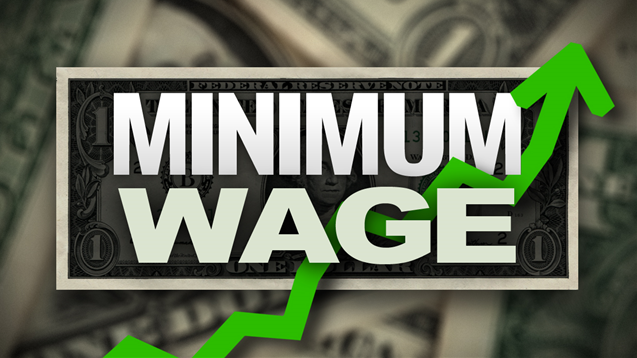
Despite the landmark approval of a new ₦70,000 minimum wage law by President Bola Ahmed Tinubu in July 2024, local government workers and primary school teachers in nearly 20 states are yet to benefit from the wage increase. The delay, according to the Nigeria Union of Local Government Employees (NULGE), underscores persistent structural and financial obstacles hindering the implementation of wage reforms across several subnational entities.
The President of NULGE, Alhaji Haruna Kankara, expressed deep concern over the failure of several state governments—including Zamfara, Cross River, Yobe, Gombe, Kaduna, Ebonyi, Borno, and the Federal Capital Territory (FCT)—to implement the new wage structure, particularly for workers at the grassroots level.
Bobrisky Duped In Online Romance Scam, Loses $990 And Warns Fans Against Digital Deceit
Minimum Wage Yet to Reach the Grassroots: The Struggles of LG Employees and Teachers
Following months of negotiations and labour agitations, President Tinubu signed the revised Minimum Wage Act into law on July 29, 2024. The act increased the national minimum wage by 133 percent, from ₦30,000 to ₦70,000, as part of the government’s broader strategy to mitigate the effects of inflation and rising living costs. While several states like Lagos, Rivers, Niger, and Enugu promptly began paying the new wage, many others have fallen short, especially when it comes to local government workers and teachers.
“We truly have the challenge of so many states, like about 20 that have not started implementing the new minimum wage,” Kankara noted. “Some have started paying the state workers, leaving out the local government workers and primary school teachers. We have continued to engage and plead with them to do the needful.”
The delay is particularly alarming for teachers, many of whom were never paid the ₦30,000 minimum wage approved in 2019. According to data obtained from the Nigeria Union of Teachers (NUT), states like Yobe, Zamfara, Imo, Cross River, Gombe, and Abia have yet to implement the previous wage adjustment, leaving thousands of educators in economic limbo.
A teacher in Yobe, speaking anonymously, said, “We haven’t even benefited from the previous minimum wage. How can someone who didn’t enjoy ₦30,000 talk of ₦70,000? We appeal to the president to please intervene.”
Growing Tensions in the FCT and Other States
The crisis is especially acute in the Federal Capital Territory, where teachers in public primary schools embarked on a strike for the fourth time in four months on March 24, 2025. The latest industrial action disrupted second-term examinations across all six area councils.
The teachers, under the FCT wing of the NUT, decried the lack of progress following earlier negotiations, which had assured them that the ₦70,000 minimum wage would reflect in their February salaries. In a communique issued after an emergency meeting, the union said, “The payment of February salary by the councils without recourse to the union and the New Minimum Wage is disturbing, disheartening, and lacking in sympathy for the plight of primary school teachers.”
They demanded immediate implementation of the February wage differential, payment of March salaries at the new rate, six months’ worth of arrears, and introduction of additional allowances, including a 40% peculiar allowance.
An LG worker in the Bwari Area Council described the situation as “unfair and degrading,” lamenting the chronic neglect of LG staff and their families by the FCT Administration. “Last month, we went on strike and resumed after negotiations. But still, nothing concrete has changed,” he said.
Implementation Challenges and Internal Frictions
While some state governments have technically commenced payments, other barriers remain. In Kwara State, for instance, although the ₦70,000 wage was implemented from October 2024, the heavy taxation imposed by the government has significantly eroded the impact of the increase.
State NULGE president, Seun Oyinlade, explained that despite the wage hike, workers are struggling. “The three-month tax relief given by the state government ended in December 2024. Since January, full tax deductions have resumed, drastically reducing our members’ take-home pay.”
The Kwara State Chairman of the Nigeria Labour Congress (NLC), Muritala Olayinka, confirmed that the new wage is being paid across the board but acknowledged workers’ dissatisfaction with the high taxation. The NLC has since requested an extension of the tax holiday, and a response from the government is still pending.
In Sokoto State, implementation was delayed due to funding constraints tied to allocations from the Federation Account Allocation Committee (FAAC). However, teachers and LG staff confirmed that they began receiving updated salaries, with some noting that ₦50,000 was added to their old wages—even though the previous ₦30,000 minimum wage had not been fully applied.
Meanwhile, attempts to grant financial autonomy to local governments have encountered resistance. NULGE’s national president noted that the Central Bank of Nigeria (CBN) has not yet issued a circular authorizing LGs to open dedicated accounts—one of the prerequisites for receiving direct FAAC allocations.
The Secretary-General of the Association of Local Governments of Nigeria (ALGON), Mohammed Abubakar, further revealed that many state finance commissioners were deliberately frustrating the process. Their actions, he claimed, are undermining the financial independence of local governments and, by extension, their ability to pay workers directly.
Looking Ahead: Labour Demands Action
As the country grapples with deepening economic hardship, labour unions are ramping up pressure on defaulting state governments to comply fully with the national wage law. Workers in affected states are calling for swift federal intervention, transparency in disbursement processes, and reforms that ensure uniform implementation of labour policies nationwide.
The failure to universally apply the minimum wage is not only a breach of a national law but also a moral indictment of governance at subnational levels. For many Nigerian workers at the grassroots, the dream of improved living standards through fair wages remains a distant hope.







Leave a Comment
Your email address will not be published. Required fields are marked with *