
Nigeria Ranks 116th in 2025 Good Governance Index, Misses Africa’s Top Five Nigeria has been ranked **116th globally** in the 2025 edition of the **Chandler Good Government Index (CGGI)**, a comprehensive benchmark that evaluates the capability and effectiveness of governments across the world. The ranking, released by the **Chandler Institute of Governance (CIG)**, highlights Nigeria’s
Nigeria Ranks 116th in 2025 Good Governance Index, Misses Africa’s Top Five
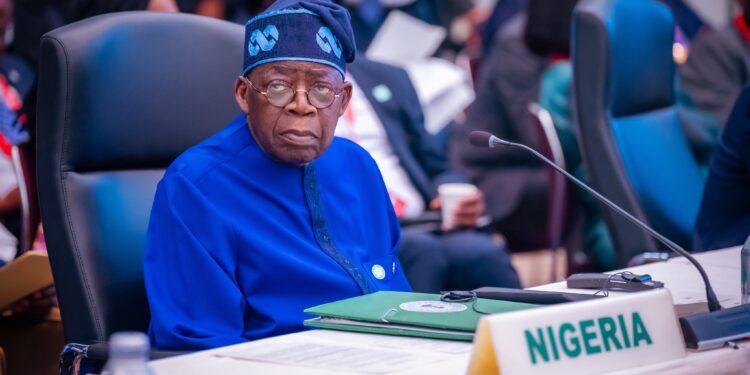 Nigeria has been ranked **116th globally** in the 2025 edition of the **Chandler Good Government Index (CGGI)**, a comprehensive benchmark that evaluates the capability and effectiveness of governments across the world. The ranking, released by the **Chandler Institute of Governance (CIG)**, highlights Nigeria’s persistent governance challenges and its failure to secure a spot among Africa’s top five performers.
The CGGI, launched in 2021, is considered one of the most detailed assessments of government quality worldwide. It evaluates over 100 countries based on **seven key pillars**: Leadership and Foresight, Robust Laws and Policies, Strong Institutions, Financial Stewardship, Attractive Marketplace, Global Influence and Reputation, and Helping People Rise.
Nigeria’s Performance Across Key Indicators
Nigeria’s position reflects deep-rooted structural and institutional weaknesses. The country ranked:
* **110th in Leadership and Foresight**
* **112th in Robust Laws and Policies**
* **114th in Strong Institutions**
* **89th in Financial Stewardship**
* **114th in Attractive Marketplace**
* **112th in Global Influence and Reputation**
* **120th in Helping People Rise**
While Nigeria performed slightly better in **Financial Stewardship** (89th), the low scores across nearly all other pillars underscore the scale of challenges policymakers face in improving governance quality. In particular, the ranking of **120th in Helping People Rise** indicates severe shortcomings in social mobility, poverty alleviation, and human development.
Africa’s Top Performers
Within Africa, **Mauritius, Rwanda, Botswana, Morocco, and South Africa** emerged as the five best-performing countries on the index. These nations were commended for their relatively strong institutions, sound governance practices, and forward-looking policies.
Of the 28 African countries assessed, only **Tanzania** and **Rwanda** showed significant progress between 2021 and 2025, while most others either stagnated or declined. Nigeria, despite its large economy and demographic weight, remained outside the continent’s governance leaders.
The report observed that Africa’s overall governance picture is mixed:
* **Strong Institutions** saw modest improvements across the region.
* **Financial Stewardship** suffered a sharp decline, as governments struggled with tightening fiscal spaces and rising debt burdens.
* **Helping People Rise** also deteriorated, reflecting growing inequality, weak social safety nets, and limited job opportunities.
Global Context of the 2025 CGGI
The CGGI is designed to provide governments and policymakers with a tool to measure governance effectiveness and compare performance across borders. It draws on over **50 data sources**, including the World Bank, World Economic Forum, and Transparency International.
For Nigeria, the results highlight the urgent need to reform governance systems, strengthen the rule of law, and rebuild trust in public institutions. Analysts believe that without significant structural reforms, Nigeria risks lagging further behind its African peers despite its economic size and strategic position.
Related Transparency International Ranking
The governance challenges highlighted in the CGGI mirror Nigeria’s position on global corruption indices. In the **2024 Transparency International (TI) Corruption Perceptions Index (CPI)**, Nigeria ranked **140th out of 180 countries**. While this marked a slight improvement compared to previous years, the score still reflects widespread concerns about corruption in the public sector.
Nigeria’s CPI score has fluctuated significantly over the years. Its highest recorded score was **28 points in 2016**, while its lowest was **6.9 points in 1996**. Although incremental improvements have been recorded recently, governance experts argue that the fight against corruption has yet to translate into tangible gains in institutional strength and service delivery.
What the Ranking Means for Nigeria
Nigeria’s 116th position in the 2025 CGGI is a stark reminder that the country must do more to enhance the credibility and effectiveness of governance. Experts identify several key areas requiring urgent attention:
1. **Institutional Reforms** – Nigeria’s weak institutions continue to undermine accountability and the rule of law. Strengthening judicial independence, anti-corruption agencies, and civil service systems remains essential.
2. **Improved Leadership and Policy Implementation** – While policies are often well-crafted on paper, poor execution and lack of foresight hinder meaningful progress. A shift toward evidence-based policymaking is needed.
3. **Economic Diversification and Market Attractiveness** – Despite being Africa’s largest economy, Nigeria’s business environment continues to be hampered by regulatory inefficiencies, policy inconsistencies, and infrastructure gaps.
4. **Social Development and Human Capital** – The ranking of 120th in Helping People Rise highlights the urgent need for policies that prioritize education, healthcare, and job creation.
5. **Restoring Global Reputation** – Nigeria’s relatively poor score in Global Influence and Reputation signals the need for stronger diplomatic engagement and soft power initiatives.
Looking Ahead
The CGGI ranking should serve as a wake-up call for Nigeria’s policymakers. While the country has shown flashes of improvement in areas such as fiscal responsibility, the overall governance picture remains bleak. With over half of its population living below the poverty line, Nigeria must urgently prioritize people-centered policies that deliver tangible improvements in welfare and social mobility.
Moreover, experts stress that reforms should go beyond cosmetic changes. Without systemic efforts to curb corruption, enforce accountability, and empower institutions, Nigeria risks further slipping in future global governance assessments.
As other African nations like **Rwanda, Mauritius, and Botswana** consolidate their gains in governance and attract investment, Nigeria’s lagging position underscores the need for bold leadership and decisive reforms to unlock its full potential.















Leave a Comment
Your email address will not be published. Required fields are marked with *