
Compressed Natural Gas Price Soars Amid Subsidy Cuts and Long Queues The cost of compressed natural gas (CNG) in Nigeria has surged dramatically, sparking mixed reactions among motorists and transport operators. A standard cubic metre (SCM) of CNG, which previously sold for N230, now goes for as high as N450 following a recent price review.
Compressed Natural Gas Price Soars Amid Subsidy Cuts and Long Queues
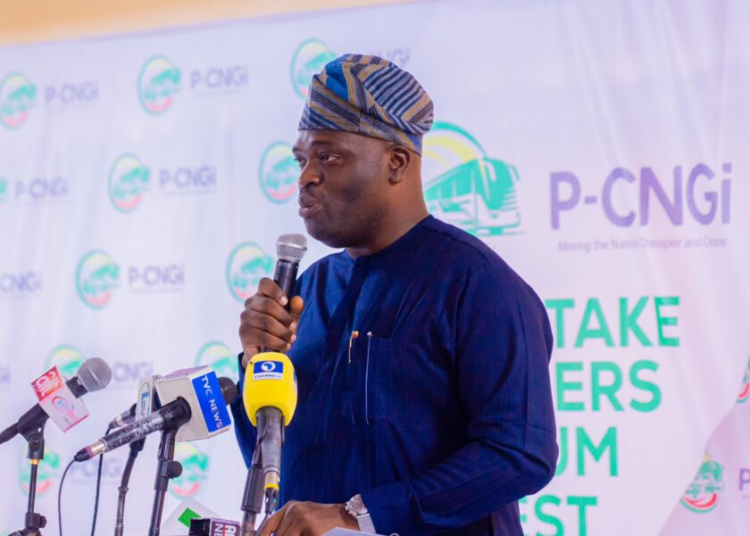
The cost of compressed natural gas (CNG) in Nigeria has surged dramatically, sparking mixed reactions among motorists and transport operators. A standard cubic metre (SCM) of CNG, which previously sold for N230, now goes for as high as N450 following a recent price review. The increase, attributed to subsidy cuts by the government, has raised questions over the future of CNG as a viable alternative to petrol and diesel.
Retailers confirmed that the new directive came from the Federal Government through the Nigerian National Petroleum Company Gas Marketing Limited (NGML). While truck operators are compelled to pay the full N450/SCM, commercial vehicle drivers and private car owners still enjoy partial subsidies, paying N380/SCM. This pricing system, however, has left many motorists frustrated, especially as refueling stations remain few and congested.
Osun PDP Cautions Police Against Partisanship Ahead Of 2026 Elections
CNG: A Subsidised Alternative Facing Challenges
According to an official of the Presidential Compressed Natural Gas Initiative (PCNGI), who spoke anonymously, the price structure is deliberate. He explained that commercial vehicles benefit from subsidies to prevent a hike in transportation costs that could further worsen inflation. “The price depends on the type of vehicle. Trucks transporting goods pay higher prices, while commercial cars and buses enjoy subsidies,” he said.
However, the official admitted that the situation is far from ideal. Long queues stretching up to 1.5 kilometres at some stations have discouraged many motorists. For drivers who invested up to N1.5 million to convert their petrol-powered vehicles to CNG, the situation is becoming increasingly frustrating. “Some have converted their cars but are forced to return to petrol due to scarcity of gas at refuelling stations,” he added.
Industry insiders confirm that the federal subsidy on CNG may be gradually phased out. A major retailer revealed that NGML had kept prices artificially low since 2023 to attract users, but rising operational costs mean future adjustments are inevitable. “We may see CNG selling between N500 and N600 per SCM soon. The government has been subsidising it, but to sustain investments, prices will likely increase further,” the retailer disclosed.
Government Push for Expansion
Despite the recent hike, the government insists it is committed to deepening CNG adoption nationwide. PCNGI Programme Director Michael Oluwagbemi, who has been at the forefront of the campaign, recently highlighted the progress made. He noted that in just over a year, the number of CNG-powered vehicles rose from under 4,000 to nearly 100,000.
The initiative has also expanded infrastructure significantly. From only seven conversion centres in 2023, the country now boasts 265, with 60 refuelling stations already operational and 175 more in development. Oluwagbemi said the expansion had created over 10,000 jobs and reaffirmed the government’s commitment to making CNG widely available.
“Our major drive right now is to increase the number of stations across the country so that no vehicle owner feels stranded. We are scaling up to ensure availability,” a PCNGI official stressed.
Still, implementation has been met with skepticism. For many motorists, the promise of cheaper fuel is being undermined by scarcity and inconsistent pricing. Ride-hailing driver Adeyemi Paul expressed disappointment: “When you spend hours in a queue and still pay almost as much as petrol, it’s not worth it. The government needs to fix availability before promoting CNG as a real alternative.”
A Balancing Act Between Affordability and Sustainability
The fuel subsidy removal in 2023 was a defining moment for Nigeria’s economy. With petrol prices skyrocketing from N175 to N870 per litre, the government aggressively marketed CNG as a cheaper alternative. Incentives were provided for vehicle conversions, and investments in refuelling stations were fast-tracked.
However, the latest price hikes are testing public confidence. Analysts warn that without sustained subsidies, CNG may lose its competitive edge. “CNG adoption depends heavily on price stability. If costs approach petrol levels, motorists will reconsider whether the switch was worthwhile,” one energy analyst observed.
The government, meanwhile, maintains that CNG remains the future of transport fuel in Nigeria. By expanding infrastructure and gradually attracting private investors, officials argue that the market will stabilise in the long term. For now, however, the reality on the ground is a mix of enthusiasm, frustration, and uncertainty.
The rise in CNG prices from N230 to N450/SCM marks a turning point in Nigeria’s push for alternative energy. While the government insists on long-term benefits and infrastructural expansion, motorists remain concerned about affordability, availability, and long queues. As subsidies are gradually phased out, the challenge for policymakers will be to balance sustainability with affordability—ensuring that CNG remains a truly viable alternative rather than another expensive burden.















Leave a Comment
Your email address will not be published. Required fields are marked with *