
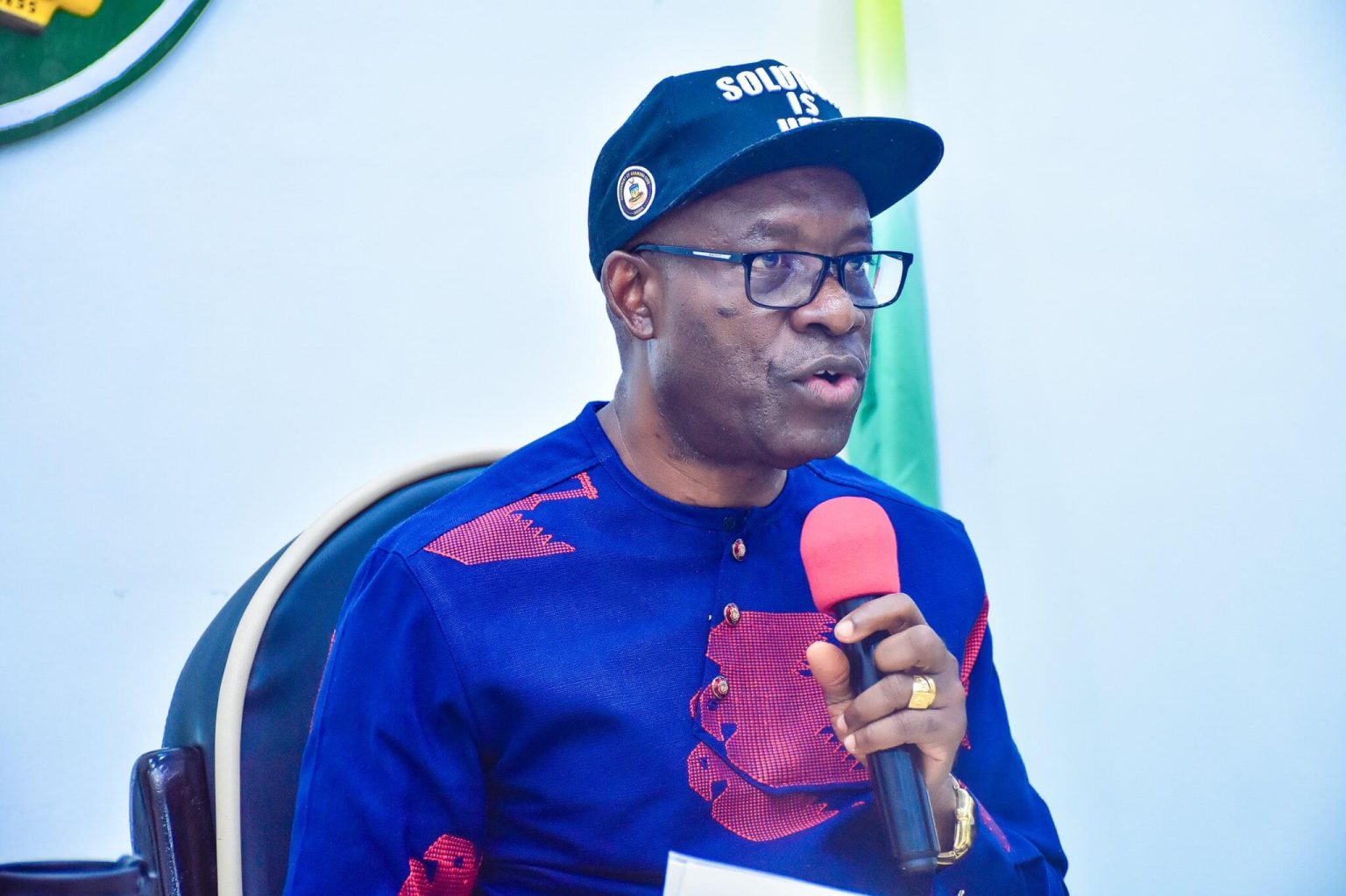
Governor Soludo Accuses Politicians of Plotting to Manipulate Upcoming Anambra Election Governor Charles Soludo of Anambra State has raised serious concerns about attempts by some politicians in the state to manipulate the results of the upcoming gubernatorial election scheduled for next month. Speaking during a panel discussion in Abuja on Monday, the governor alleged
Governor Soludo Accuses Politicians of Plotting to Manipulate Upcoming Anambra Election
Governor Charles Soludo of Anambra State has raised serious concerns about attempts by some politicians in the state to manipulate the results of the upcoming gubernatorial election scheduled for next month. Speaking during a panel discussion in Abuja on Monday, the governor alleged that certain desperate politicians are “now sleeping in the offices of the Independent National Electoral Commission (INEC),” attempting to influence officials and compromise the integrity of the electoral process.
The event, themed “Innovation in Electoral Technology 2015–2025,” brought together key stakeholders in Nigeria’s electoral and governance sectors to assess the progress and challenges of electoral reforms over the past decade. Soludo, a respected economist and former governor of the Central Bank of Nigeria, used the platform to call for greater political discipline, institutional independence, and civic responsibility in Nigeria’s democracy.
Oyo State Records 272 Fire Incidents In Nine Months, Fire Service Warns Of Rising Risks
Politicians Undermining Electoral Integrity
Governor Soludo lamented that despite advances in electoral technology and reforms by INEC, a section of the political class still believes in manipulating the process rather than earning genuine votes from the people. He disclosed that intelligence reports indicate that some politicians in Anambra have been lobbying or pressuring electoral officials in a bid to tilt the forthcoming election in their favor.
“Some politicians are sleeping in INEC, you know,” Soludo said. “They don’t believe that people can just cast their votes, you’ll count it, and announce the results. No, there must be some wayo, some wuruwuru here and there.”
He described this as a deeply ingrained problem in Nigeria’s political culture, where some politicians continue to view elections as contests of manipulation rather than democratic competition. “Politicians need to do a lot more,” he continued. “This Nigerian factor, where we believe that nothing can happen without some wuruwuru or some wayo in it, is dangerous for our democracy.”
Call for Political and Institutional Reforms
Soludo, who came into office in 2022 under the All Progressives Grand Alliance (APGA), stressed that Nigeria’s democracy can only mature when politicians demonstrate integrity and respect for the rules. According to him, the problem is not just with the electoral commission or technology but with the mindset of politicians who are unwilling to accept defeat or respect due process.
“Should we now, because of what happened in a particular polling unit, say that the entire election was terrible? No,” Soludo said. “We all need to work on it. Politicians, the electoral body, the judiciary, and even the voters have roles to play.”
He noted that while INEC has made commendable progress in improving the transparency of elections through the introduction of innovations like the Bimodal Voter Accreditation System (BVAS) and electronic result transmission, the persistence of unethical political behavior remains a major obstacle to credible polls.
Experience from Both Sides of the System
Soludo reflected on his unique perspective as someone who has worked both within and outside the political system. Having served as an economic technocrat and later as a state governor, he said he has seen “the good, the bad, and the ugly” of Nigeria’s political culture.
“I’ve had the privilege of being on the other side — having to design systems and now being in the field of politics,” he said. “The difference between then and now is like the difference between day and night. We have made progress, but we still have a long way to go.”
He emphasized that while technology has minimized some forms of electoral malpractice, human interference remains the biggest threat. According to him, politicians who lack faith in the process tend to resort to underhanded tactics, including bribing electoral officials, falsifying voter data, and manipulating result collation.
Appeal for Trust in Electoral Technology
The governor also called on political actors to trust the innovations introduced by INEC rather than seeking to compromise them. He argued that the success of any democratic system depends on the collective belief in its fairness and transparency.
“We must move beyond this mentality of manipulation,” Soludo said. “Technology has changed the game, and we must allow it to work. If we do not believe in the system, then no amount of innovation can deliver credible elections.”
He urged INEC officials to resist political pressure and maintain neutrality, stressing that the electoral body’s credibility is crucial to sustaining public confidence in Nigeria’s democracy. “The independence of INEC must not only be guaranteed in law but also in practice,” he said.
Broader Implications for Nigerian Democracy
Soludo’s warning comes at a critical time as Anambra prepares for what is expected to be a highly competitive election. With multiple political parties and powerful interests involved, fears of electoral malpractice and violence have already begun to surface.
Analysts believe the governor’s comments reflect a broader concern about Nigeria’s electoral system, where political desperation often undermines democratic principles. Despite the legal and institutional reforms achieved in recent years, allegations of vote-buying, ballot manipulation, and result falsification continue to plague elections at various levels.
Building a Culture of Accountability
Soludo concluded his remarks by urging Nigerians to collectively work toward building a culture of accountability, transparency, and respect for the rule of law. He argued that until political actors learn to accept the will of the people and operate within the framework of fairness, electoral reforms will remain incomplete.
“We have a lot of work to do,” he emphasized. “The people must believe in their votes, politicians must respect the rules, and institutions must defend democracy without fear or favor. That is how we will build a Nigeria where elections truly reflect the will of the people.”
Conclusion
Governor Charles Soludo’s allegations have drawn attention to the persistent challenges facing Nigeria’s democratic process, especially the struggle between technological progress and entrenched political manipulation. His remarks serve as both a warning and a call to action for politicians, electoral officials, and citizens to protect the integrity of elections.
As the Anambra gubernatorial election approaches, the governor’s revelations have sparked discussions about the credibility of the upcoming polls and the need for vigilance. Soludo’s message is clear: Nigeria must move beyond the culture of wayo and wuruwuru and embrace a democracy built on transparency, trust, and true representation of the people’s will.











Leave a Comment
Your email address will not be published. Required fields are marked with *