
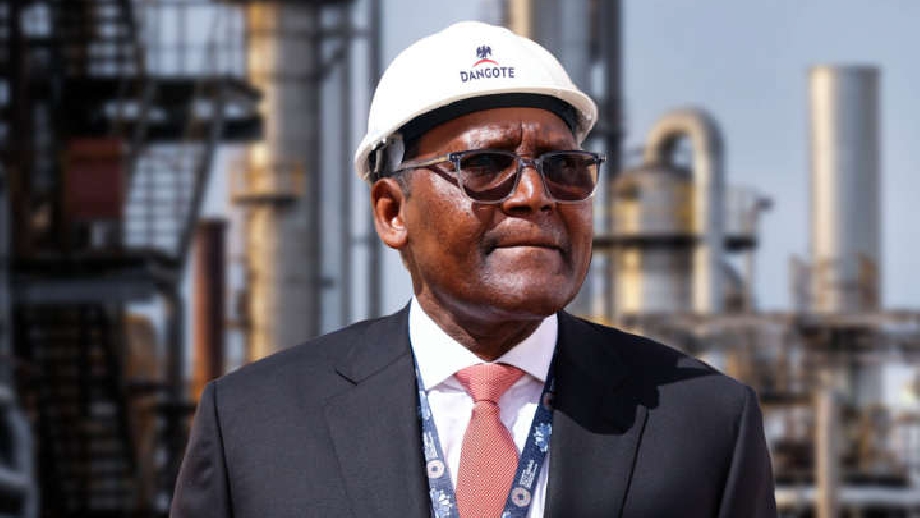
Nigeria’s foremost industrialist, Aliko Dangote, on Thursday announced the launch of a landmark N100 billion annual education fund, a bold intervention designed to transform learning outcomes for more than 1.3 million students and teachers across the country. The initiative, which will run for an initial period of 10 years, is expected to inject well
Nigeria’s foremost industrialist, Aliko Dangote, on Thursday announced the launch of a landmark N100 billion annual education fund, a bold intervention designed to transform learning outcomes for more than 1.3 million students and teachers across the country. The initiative, which will run for an initial period of 10 years, is expected to inject well over N1 trillion into Nigeria’s education sector—making it the largest private-sector education support programme in national history.
The ambitious scheme is spearheaded by the Aliko Dangote Foundation (ADF), which Dangote said will now receive 25 per cent of his personal wealth as a standing commitment to drive long-term social development. According to Africa’s richest man, the decision reflects his belief that meaningful national growth must be anchored on investments in human capital, especially education.
Comprehensive Profile Of Nigeria’s First Lady: Senator Oluremi Tinubu
Speaking at the unveiling ceremony in Abuja, Dangote described the programme as a “generational intervention” aimed at reversing decades of decline in Nigeria’s educational infrastructure, teacher capacity, and student performance. He noted that despite the efforts of government at all levels, the system remains severely underfunded, overstretched, and in urgent need of strategic private-sector support.
“Education is the foundation of every thriving society,” Dangote said. “If we want to compete globally in science, technology, manufacturing, and innovation, we must build an education system that empowers our children and equips our teachers. This fund is my contribution to securing Nigeria’s future.”
What the Fund Will Cover
The N100 billion yearly support package is structured to address four major problem areas in Nigeria’s education sector: infrastructure gaps, teacher training, access to learning resources, and special intervention support for underserved communities.
- School Infrastructure Renewal:
ADF plans to rehabilitate or construct hundreds of classrooms, libraries, science laboratories, and ICT hubs in selected schools across the six geopolitical zones. Priority will be given to rural and low-income communities, where dilapidated buildings and lack of facilities continue to hinder learning. - Teacher Development and Incentives:
Part of the fund will sponsor large-scale teacher training programmes, including in-service certification, digital skills development, and subject-matter enhancement in STEM fields. A rewards-based incentive scheme will also be introduced to motivate outstanding teachers. - Learning Materials and Scholarships:
Millions of textbooks, digital devices, and learning aids will be distributed annually. Additionally, the foundation will offer scholarships to bright students from disadvantaged backgrounds, covering tuition, examination fees, and academic support. - Special Interventions:
The initiative will implement tailored programmes for girls’ education, children living with disabilities, and crisis-affected communities—particularly in the northern states plagued by insecurity.
Government, Stakeholders Welcome Initiative
The launch ceremony was attended by senior government officials, state governors, education-sector experts, and civil society organisations. President Bola Ahmed Tinubu, represented at the event by the Minister of Education, commended Dangote for what he called “a historic act of patriotism that aligns with the administration’s Renewed Hope Agenda.”
According to the Minister, the government’s recent reforms—such as the reactivation of the National Education Fund and introduction of new skills-focused curricula—require strong private-sector backing to achieve nationwide impact. “With Dangote’s intervention, the burden is shared, and the future looks brighter,” he said.
State governors described the initiative as timely, noting that many states face funding shortfalls that have left thousands of schools struggling with inadequate facilities and overstretched teaching staff. Advocacy groups also praised the foundation for prioritising sustainability by setting a 10-year target instead of one-off donations.
A Shift Toward Sustainable Philanthropy
Analysts say the scale of Dangote’s commitment signals a shift in Nigerian philanthropy—from episodic charity to structured, long-term development financing. By dedicating a quarter of his personal wealth to ADF, Dangote is institutionalising a model similar to global philanthropic structures established by figures such as Bill Gates and Warren Buffett.
Economic experts note that the multi-billion-naira annual injection into education could also stimulate local economies through construction contracts, teacher trainings, procurement of classroom materials, and deployment of digital tools.
“This is not just philanthropy; it is economic development,” said Professor Bashir Sulaiman, an economist at the University of Lagos. “Education improvements will raise productivity, reduce poverty, and strengthen Nigeria’s competitiveness over the next decade.”
A Lifeline for Nigeria’s Ailing Schools
Nigeria currently has more than 20 million out-of-school children, one of the highest figures globally. Many public schools face shortages of teachers, outdated curricula, overcrowded classrooms, and limited teaching materials. Stakeholders have repeatedly warned that without urgent, large-scale reforms, the nation risks a widening learning gap that could undermine future generations.
Dangote said his foundation will work closely with federal and state authorities to ensure transparency and targeted impact. A comprehensive baseline survey will be conducted to identify priority schools and communities.
“Our aim is simple,” Dangote concluded. “To give every Nigerian child a fair chance at quality education—regardless of where they are born.”
The announcement marks a significant milestone in Nigeria’s quest to rebuild its education system, offering renewed hope to millions of students and teachers eagerly awaiting meaningful change.














Leave a Comment
Your email address will not be published. Required fields are marked with *