
NNPCL Reduces Petrol Price in Abuja to ₦935 as Dangote Refinery Triggers Market Adjustment In a move that signals a shift in Nigeria’s fuel pricing dynamics, the Nigerian National Petroleum Company Limited (NNPCL) has reduced the pump price of Premium Motor Spirit (PMS), commonly known as petrol, at its retail outlets in the Federal Capital
NNPCL Reduces Petrol Price in Abuja to ₦935 as Dangote Refinery Triggers Market Adjustment
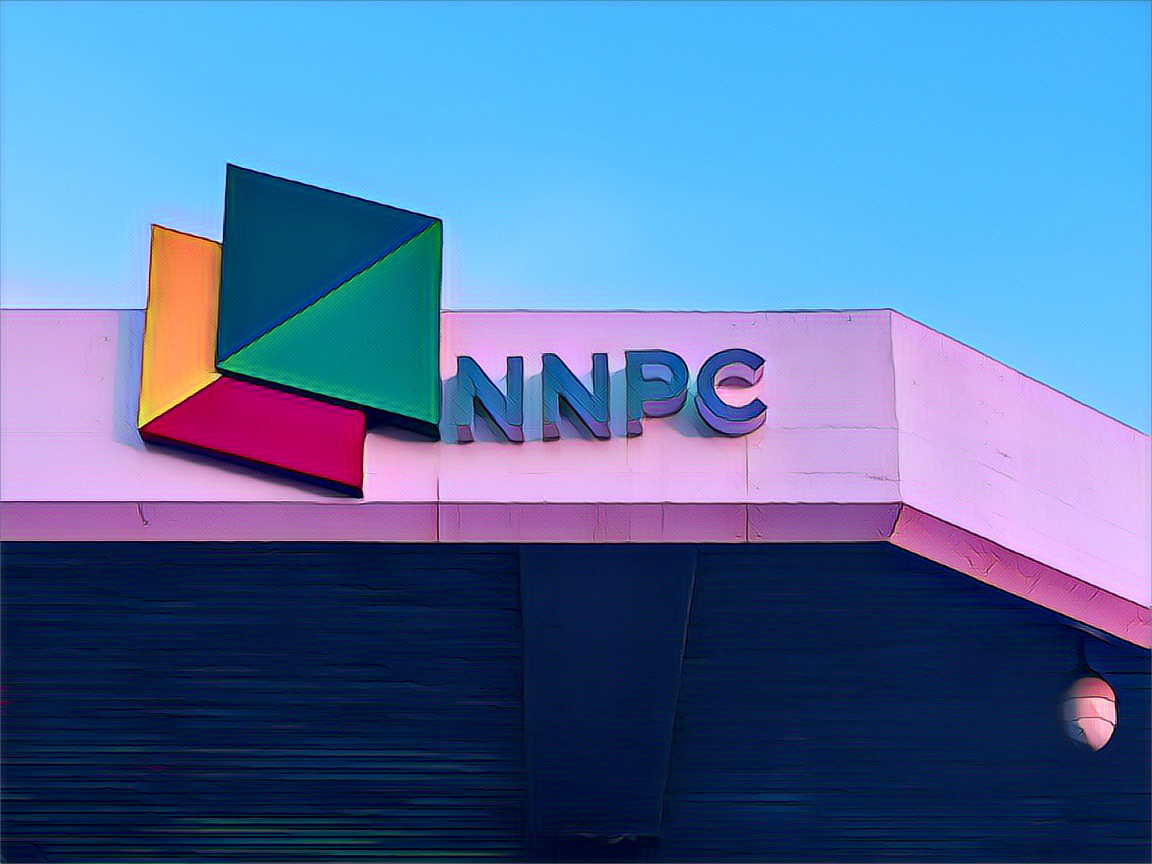
In a move that signals a shift in Nigeria’s fuel pricing dynamics, the Nigerian National Petroleum Company Limited (NNPCL) has reduced the pump price of Premium Motor Spirit (PMS), commonly known as petrol, at its retail outlets in the Federal Capital Territory (FCT), Abuja. The new price adjustment brings the cost of petrol down from ₦950 per litre to ₦935 per litre.
The decision appears to follow recent market activities by Dangote Refinery, which announced a significant slash in its ex-depot price—setting off a ripple effect that may gradually redefine Nigeria’s fuel market structure.
Buba Galadima Declares Buhari ‘Politically Irrelevant,’ Calls for Exit from Public Life
Petrol Price Cut: NNPCL Responds to Competitive Pressure
Reports from DAILY POST indicate that motorists in various parts of Abuja have started noticing the new pump price across NNPCL-owned filling stations. Abdullahi Hashim, a resident of Kubwa, confirmed the change, saying he first noticed the price drop at a filling station along Wuse Zone 4 on Friday, April 18, and later at the NNPCL station along the Kubwa Expressway on Saturday morning.
“I observed the drop in the fuel price to ₦935 per litre on Saturday morning. It is a welcome development,” Hashim said.
The price review is seen as a reaction to Dangote Refinery’s announcement earlier in the week that it had reduced its ex-depot petrol price from ₦865 to ₦835 per litre. This strategic cut by the 650,000 barrels per day capacity refinery is aimed at encouraging downstream retailers to sell petrol to consumers at more affordable rates.
According to Dangote Refinery, its major distribution partners, including MRS and AP filling stations, are expected to retail petrol at prices ranging between ₦890 and ₦920 per litre—depending on location and logistical factors.
Abuja Fuel Market Reacts Slowly to Refinery Shift
Despite Dangote Refinery’s price reduction, MRS filling stations in Abuja have yet to resume petrol sales, DAILY POST noted. These outlets have reportedly not dispensed PMS since Wednesday, April 16, the same day the refinery announced the cut in its ex-depot price. This has led to speculation among consumers about whether private retailers are hesitating to pass the savings down to the public.
Retailers are expected to react in phases, given the logistical processes required to reflect new pricing. However, NNPCL’s swift response is a signal that the state-owned oil company may be repositioning itself to remain competitive in a fast-changing market landscape—especially as domestic refining gains momentum.
Dangote Refinery’s Influence Reshaping Pricing Dynamics
The Dangote Refinery’s move is being interpreted as part of its broader strategy to disrupt the Nigerian fuel market. As the country’s most ambitious refining project to date, its ability to supply petrol at competitive rates could place significant pricing pressure on import-dependent marketers and even the NNPCL.
Until recently, Nigeria relied heavily on fuel imports, which made local prices vulnerable to global crude oil fluctuations and foreign exchange volatility. The Dangote Refinery—by providing domestically refined fuel—is poised to help stabilize prices and reduce Nigeria’s reliance on international markets.
Industry analysts suggest that the recent developments could mark the beginning of a gradual drop in petrol prices nationwide if other major marketers follow suit. However, some also caution that pricing inconsistencies may persist for some time due to the varying operating costs and profit margins across different regions and retailers.
Consumers Cautiously Optimistic
For many Nigerians, particularly in the FCT, the NNPCL’s decision is a welcome relief in a climate of rising living costs. With inflation continuing to affect the prices of essential goods and services, any downward revision in petrol prices offers not just savings at the pump, but potential reductions in transportation and logistics expenses.
However, many consumers remain skeptical about how long the current price drop will last, and whether other marketers will follow NNPCL’s lead in a timely manner.
The next few weeks will be crucial in determining whether this price cut will translate into a more stable and competitive fuel pricing regime across the country. As market players adjust to Dangote Refinery’s presence, the long-term benefits may only become fully evident with consistent supply, fair pricing, and transparent regulation.




















Leave a Comment
Your email address will not be published. Required fields are marked with *