
Marketers Lament Losses as NNPC Slashes Petrol Prices Amidst Dangote Refinery Competition Petroleum marketers across Nigeria are expressing growing concerns over financial losses following the recent reduction in the pump price of Premium Motor Spirit (PMS), also known as petrol, by the Nigerian National Petroleum Company Limited (NNPC). The price cuts, implemented at NNPC retail
Marketers Lament Losses as NNPC Slashes Petrol Prices Amidst Dangote Refinery Competition
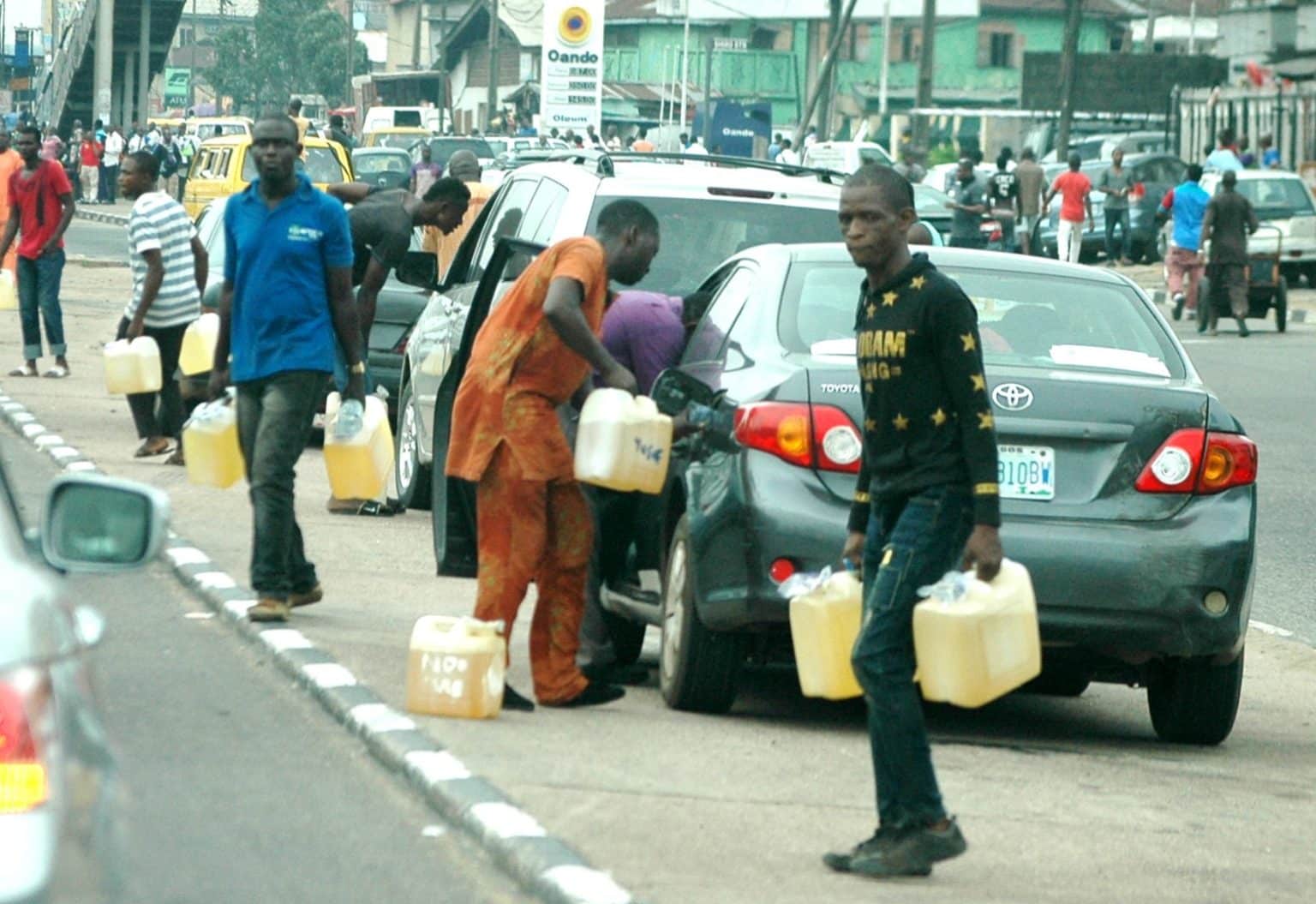 Petroleum marketers across Nigeria are expressing growing concerns over financial losses following the recent reduction in the pump price of Premium Motor Spirit (PMS), also known as petrol, by the Nigerian National Petroleum Company Limited (NNPC). The price cuts, implemented at NNPC retail outlets, came shortly after Dangote Refinery reduced its ex-depot rates, sparking a fresh round of competitive pricing in the downstream sector.
On Easter Monday, NNPC adjusted the price of PMS in Lagos from ₦925 to ₦880 per litre and in Abuja from ₦950 to ₦935. This move came on the heels of Dangote Refinery’s decision to lower its ex-depot price from ₦865 to ₦835 per litre. Dangote also directed its distribution partners—including MRS, Heyden, and Ardova—to align their pricing structures accordingly, setting retail rates at ₦890 per litre in Lagos, ₦900 in the South West, ₦910 in the South-South, and ₦920 in the North East.
However, the new NNPC price in Lagos—₦880 per litre—is now ₦10 lower than Dangote’s ex-depot rate, intensifying the already fierce competition between the two major players in Nigeria’s fuel market.
Business Losses Bite as Price War Begins
The letter “B”, representing both business and burden, captures the essence of the turmoil faced by independent marketers. According to Hammed Fashola, National Vice President of the Independent Petroleum Marketers Association of Nigeria (IPMAN), the sudden reduction in prices has come at a steep cost to marketers who had previously stocked fuel at higher prices.
Speaking to The PUNCH, Fashola confirmed the NNPC price reduction and its implications: “It is confirmed that NNPC has reduced PMS prices. It is now ₦880 per litre in Lagos. Some of the outlets have already adjusted, while others still have their old stock and are continuing to sell at the previous rate, such as ₦910.”
This situation has left marketers in a difficult position, as they attempt to balance financial losses with the need to remain competitive. Many stations have no choice but to sell off their existing inventory—purchased at higher prices—before adopting the new, lower rates. This creates a margin squeeze that threatens profitability and sustainability for small and medium-sized operators.
Fashola explained, “The price reduction is a welcome development for the masses, but on the side of marketers, we are losing money. That’s just the truth.”
NNPCL Reduces Petrol Price in Abuja to ₦935 as Dangote Refinery Triggers Market Adjustment
Navigating Deregulation Challenges
The reduction in PMS prices is part of Nigeria’s larger shift toward a deregulated petroleum market, where market forces of demand and supply—rather than government subsidy—determine fuel prices. While this has introduced a level of price flexibility beneficial to consumers, it has also introduced new volatility for marketers.
“Fluctuations in prices are normal in a deregulated environment, but we need some form of stability to plan our operations and finances,” said Fashola.
He noted that marketers are making efforts to mitigate the impact by managing their stock transition carefully. “What we can do is try as much as possible to sell the old stock at a price that will minimize losses, then transition to the new rate when we replenish our stock,” he added.
Industry stakeholders are now keeping a close eye on two key economic indicators—crude oil prices and the exchange rate—which heavily influence domestic fuel prices. When asked about the possibility of petrol prices falling further to ₦800 or even ₦700 per litre, Fashola was cautious.
“Two major factors determine this – crude oil prices and the exchange rate. If crude oil prices fall to $50 per barrel, it would have significant implications for the economy, government revenue, and inflation, so I don’t want to predict that,” he explained.
Outlook Remains Uncertain
As Nigeria continues to navigate the complexities of a deregulated fuel market, marketers are calling for better support mechanisms to reduce their exposure to rapid price changes. The government’s move to encourage competition between NNPC and Dangote Refinery has undoubtedly benefited consumers in the short term. However, without safeguards for operators, the long-term impact could be detrimental to the supply chain’s resilience and capacity.
For now, the average Nigerian enjoys slightly lower petrol prices, but for those behind the pumps, the pressure to stay afloat has never been higher.


















Leave a Comment
Your email address will not be published. Required fields are marked with *