
FG Releases ₦50 Billion to University Unions as Tinubu Reaffirms Commitment to Education In a landmark move aimed at stabilizing Nigeria’s higher education system and fulfilling longstanding demands of academic unions, the federal government has released ₦50 billion to university-based academic and non-academic staff unions. This announcement was made on Wednesday by the Minister of
FG Releases ₦50 Billion to University Unions as Tinubu Reaffirms Commitment to Education
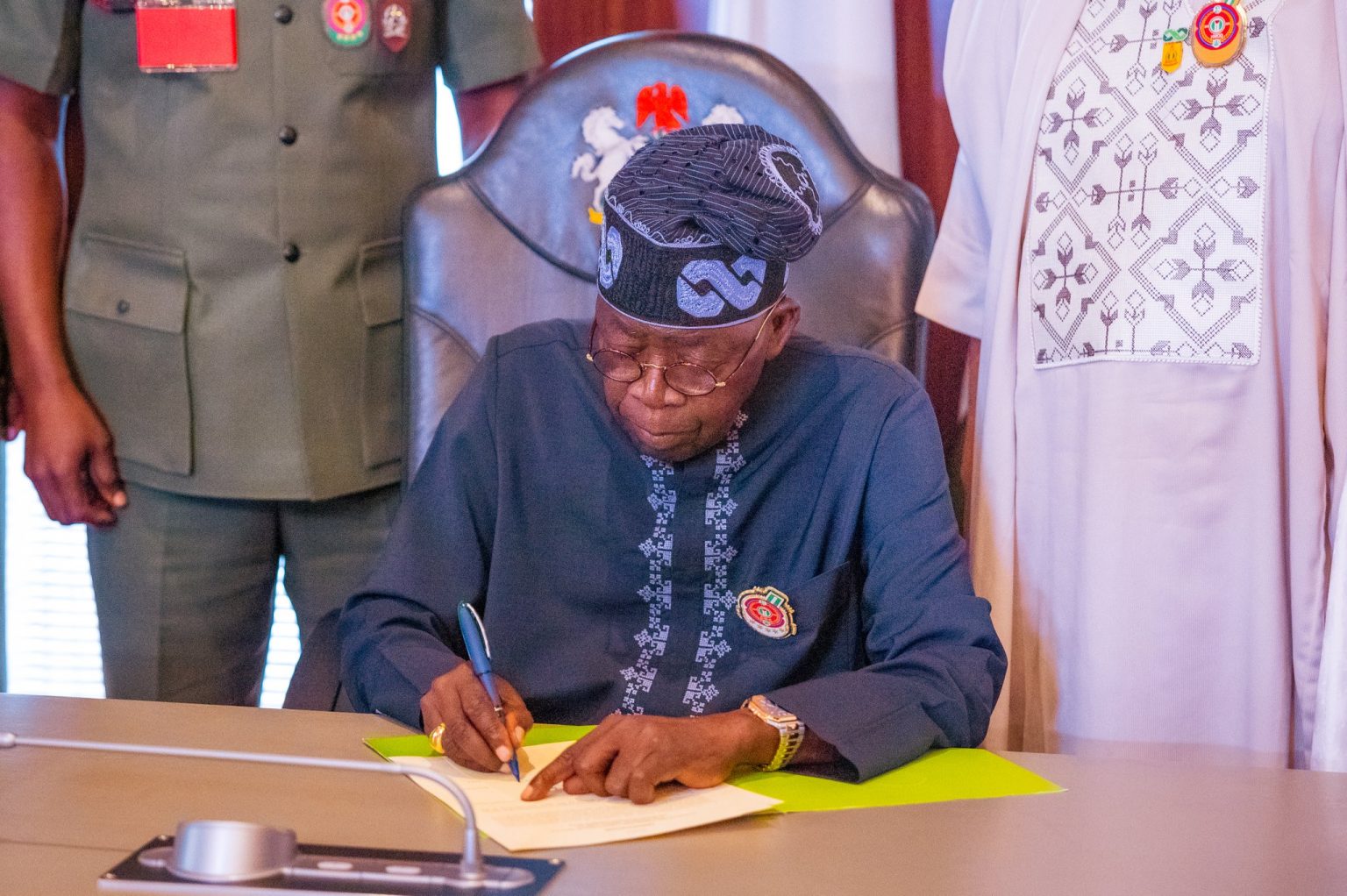
In a landmark move aimed at stabilizing Nigeria’s higher education system and fulfilling longstanding demands of academic unions, the federal government has released ₦50 billion to university-based academic and non-academic staff unions. This announcement was made on Wednesday by the Minister of Education, Dr. Maruf Alausa, through an official statement titled “FG Releases ₦50bn Earned Allowances to Varsity Unions, Tinubu Reaffirms Education Priority.”
The statement, signed by Folasade Boriowo, Director of Press at the Federal Ministry of Education, outlined the government’s intention to improve the welfare of university staff and support uninterrupted academic activities across federal universities. The ₦50 billion intervention is specifically allocated for the settlement of earned allowances—a critical issue that has fueled numerous strikes and disrupted academic calendars over the years.
Governor Bago Backtracks On Dreadlocks Arrest Order After Public Backlash
Strategic Investment in Human Capital
The Federal Government’s latest disbursement, according to Boriowo, “stands as yet another testament to Tinubu’s unwavering commitment to fundamentally transform Nigeria’s education sector.” The Tinubu administration has consistently maintained that education is central to its vision of transitioning the country from a resource-dependent to a knowledge-driven economy.
“This intervention is not just a financial transaction—it is a reaffirmation of our president’s belief in the capacity of Nigerian youth and the invaluable role that academic and non-academic staff play in nurturing them,” Dr. Alausa emphasized. “By prioritizing their welfare, we are laying the foundation for a future where every Nigerian child receives highly qualitative and globally competitive education.”
The government believes that empowering university staff through financial incentives and earned entitlements will boost morale, reduce industrial actions, and foster a culture of excellence in tertiary education.
Fostering Stability in Federal Universities
The release of the ₦50 billion comes at a time when Nigeria is enjoying one of the longest uninterrupted academic sessions in recent history. The statement from the Ministry of Education attributed this remarkable achievement to improved government-union relations and a shared commitment to educational development.
“Notably, the country is currently experiencing one of the longest uninterrupted academic sessions in recent history—a feat attributed to the mutual understanding and shared commitment between the government and the university community,” Boriowo added.
President Bola Tinubu, whose administration inherited a strained relationship between the government and university-based unions such as the Academic Staff Union of Universities (ASUU), the Senior Staff Association of Nigerian Universities (SSANU), and the Non-Academic Staff Union (NASU), has pledged to restore trust and end the cycle of industrial disputes.
Tinubu: “Education is Non-Negotiable”
In his remarks, President Tinubu reaffirmed his personal dedication to youth development and uninterrupted learning in Nigeria’s universities. “The youth are the heartbeat of our country,” he said. “Their future is extremely important to me and my administration. Keeping our children in school is not negotiable. It is my commitment that strikes in our institutions will soon become a thing of the past.”
Tinubu has often emphasized the pivotal role of education in national transformation. His vision includes increased budgetary allocation to the education sector, enhanced learning infrastructure, and digital inclusion for both students and educators.
Dr. Alausa echoed this sentiment during Wednesday’s announcement, noting that the payment of earned allowances is just one of many reforms currently underway. He pointed out that the Tinubu administration is also working on policies that will improve research funding, university autonomy, and international collaborations that can raise Nigeria’s academic profile globally.
Reactions and Expectations from the University Community
While the release of ₦50 billion has been received positively in many quarters, university unions are expected to respond in the coming days with detailed reactions. Historically, the non-payment of earned academic allowances has been a flashpoint in government-union relations, often leading to prolonged strikes that cripple higher education and cause disruptions in students’ academic progression.
Early indications suggest that the gesture could serve as a trust-building milestone, renewing confidence in the government’s willingness to fulfill its promises. However, union leaders and education stakeholders have stressed the importance of sustained action beyond financial settlements, calling for systemic reforms that address broader issues such as infrastructure decay, curriculum modernization, and staff development.
Looking Ahead: Sustaining the Gains in Education
The Tinubu administration has set a precedent with this timely intervention. However, education experts argue that to achieve long-term impact, there must be a consistent framework for addressing union demands, funding research, and upgrading institutional capacity.
As Nigeria works toward becoming a knowledge-based economy, investment in education must go beyond short-term appeasement to strategic, long-lasting reforms. With rising youth populations and growing demands for quality education, the time for decisive, consistent action is now.
The release of the ₦50 billion may mark a turning point—one that signals a new era of cooperation, progress, and stability in Nigeria’s university system.













Leave a Comment
Your email address will not be published. Required fields are marked with *