
IGP Bans Social Media Uniform Posts and VIP Servitude in New Police Conduct Directive In a decisive move to uphold the integrity and professionalism of Nigeria’s police force, the Inspector General of Police (IGP), Kayode Egbetokun, has issued a strict directive prohibiting police personnel from uploading photographs of themselves in uniform on social media platforms.
IGP Bans Social Media Uniform Posts and VIP Servitude in New Police Conduct Directive
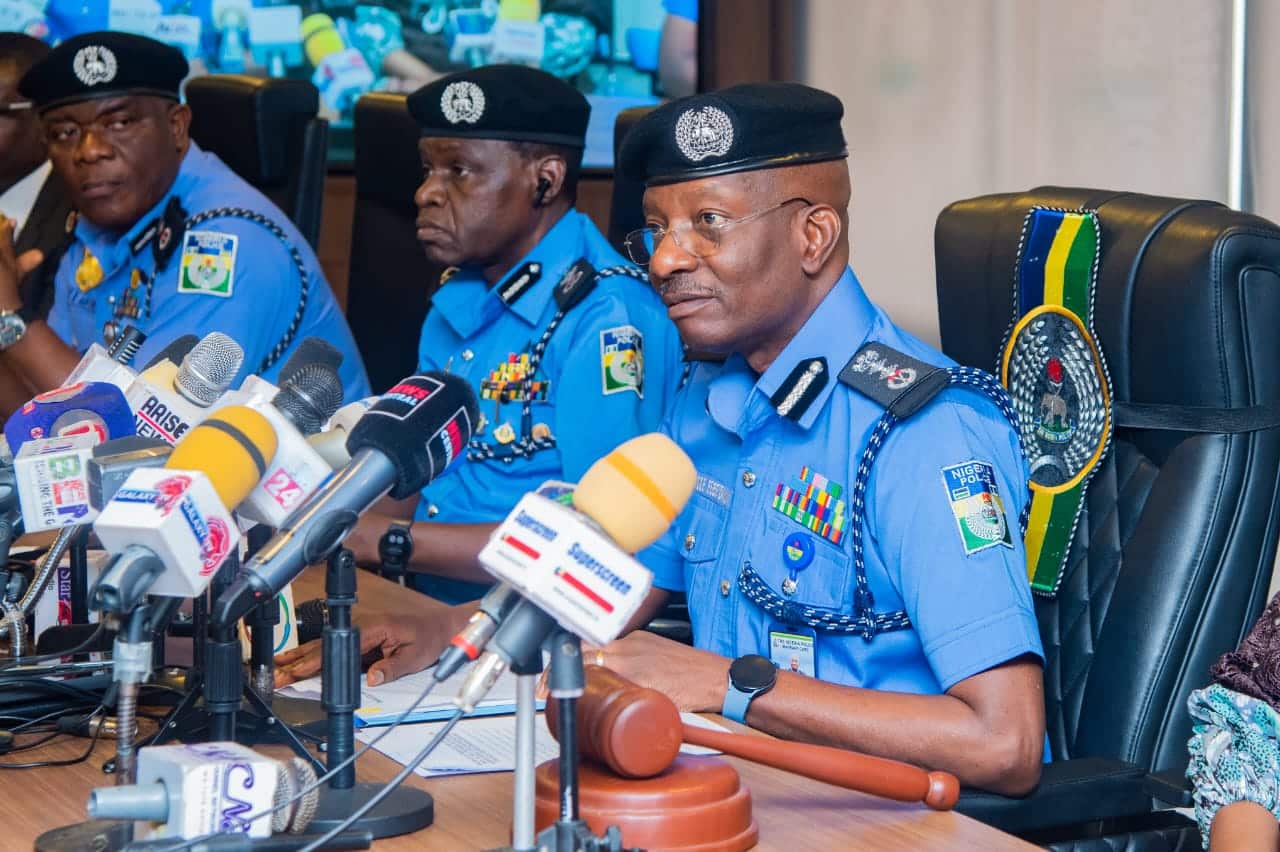
In a decisive move to uphold the integrity and professionalism of Nigeria’s police force, the Inspector General of Police (IGP), Kayode Egbetokun, has issued a strict directive prohibiting police personnel from uploading photographs of themselves in uniform on social media platforms. The directive, part of a broader reform strategy, also bans the online sharing of official police documents and bars officers from engaging in activities deemed servile to Very Important Persons (VIPs), such as carrying luggage or umbrellas.
This internal communication, dated May 3, 2025, and leaked by SaharaReporters, was specifically directed to all personnel of the Police Mobile Force, No. 13PMF Squadron based in Makurdi, Benue State. The memo, signed by the Commanding Officer, ACP Hassan S. Aliyu, reflects growing concern within the police hierarchy about the public image and professionalism of its officers, especially in an age where digital content spreads rapidly.
NLC Demands INEC Withdraw Recognition of Abure-Led Labour Party Leadership
IGP Targets Online Conduct and VIP Subservience
The new directive reflects a shift in focus by the Nigeria Police Force (NPF) toward regulating the online behavior of its personnel while also drawing clear boundaries on the duties of officers attached to high-profile individuals. “The Inspector General of Police has reiterated his warning on NPF Social Media Policy,” the memo read, “and further directs that, on no account, should any police personnel use his or her uniform picture on any social media.”
Furthermore, the directive warns against sharing any official police documents online. In what many are interpreting as a crackdown on what has become a public relations nightmare for the force, the IGP stressed that officers serving with VIPs are expressly forbidden from performing menial tasks that might compromise the dignity of the uniform. “Any disobedience to these directives will be viewed with severe sanction,” the memo concludes.
The new policy is a direct response to growing public dissatisfaction with the behavior of some police officers, particularly those posted to VIP security details. Instances of officers carrying handbags, opening car doors, or shielding politicians with umbrellas have gone viral and sparked widespread criticism, with many Nigerians questioning whether the NPF still serves the public or has become a private escort service for the elite.
Public Scrutiny Forces Institutional Reform
The directive also appears to be damage control following several recent controversies involving police conduct. A particularly damaging incident was a viral video showing Mobile Police (MOPOL) officers, attached to a Chinese mining company, receiving ₦5,000 cash handouts from foreign nationals.
The video, which circulated widely on social media, showed a Chinese man distributing the money to a group of officers, while a woman and a young girl—believed to be members of his family—were also seen giving cash to the policemen. This incident raised alarms about corruption and the undue influence of private interests on national security personnel.
Reactions from the public and civil society were swift and unforgiving. Activists and commentators called for disciplinary action and a broader re-evaluation of how police officers are deployed, particularly in private-sector contexts. The criticism, largely fueled by the spread of the video on digital platforms, reinforced the urgency of revisiting police social media practices.
A Step Toward Rebuilding Public Trust
By addressing both social media behavior and VIP servitude, the IGP’s directive seeks to restore the image of the Nigeria Police Force as a disciplined and public-serving institution. Analysts say the directive is long overdue and could mark the beginning of a cultural reset in how officers see themselves and their responsibilities.
However, the success of the directive will hinge on enforcement. Previous attempts at similar reforms have faltered due to lack of monitoring and inconsistent disciplinary measures. With the public watching closely, the onus is now on the IGP and his command structure to ensure the policy is not only upheld but also translated into visible change.
In a society where digital impressions often shape public perception, the Nigeria Police Force faces the dual challenge of regulating internal behavior while staying accountable to the very public it was created to serve. If implemented effectively, this directive could become a turning point in the long-standing struggle to professionalize the country’s law enforcement.















Leave a Comment
Your email address will not be published. Required fields are marked with *