
Petrol Price Hits ₦925 per Litre in Lagos as Fuel Market Faces New Shake-up The Nigerian National Petroleum Company (NNPC) Limited has once again revised the pump price of petrol upward, pegging it at ₦925 per litre at its retail outlets in Lagos. This marks the second increase within a span of two days, highlighting
Petrol Price Hits ₦925 per Litre in Lagos as Fuel Market Faces New Shake-up

The Nigerian National Petroleum Company (NNPC) Limited has once again revised the pump price of petrol upward, pegging it at ₦925 per litre at its retail outlets in Lagos. This marks the second increase within a span of two days, highlighting ongoing volatility in Nigeria’s fuel market and intensifying economic pressure on already burdened consumers.
According to TheCable, the new price is already in effect at various NNPC stations, including those in Fin Niger, LASU-Iba, and Igando areas of Lagos State. Just two days earlier, the company had raised the price to ₦915 per litre, triggering waves of concern among residents struggling to keep up with escalating living costs.
Price Pressure Persists Amidst Global Crude Volatility
Industry observers link the latest hike to persistent instability in the global crude oil market, a condition worsened by continued conflict in the Middle East. With oil prices fluctuating and supply chains being disrupted, Nigeria’s downstream sector appears caught in a whirlwind of external shocks and domestic inefficiencies.
This pressure is compounded by the ripple effect of new players stepping into the distribution arena. Notably, the Dangote Refinery has revised its own ex-depot petrol price to ₦880 per litre as of June 21, signaling an assertive move into the national market.
The refinery, Africa’s largest, had previously declared plans to begin nationwide distribution of petroleum products. In preparation, it has invested in 4,000 new compressed natural gas (CNG)-powered tankers to reinforce its logistical reach across the country.
This move, while hailed in some quarters as a sign of industrial readiness and innovation, has also raised red flags among existing stakeholders in the fuel marketing space.
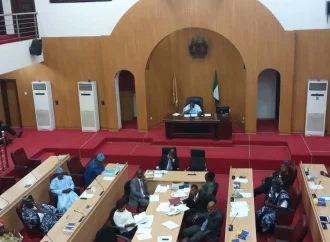
Senate Divided As Michael Odey Confirmed RSIEC Chair Amid Ethnic, Political Tensions
Concerns Mount Over Dangote’s Growing Dominance
The Petroleum Products Retail Outlets Owners Association of Nigeria (PETROAN) has voiced apprehension over what it describes as a looming monopolistic control by the Dangote Group. The group fears that the refinery’s extensive logistics rollout and pricing strategy may push smaller retailers and independent marketers out of the market.
According to PETROAN, the aggressive approach could “consolidate power in one corporate entity,” under the veil of efficiency, thereby stifling fair competition and eliminating consumer choice.
Similarly, the Major Energies Marketers Association of Nigeria (MEMAN) is calling for regulatory clarity from the federal government regarding Dangote’s role in fuel distribution. The association noted that while infrastructural investment is welcome, unchecked dominance may “distort the competitive balance” within Nigeria’s fragile downstream sector.
While the Dangote Refinery’s entrance is widely seen as a long-term strategic gain for national energy independence, the pace and manner of its expansion are triggering uneasy discussions around equity, sustainability, and inclusivity in the sector.
Consumers Face New Reality Amid Structural Shifts
For everyday Nigerians, however, the implications are immediate and painful. With petrol now retailing at ₦925 per litre at NNPC outlets, transportation costs are expected to soar yet again, directly impacting food prices and general inflation.
Small businesses that rely on fuel to operate generators and transport goods are particularly vulnerable. Many fear that unless the government intervenes to cushion the effects or stabilize supply, the cost-of-living crisis could escalate even further in the coming months.
Economists warn that the combination of global oil price instability and emerging domestic monopolies could create a volatile pricing environment, with consumers bearing the brunt. They recommend immediate policy responses to ensure pricing transparency and fair market practices, especially as the country navigates energy transition pathways like CNG adoption.
As Nigerians adjust to the new pump prices and brace for potential ripple effects, the evolving fuel landscape is becoming both a test of resilience for the average citizen and a litmus test for regulatory foresight by government authorities.















Leave a Comment
Your email address will not be published. Required fields are marked with *