
States Push for Reflective Electricity Tariffs Amid Power Sector Tensions In a bold move that could reshape Nigeria’s electricity landscape, commissioners of energy from all 36 states announced their willingness to negotiate new, more reflective electricity tariffs with power distribution companies (Discos). The announcement, made on Wednesday, comes amid rising tensions following the Enugu Electricity
States Push for Reflective Electricity Tariffs Amid Power Sector Tensions
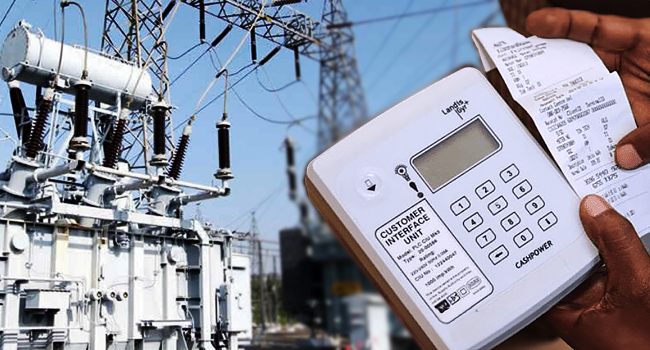
In a bold move that could reshape Nigeria’s electricity landscape, commissioners of energy from all 36 states announced their willingness to negotiate new, more reflective electricity tariffs with power distribution companies (Discos). The announcement, made on Wednesday, comes amid rising tensions following the Enugu Electricity Regulatory Commission’s (EERC) recent decision to cut the Band A electricity tariff from N209/kWh to N160/kWh.
This move, although aimed at easing the burden on consumers, has sparked resistance from power generation and distribution companies, who argue that such unilateral decisions threaten the financial health of the sector.
The Nigerian Electricity Regulatory Commission (NERC) had earlier revealed that seven states—Enugu, Ondo, Ekiti, Imo, Oyo, Edo, and Kogi—are now operating independent electricity markets under the framework of the Electricity Act 2023. More states, including Lagos, Ogun, Niger, and Plateau, are expected to follow suit by September, indicating a wider decentralization of power regulation.
Osun 2026: Governor Ademola Adeleke’s Dwindling Political Capital.
Prince Eka Williams, Chairman of the Forum of Commissioners of Power and Energy and Cross River State’s Commissioner of Power and Renewable Energy, emphasized that state regulators are now empowered to determine tariffs tailored to their unique market realities. “Each state has its peculiar energy ecosystem. What works in Lagos may not apply in Kano or Enugu,” he stated.
While states are open to negotiating with Discos, the Discos themselves are pushing back. Sunday Oduntan, CEO of the Association of Nigerian Electricity Distributors, warned that allowing states to cut tariffs could destabilize the entire power value chain. “If they keep slashing tariffs like this, power supply will deteriorate again. There’s no magic. If funds are short, the system collapses,” he cautioned.
Despite this, the Forum of State Commissioners of Power and Energy dismissed concerns raised by power generation companies. The forum defended Enugu’s decision to lower tariffs, stating it was based on a thorough assessment of the capital and operating costs of MainPower, the local distributor.
According to the forum, the new tariff—N160/kWh for Band A—was not arbitrarily selected but was the result of a meticulous review process. This includes examining customer classifications, regulatory asset base, and operational efficiency, ensuring that the final tariff remains fair and investment-friendly.
States Defend Autonomy, Say Tariff Slash is Evidence-Based
The EERC has reiterated that its decision only applies within Enugu State and does not impact wholesale generation or national transmission tariffs, which remain under the purview of the NERC. The commission’s Commissioner for Electricity Market Operations, Reuben Okoye, explained that the reduction aligns with the need to build a sustainable and consumer-friendly electricity market in the state.
“MainPower’s costs do not justify a Band A rate of N209. After reviewing all relevant data, the commission found no rationale for maintaining such a high tariff,” Okoye stated. He also emphasized that the cost of power delivery from the national grid remains untouched, and all legitimate costs have been factored into the revised pricing structure.
Williams and his counterpart, Omale Omale, FOCPEN Secretary, assured that states were not pursuing unsustainable subsidies but rather advocating for tariffs that are justifiable and fair. They also emphasized that the Electricity Act 2023 provides the legal foundation for their actions, which are aligned with broader national reforms to decentralize power regulation.
Enugu’s tariff review is only one of several initiatives expected as more states assume control of their electricity markets. Lagos, Ondo, and Plateau have already indicated plans to follow a similar path, though not necessarily at the same tariff levels.
While federal authorities continue to champion a unified approach to energy pricing, states appear set on carving their own paths. The result is a complex but potentially transformative negotiation that could redefine how Nigerians access and pay for electricity.
The Need for Dialogue and Flexibility
The debate underscores a broader struggle between decentralization and market stability. With the power sector still grappling with inefficiencies, underinvestment, and unreliable supply, the stakes are high. Experts suggest that any lasting solution must include robust consultation among all stakeholders—states, Discos, Gencos, regulators, and consumers.
Williams concluded that although the current climate is experimental, the long-term goal is a stable, investor-friendly, and consumer-focused electricity market. “We’re not tearing down the system. We’re trying to rebuild it from the grassroots,” he said.
In the meantime, Enugu’s tariff order, which takes effect August 1, may serve as a litmus test for other states contemplating similar action. Whether this decentralization wave will enhance energy access or deepen systemic fractures remains to be seen—but one thing is clear: the electricity debate in Nigeria is far from over.










Leave a Comment
Your email address will not be published. Required fields are marked with *