
Asari-Dokubo Cuts Ties with Yoruba Politicians, Pledges Loyalty to the North In a powerful and emotionally charged video posted to social media on Monday, former Niger Delta militant leader Mujahid Asari-Dokubo announced a dramatic political shift, declaring that he will no longer support Yoruba politicians. The former leader of the defunct Niger Delta People’s
Asari-Dokubo Cuts Ties with Yoruba Politicians, Pledges Loyalty to the North
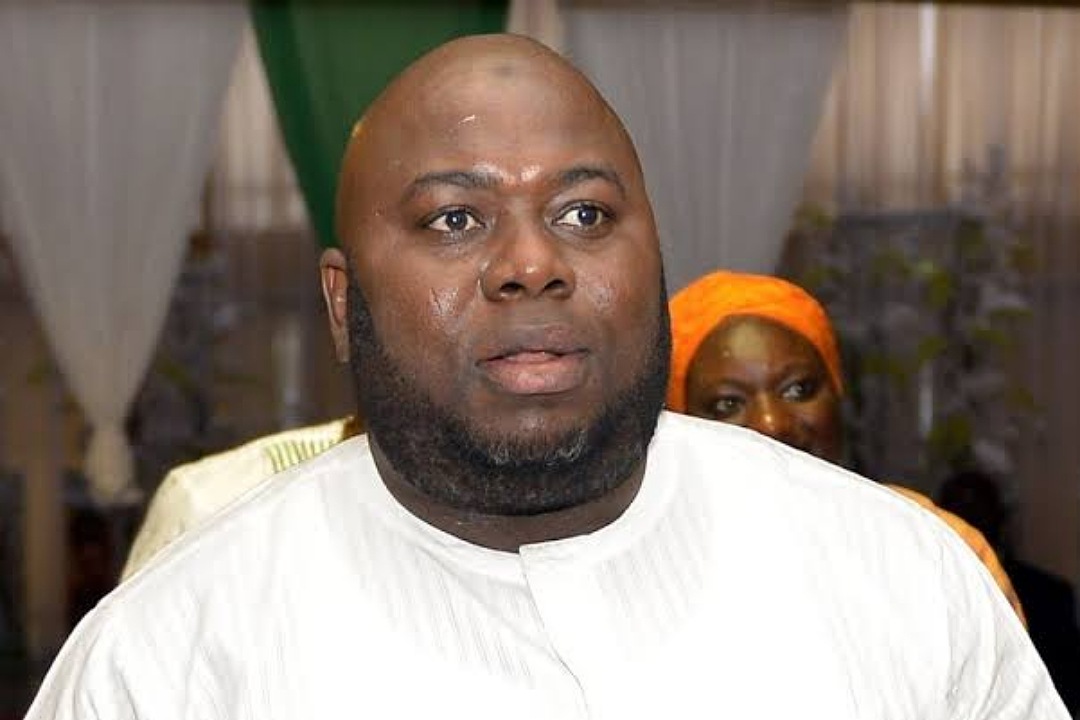
In a powerful and emotionally charged video posted to social media on Monday, former Niger Delta militant leader Mujahid Asari-Dokubo announced a dramatic political shift, declaring that he will no longer support Yoruba politicians. The former leader of the defunct Niger Delta People’s Volunteer Force accused his former allies in the South-West of betrayal and vowed to align himself with Northern politicians going forward.
This development has sent ripples through Nigeria’s political landscape, as Asari-Dokubo has long been regarded as a vocal and influential figure in Southern politics. His disavowal of Yoruba political interests and renewed support for Northern leaders marks a significant change in regional alliances, particularly among the Ijaw people of the Niger Delta.
H2: Asari-Dokubo Turns Away from Yoruba Leaders Over Alleged Betrayal
Asari-Dokubo did not mince words in his declaration. “The Yorubas have betrayed us. After all we did, they turned their backs on us,” he said, referring to years of political cooperation and support offered by the Ijaw community to their Yoruba counterparts. According to him, the sacrifices made for southern unity during key political struggles and elections have not been honored or reciprocated.
Reflecting on these strained ties, he expressed deep regret over the past support given to the South-West and even appeared to walk back years of southern solidarity. “I felt apologetic for our fathers who were not wrong in forming alliances with the North. As young men, we will now continue that same alliance,” he said, suggesting that the elders of the Niger Delta who built bridges with Northern Nigeria may have had better foresight than previously believed.
Asari-Dokubo’s frustrations appear rooted in perceived abandonment during recent political realignments and governance issues. He referenced past electoral battles where the Ijaw stood firmly for southern causes, only to be disappointed by the Yoruba political establishment’s actions or silence. Though he did not mention specific individuals or events, the underlying message was unmistakable—trust has been broken.
Garba Shehu Quashes Rumors Of Rift Between Buhari And Tinubu
“I Will Now Work with the North”
In the latter part of his statement, Asari-Dokubo made his intentions crystal clear. “As of today, I will now work, work, work and form alliance with the North to crush out opposition,” he declared. This vow was more than symbolic—it signals his full pivot toward Northern politicians, whom he praised for their consistency, respect, and political integrity.
He emphasized that Northern leaders had shown him and his people greater loyalty and understanding than the Yoruba political class. According to him, this respect and strategic consistency have earned his support going forward.
While some may view his statements as reactionary or divisive, others see them as a reflection of the ever-evolving nature of Nigerian politics, where regional and ethnic alliances frequently shift based on changing interests and perceived loyalty.
Impact on Niger Delta and National Politics
Asari-Dokubo’s announcement could influence political sentiments in the Niger Delta, especially among youth and activists who still see him as a cultural and regional icon. His endorsement of Northern alliances might not result in a mass political migration, but it could open the door for deeper collaboration between Northern leaders and certain factions in the South-South.
The realignment also raises questions about the future of southern unity, a concept often championed during election cycles. With Nigeria’s 2027 general elections slowly coming into focus, moves like this may influence coalition-building strategies and voter mobilization efforts.
Additionally, the statement might spark a reaction from Yoruba leaders and political stakeholders, especially if the accusations of betrayal gain traction among grassroots movements. While the details of the “betrayal” remain vague, the emotional weight of Asari-Dokubo’s message could resonate among his followers and beyond.
Asari-Dokubo’s political shift from the Yoruba South-West to the Northern political camp represents more than personal dissatisfaction—it highlights the fragility of regional alliances in Nigeria’s complex political landscape. His bold declaration is sure to ignite debate and potentially reshape conversations about loyalty, respect, and political strategy in the run-up to future elections.













Leave a Comment
Your email address will not be published. Required fields are marked with *