
CORAN Says Petrol Could Drop to ₦350/Litre If Crude Falls to $50, But Market Forces Defy Logic As global crude oil prices experience a significant decline, the Crude Oil Refinery Owners Association of Nigeria (CORAN) has projected that the retail price of Premium Motor Spirit (PMS), also known as petrol, could potentially drop to as
CORAN Says Petrol Could Drop to ₦350/Litre If Crude Falls to $50, But Market Forces Defy Logic
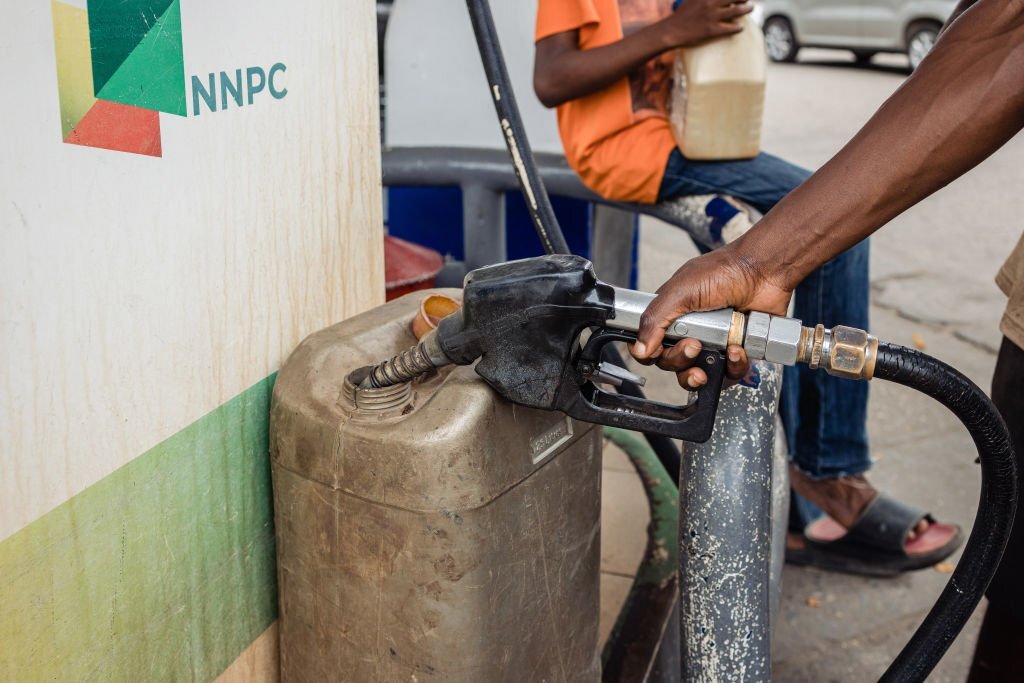 As global crude oil prices experience a significant decline, the Crude Oil Refinery Owners Association of Nigeria (CORAN) has projected that the retail price of Premium Motor Spirit (PMS), also known as petrol, could potentially drop to as low as ₦350 per litre. However, despite the favourable global oil trends, CORAN warns that petrol prices may continue to rise in Nigeria due to domestic challenges, unless the Federal Government sustains its naira-for-crude policy.
Crude Crash Should Cut Costs: CORAN Calls for ₦350 Petrol Price
The recent plunge in global oil prices—triggered by U.S. import tariffs, an accelerated OPEC+ production increase, and retaliatory tariffs from China—has seen Brent crude fall below $65 per barrel for the first time since August 2021. West Texas Intermediate (WTI) also took a hit, dropping 7.4% to $61.99 per barrel. Under normal economic conditions, such a drop in crude prices would reflect positively in reduced landing costs and retail prices for petroleum products.
In Nigeria, however, the opposite appears to be unfolding. Despite a drop in the landing cost of petrol from ₦885 to ₦865, the ex-depot price in Lagos rose to ₦900 per litre, further squeezing consumers. CORAN’s Publicity Secretary, Eche Idoko, said the problem lies not with crude prices, but with systemic issues within Nigeria’s downstream sector, including forex challenges, logistics costs, and the dominance of middlemen in the fuel importation chain.
“The price of petrol could go as low as ₦350 per litre if crude falls to $50 per barrel. But what we see is the price still going up,” said Idoko. “This is simply because of the FX effect, middlemen profiteering, and a refusal to support local refining through policies like naira-for-crude.”
FX, Middlemen and Substandard Imports Driving Prices Up
Idoko lamented that while Nigeria is the largest oil producer in Africa, its citizens are not reaping the benefits. He blamed foreign exchange pressures and logistical hurdles as core contributors to the rising pump prices, stating that even with declining crude prices, refined petrol becomes costlier when middlemen, shipping, and currency conversion come into play.
“These middlemen don’t invest in refining. They connect Nigerian consumers to foreign traders, make their cut, and walk away,” he noted. “It’s like renting a house and paying agency fees—you’re paying more for someone who adds no value.”
According to CORAN, the naira-for-crude policy initiated in October 2024 with Dangote Refinery was showing promise before it was quietly scaled down. Under the deal, NNPC was supposed to deliver 385,000 barrels per day in naira to Dangote, but as of March 2025, it had only managed about 280,000 b/d. The shortfall, CORAN argues, threatens the sustainability of local refining and energy security.
“The naira-for-crude policy was working. Petrol prices dropped from over ₦700 to the ₦600s. We were optimistic it could go even lower. But since it was interrupted, we’ve seen nothing but price hikes,” Idoko said.
Government Urged to Back Local Refiners
As international oil markets remain volatile, CORAN insists that Nigeria’s salvation lies in strengthening its local refining capacity and insulating fuel pricing from global supply chain shocks. Idoko stressed that many local refiners are now seeking crude from other countries just to keep operations going—a move he says defeats the goal of self-reliance and hurts national interest.
He further alleged that some influential individuals are actively sabotaging local refining efforts to protect their own interests tied to fuel importation. “These are people who thrive in chaos. They don’t want local refining to succeed because it threatens their business,” he stated.
CORAN has called on President Bola Tinubu, who also serves as the Minister of Petroleum Resources, to prioritize the continuation of the naira-for-crude initiative. The group maintains that this policy remains one of the most impactful energy strategies the current administration has deployed and could be pivotal in reversing the fuel price crisis if implemented consistently.
In the face of international price reductions and increased domestic refining potential, the continued rise in Nigeria’s petrol prices underscores the urgent need for structural reform in the fuel distribution ecosystem. The question now is whether the government will act swiftly to leverage its crude oil wealth for the benefit of its people—or continue allowing external and internal bottlenecks to dictate local fuel prices.












Leave a Comment
Your email address will not be published. Required fields are marked with *