
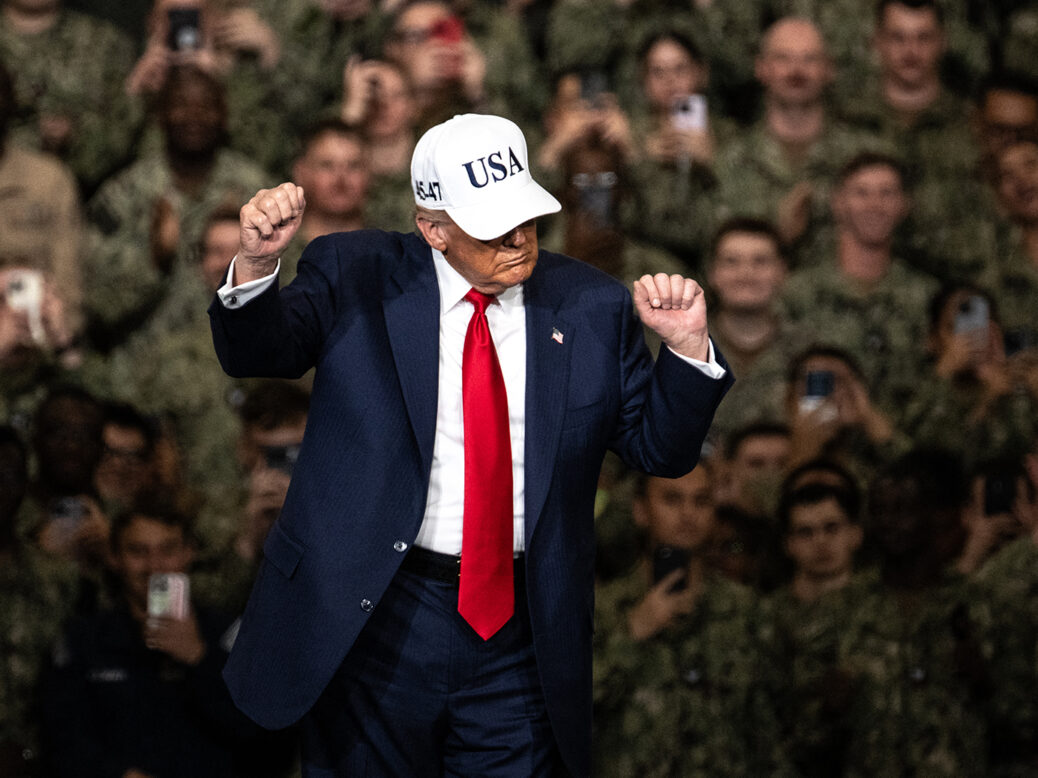
As political tensions intensify across the United States, debate is mounting over the role of the American military in a period marked by polarisation, legal battles, and foreign policy brinkmanship. With President Donald Trump confronting renewed scrutiny and speculation about upcoming elections, analysts are increasingly examining the institutional safeguards that underpin
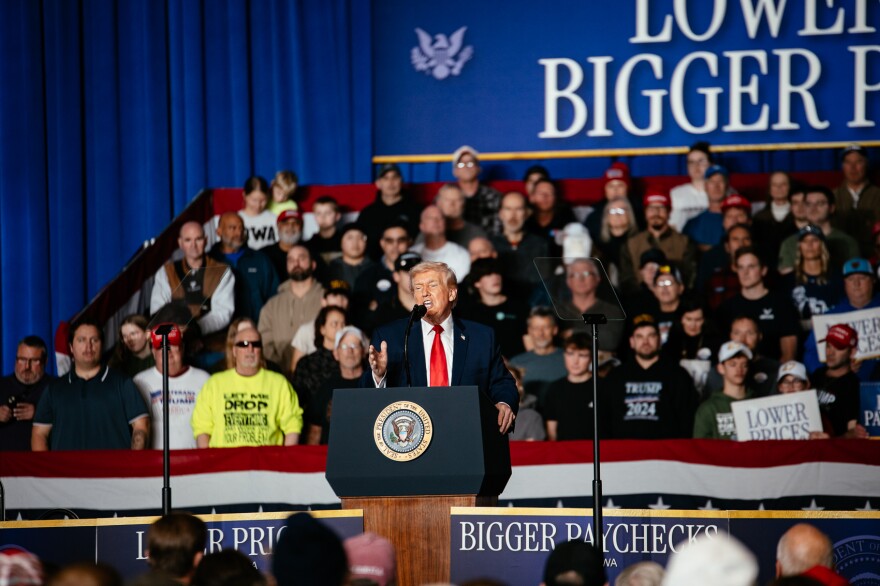
As political tensions intensify across the United States, debate is mounting over the role of the American military in a period marked by polarisation, legal battles, and foreign policy brinkmanship. With President Donald Trump confronting renewed scrutiny and speculation about upcoming elections, analysts are increasingly examining the institutional safeguards that underpin American democracy.
At the center of these discussions lies a fundamental question: what role would the U.S. armed forces play in the event of a contested political outcome?
The United States maintains one of the largest and most sophisticated military establishments in the world, with roughly two million service members when including active-duty personnel, reserves, and the National Guard. Traditionally, this force operates under strict constitutional principles that ensure civilian control while remaining politically neutral.
However, as the country approaches another high-stakes electoral cycle, some commentators argue that the military’s posture and public messaging could shape perceptions of democratic stability.
Political observers note that Trump has consistently framed his legal challenges and electoral setbacks as politically motivated. His defeat in the 2020 election and subsequent prosecutions remain central to his public rhetoric. Supporters see these developments as evidence of partisan targeting, while critics argue that the legal process reflects accountability mechanisms at work.
The concern expressed by some analysts is not that the military would stage an overt intervention, but rather how it might respond in moments of prolonged uncertainty. The Pentagon, headquartered at Pentagon, has historically emphasised adherence to constitutional norms and the peaceful transfer of power.
Experts in civil-military relations underline that the U.S. military’s professional ethos is rooted in nonpartisanship. Senior officers are trained to follow lawful orders while refraining from involvement in electoral disputes. This framework has endured through previous crises, including contested elections and periods of civil unrest.
Yet, the present environment combines domestic political division with heightened international tensions. Discussions of potential military action abroad, including strategic calculations involving Iran, add another layer of complexity.
Some commentators argue that when foreign policy crises intersect with domestic political struggles, the symbolism of military readiness can influence public sentiment. Others counter that the institutional safeguards built into American governance make any misuse of armed forces highly unlikely.
The constitutional design grants Congress authority over funding and oversight of the military, while the judiciary serves as a check on executive power. In addition, the oath taken by service members binds them to defend the Constitution rather than any individual leader.
Despite this framework, the political climate has intensified scrutiny of election administration processes. Allegations about voting systems, recount procedures, and election oversight have circulated widely in recent cycles. Election officials across states have repeatedly affirmed the integrity of certified results, while courts have adjudicated disputes through established legal channels.
The broader debate now centers on resilience. Can democratic institutions withstand sustained pressure from political actors questioning outcomes? And how might public confidence in those institutions be reinforced?
Scholars suggest that transparency, independent oversight, and civic engagement remain critical pillars. They also emphasise that the U.S. military’s credibility depends on its continued distance from partisan narratives.
While speculation about extreme scenarios captures headlines, historical precedent indicates that American armed forces have consistently upheld constitutional order. From post-election transitions to moments of national crisis, civilian leadership has ultimately guided outcomes within legal boundaries.
As the election season approaches, attention will likely focus on campaign rhetoric, legislative battles, and judicial proceedings. The military’s role, meanwhile, remains defined by its constitutional mandate.
Whether the coming months bring political confrontation or routine democratic processes, the strength of American institutions will be measured not by speculation but by their capacity to function within established norms.
For now, the debate underscores a broader reality: in times of heightened division, public trust in democratic frameworks becomes both fragile and indispensable.








Leave a Comment
Your email address will not be published. Required fields are marked with *