
Governor Bago Backtracks on Dreadlocks Arrest Order After Public Backlash Niger State Governor, Umar Bago, has reversed a widely criticized directive instructing security operatives to arrest individuals wearing dreadlocks in Minna, the state capital. The governor’s controversial statement, originally made during a security meeting at the Government House on Tuesday, had sparked a nationwide uproar
Governor Bago Backtracks on Dreadlocks Arrest Order After Public Backlash
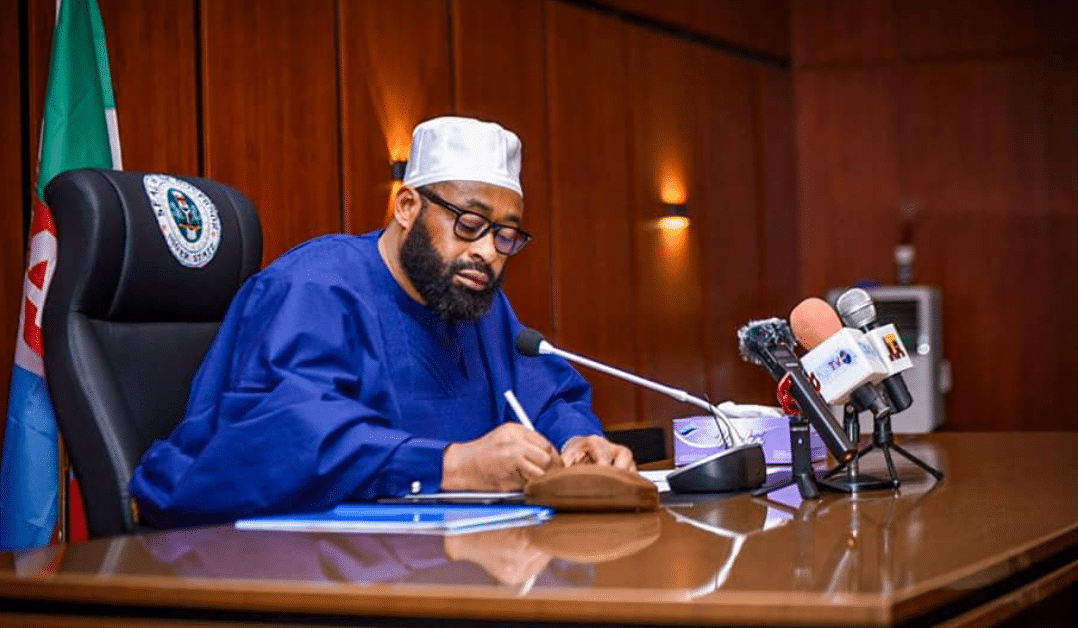
Niger State Governor, Umar Bago, has reversed a widely criticized directive instructing security operatives to arrest individuals wearing dreadlocks in Minna, the state capital. The governor’s controversial statement, originally made during a security meeting at the Government House on Tuesday, had sparked a nationwide uproar over what many perceived as a discriminatory and unconstitutional order.
In the now-viral remarks, Governor Bago ordered: “Anybody that you find with dreadlocks, arrest, barb the hair, and fine the person. Nobody should carry any kind of haircut inside Minna. I have given marching orders to security agencies.” The comments ignited intense backlash across social media platforms and drew condemnation from civil rights activists, legal experts, and concerned citizens.
Ifeanyi Okowa Set To Exit PDP, Cites Constituents’ Interest And National Progress
Public Outcry Forces Reversal
Reacting to the wave of criticism, Governor Bago issued a clarification on Wednesday, effectively walking back his original directive. In a public statement, he insisted that his comments had been misunderstood and that the focus of his remarks was on combating cult-related violence, not on individuals’ personal grooming choices.
“Yesterday we read a riot act on hooliganism and people misunderstood our words for people who have dreadlocks,” the governor said, attempting to reframe his intent. He emphasized that the security clampdown was aimed specifically at curbing cultism in the state, which he claimed had increasingly been associated with certain individuals using dreadlocks as identifiers.
“We don’t have a problem with dreadlocks, but we have a problem with the cult here with dreadlocks,” Bago explained. “So if you have any business and you have dreadlocks, please come to Niger State. All that is media propaganda.”
Condemnation and Constitutional Concerns
The original order was met with sharp criticism from various quarters, with many describing it as an infringement on personal freedoms and a violation of human rights as enshrined in Nigeria’s constitution. Legal practitioners argued that no state governor has the authority to criminalize hairstyles or issue arbitrary fines without legislative backing.
Social media users also rallied against the directive, with hashtags condemning the order trending across platforms. Activists pointed out that targeting individuals based on their appearance, particularly hairstyles commonly worn by Nigerian youths and creatives, feeds into harmful stereotypes and could lead to profiling and abuse by law enforcement officers.
“It’s unacceptable for a governor to criminalize an entire community based on aesthetics,” said one human rights advocate. “Dreadlocks are a cultural and personal expression. The state has no business policing people’s hair.”
Reframing the Security Agenda
Governor Bago’s clarification marks a significant retreat from the aggressive tone of his original remarks. The retraction appears to be an attempt to balance his administration’s security objectives with respect for civil liberties, particularly as the initial statement risked alienating a large segment of the youth population.
While security challenges remain a top concern in Niger State, observers say it is critical for the government to avoid policies that may further marginalize or antagonize law-abiding citizens. Experts have recommended more targeted intelligence-based approaches to tackle cultism and youth crime, rather than blanket profiling measures.
Looking Ahead: Leadership Under Scrutiny
This incident serves as a reminder of the power and responsibility of public officeholders in shaping policies that respect democratic values. Governor Bago’s swift U-turn highlights how public feedback and civic engagement can influence governance and force accountability in real-time.
As Nigeria grapples with security and youth-related challenges, leaders are urged to approach these issues with nuance, fairness, and adherence to constitutional principles. For Governor Bago, the focus now shifts to how effectively his administration can address criminal activity without undermining the rights and dignity of the very citizens he is elected to protect.













Leave a Comment
Your email address will not be published. Required fields are marked with *