
It’s My Pleasure Seeing You In Disarray, One-party State Not Our Plan -Bola Tinubu ABUJA — President Bola Tinubu, during his Democracy Day address to the joint session of the National Assembly on June 12, took a direct swipe at the Peoples Democratic Party (PDP), urging its leadership to resolve its internal disarray rather than
It’s My Pleasure Seeing You In Disarray, One-party State Not Our Plan -Bola Tinubu
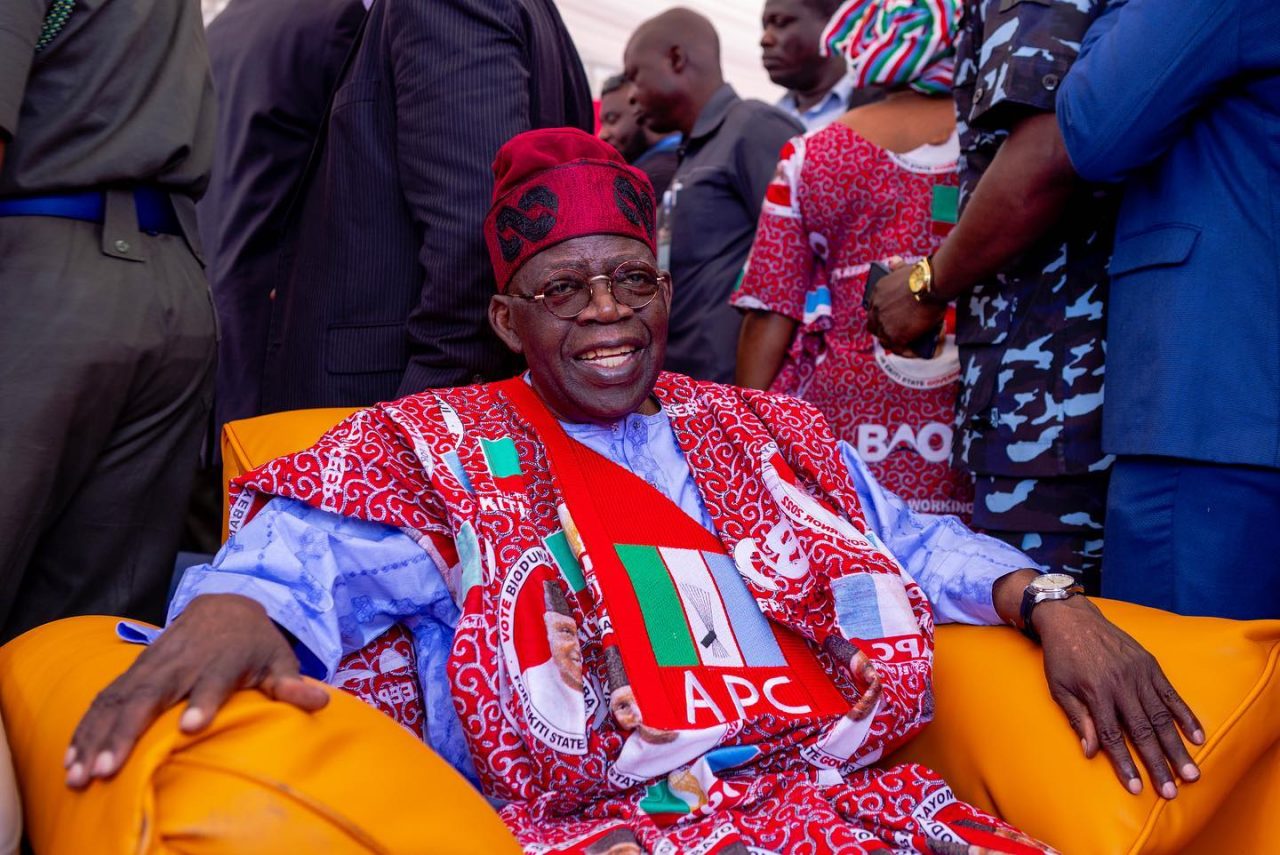
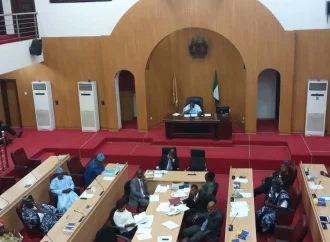
ABUJA — President Bola Tinubu, during his Democracy Day address to the joint session of the National Assembly on June 12, took a direct swipe at the Peoples Democratic Party (PDP), urging its leadership to resolve its internal disarray rather than accusing the ruling All Progressives Congress (APC) of plotting to turn Nigeria into a one-party state.
Tinubu’s remarks came as he marked the 26th anniversary of Nigeria’s return to democracy with a passionate speech that reflected on the country’s political evolution, challenges, and resilience. He also used the platform to honour both living and late heroes of the June 12 struggle, showcasing his administration’s recognition of democratic sacrifices.
Senator Dickson Slams Tinubu’s Silence on Rivers Crisis, Warns Against ‘Military-Style’ Democracy
Tinubu to PDP: Fix Your House, APC Isn’t the Problem
In a bold rebuke to the PDP, Tinubu said, “To those who ring the alarm that the APC is intent on a one-party state, I offer you a most personal promise. While your alarm may be a result of panic, it rings in error.”
He continued, “We cannot blame anybody seeking to bail out of a sinking ship even without a life jacket.” The president urged the opposition to introspect, stating, “Political parties fearful of members leaving may be better served by examining their internal processes.”
Recounting his political battles in 2003, Tinubu reminded lawmakers that he was the last progressive governor standing in the Southwest while others fell to the dominance of the then-ruling PDP. “In all their numbers and false grandeur, they boasted of ruling Nigeria for the next half-century. Where are they now?” he asked rhetorically.
He assured Nigerians that APC had no intention to establish a one-party state and described such efforts as historical failures. “Nigeria will not become such a state now,” he affirmed, adding, “We would be guilty of political malpractice if we closed the door on those from other parties who now seek to join the APC.”
Tinubu welcomed defectors from Delta and Akwa Ibom States, including Governors Sheriff Oborevwori and Pastor Umo Eno, and declared it a testament to the APC’s growing appeal.
Honouring Democracy’s Heroes: June 12 Recognised with National Awards
Highlighting the symbolic weight of June 12, Tinubu conferred national honours on notable figures from Nigeria’s pro-democracy struggle. Among the recipients was Alhaja Kudirat Abiola, posthumously awarded the Commander of the Order of the Federal Republic (CFR), alongside late political icons such as Shehu Musa Yar’Adua, Rear Admiral Ndubuisi Kanu, Beko Ransome-Kuti, Bola Ige, and Ken Saro-Wiwa, who also received full presidential pardons.
Living honourees included Nobel Laureate Prof. Wole Soyinka (GCON), Bishop Matthew Kukah (CON), Femi Falana, SAN (CON), and veteran journalists like Bayo Onanuga (CON), Kunle Ajibade (OON), and Uncle Sam Amuka Pemu, who celebrated his 90th birthday on June 13.
The honours list cut across civil rights activists, legal professionals, journalists, and political figures who stood firm during Nigeria’s darkest days of military dictatorship, offering recognition to both the living and the fallen.
Institutionalising Democracy Day Presidential Address
In a landmark decision, the National Assembly passed a resolution to institutionalise the annual presidential address to a joint session of the federal legislature every Democracy Day. The motion, moved by House Speaker Tajudeen Abbas and supported by Senate President Godswill Akpabio, seeks to make the June 12 address a constitutional tradition.
Akpabio praised Tinubu as one of the architects of Nigeria’s democracy, noting his unwavering stand during the military era. “You chose courage when others chose compromise,” Akpabio said. “We are proud to host you not just as president, but as a symbol of Nigeria’s democratic rebirth.”
He lauded Tinubu’s reforms—from fuel subsidy removal to foreign exchange unification and the establishment of regional development commissions—saying these have begun laying a foundation for economic recovery and investor confidence.
 Legislative Milestones and Forward Agenda
Speaker Abbas detailed the 10th National Assembly’s legislative achievements, citing the introduction of 2,263 bills, with over 65% already past the second reading. Of these, 186 have been passed into law and 51 assented to by President Tinubu—a record for any Nigerian president within two years of assuming office.
He emphasized key laws passed on national education funding, local government autonomy, tax reform, and mining, stressing that these align with the administration’s “Renewed Hope” agenda.
Abbas also called on the President to champion comprehensive reform in the power sector, suggesting a shift to renewable energy sources such as solar and nuclear for sustainable development. He advocated constitutional reforms, including a 35% affirmative action clause for women and the formal role of traditional rulers.
“The National Assembly remains committed to reshaping Nigeria’s future through collaborative legislation,” he said, urging the President to maintain the political will necessary for transformative change.
Democracy, Competition, and Unity
Tinubu’s address balanced political pride with solemn recognition. While he relished APC’s growing dominance, he strongly reaffirmed the importance of a multi-party democracy. “We must welcome and accept the diversity and number of political parties just as we embrace the diversity of our population,” he said.
On a day commemorating the battle for Nigeria’s democratic soul, Tinubu’s Democracy Day speech served as a powerful reflection of political transformation, unity through diversity, and an enduring commitment to democratic principles—even as political rivalry intensifies ahead of 2027.










Leave a Comment
Your email address will not be published. Required fields are marked with *