
Katsina Reps Dump PDP for APC as Gov. Otti Demands Arrest of LP Factional Leader The Nigerian political landscape witnessed fresh turbulence on Thursday as three members of the House of Representatives from Katsina State formally defected from the Peoples Democratic Party (PDP) to the All Progressives Congress (APC). The development, which unfolded during a
Katsina Reps Dump PDP for APC as Gov. Otti Demands Arrest of LP Factional Leader
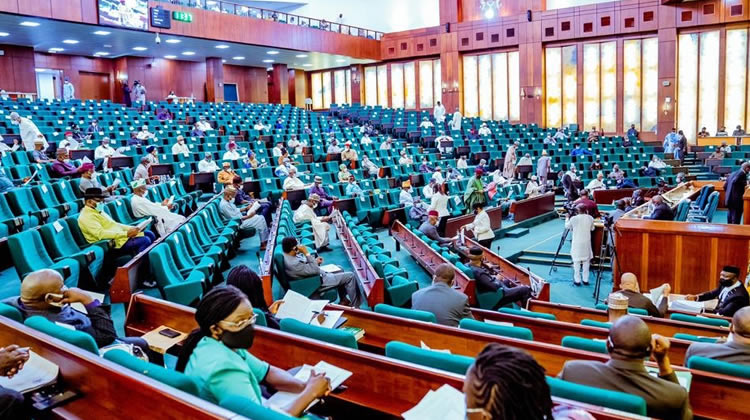
The Nigerian political landscape witnessed fresh turbulence on Thursday as three members of the House of Representatives from Katsina State formally defected from the Peoples Democratic Party (PDP) to the All Progressives Congress (APC). The development, which unfolded during a plenary session of the lower chamber, was officially announced by the Speaker of the House, Tajudeen Abbas.
The defectors include:
- Hon. Salisu Yusuf Majigiri, representing Mashi and Dutsi Federal Constituency
- Hon. Aliyu Iliyasu Ruma, representing Batsari, Safana, and Danmusa Federal Constituency
- Hon. Abdullahi Balarabe Dabai, representing Bakori and Danja Federal Constituency
- Appeal Court Upholds Aiyedatiwa’s Victory, Fines NNPP Candidate Over Frivolous Suit
All three lawmakers attributed their defection to internal crises, persistent disunity, and irreconcilable differences within the PDP. According to sources close to the legislators, ongoing factionalism and leadership struggles within the Katsina State chapter of the PDP left the members politically isolated and unable to effectively serve their constituencies.
Their defection comes amid mounting pressure on the PDP nationwide, with internal rifts weakening the party’s structure in several states. Analysts believe that the lawmakers’ move to the ruling APC could bolster the party’s legislative strength and further diminish the PDP’s influence in the region.
This latest wave of defection also signals a shifting political tide in Katsina State, a key battleground in Northern Nigeria. The APC, which already maintains a significant hold in the state, will likely use this opportunity to solidify its grassroots and legislative dominance ahead of future elections.
Meanwhile, in a separate political drama involving the Labour Party (LP), Abia State Governor, Alex Otti, has called on the Inspector General of Police (IGP), Kayode Egbetokun, to immediately arrest Julius Abure, the factional National Chairman of the party, over alleged impersonation.
Governor Otti’s demand followed claims by the Abure-led faction that he had been suspended from the Labour Party. In a sharply worded response, Otti dismissed the purported suspension as “a joke taken too far”, describing Abure and his supporters as “a group of inconsequential irritants” acting out of desperation.
The statement, issued through his Special Adviser on Media and Publicity, Ferdinand Ekeoma, portrayed Abure as “a clown in a desperate search for a crown”, and criticized the faction for attempting to exploit Otti’s name to promote what he called their “self-serving economic agenda.”
“We urge the Inspector General of Police to swiftly arrest Mr. Julius Abure for impersonation and misrepresentation. What they are doing is an affront to democracy and the rule of law,” Otti’s camp declared.
The Governor further called on the public to disregard the so-called suspension, branding it as illegitimate and lacking in both legal and moral authority. He reassured his supporters and party faithful in Abia State that his position as Governor and as a member of the Labour Party remains unshaken.
The Labour Party, which rose to national prominence during the 2023 general elections, has since been embroiled in a leadership crisis, with multiple factions claiming legitimacy. The internal wrangling has undermined the party’s credibility and distracted from its role as a potential third force in Nigerian politics.
Observers argue that unless resolved quickly, the LP’s internal strife could alienate supporters and reduce its capacity to function as an effective opposition party. Governor Otti’s reaction adds further weight to calls for institutional reforms within the party, especially around leadership selection and internal discipline.
Together, the two events — the mass defection from the PDP in Katsina and the escalating conflict within the LP — underscore the fragility of Nigeria’s party system, where loyalty is often fluid and internal cohesion remains elusive.
As Nigeria navigates complex economic and governance challenges, political instability such as this risks undermining both legislative productivity and public confidence in democratic institutions.
Moving forward, analysts are watching closely to see whether more defections will follow from the PDP, particularly in other politically active northern states, and how the LP resolves its intensifying leadership tussle. For now, the shifting sands of political allegiance continue to define the post-election terrain, reshaping alignments ahead of future polls.











Leave a Comment
Your email address will not be published. Required fields are marked with *