
Kwara Judiciary Workers Begin Indefinite Strike Over Salary Disparities The Judiciary Staff Union of Nigeria (JUSUN), Kwara State Chapter, has declared an indefinite strike following the alleged refusal of the state government to implement the Consolidated Judicial Salary Structure (CONJUSS) and review the salaries of judiciary workers. The industrial action, which began on
Kwara Judiciary Workers Begin Indefinite Strike Over Salary Disparities
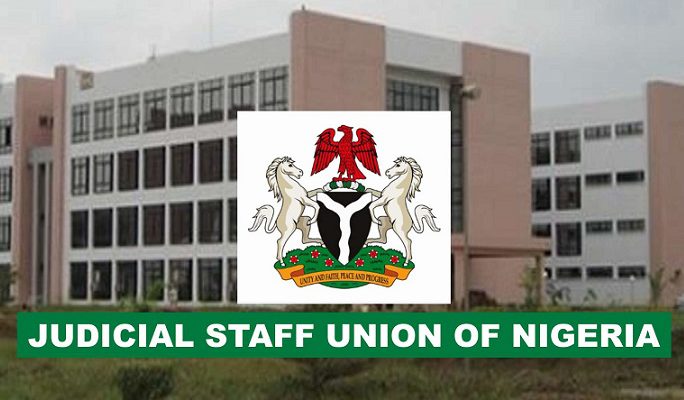
The Judiciary Staff Union of Nigeria (JUSUN), Kwara State Chapter, has declared an indefinite strike following the alleged refusal of the state government to implement the Consolidated Judicial Salary Structure (CONJUSS) and review the salaries of judiciary workers. The industrial action, which began on August 25, 2025, was announced through a statement signed by the union’s Public Relations Officer, Aliu Ahmad Gold.
According to JUSUN, the strike was a last resort after several attempts at dialogue with the state government failed to yield results. The union stressed that it had been patient for years, yet the welfare of judiciary workers continued to be neglected, leaving them no choice but to embark on the industrial action.
Julius Malema Warns Africa Against Debt Trap, Calls For Single Presidency And United Continent
Workers Demand Implementation of CONJUSS
In its statement, the union lamented that the salaries and allowances of judiciary staff in Kwara had not been reviewed since 2010, during the administration of former Governor Bukola Saraki. This, the workers argued, means they have gone 15 years without any adjustment, despite worsening inflation, rising costs of living, and growing economic hardship.
“Our core demand is the immediate implementation of CONJUSS and a review of the salary and allowances for judiciary workers in Kwara State, which was last done in 2010. Since then, nothing has been done to adjust our salaries to reflect the current economic realities, despite numerous requests,” the statement read.
The union further argued that judiciary staff, who constitute the operational backbone of the justice system, were being unfairly treated when compared with judges and senior judicial officers who continue to enjoy robust welfare packages.
“We find it deeply regrettable that the Judiciary, which stands as a crucial and equal arm of government, is experiencing this unprecedented low treatment, while other branches have been afforded the privilege of operating smoothly and enjoying various benefits unchecked,” JUSUN said.
Fairness and Balance in Government
JUSUN maintained that the disparity in welfare between judicial staff and other arms of government raised fundamental concerns about equity, fairness, and the autonomy of the judiciary. The union insisted that all arms of government must be treated fairly for the democratic system to function effectively.
“Such disparity raises concerns about fairness and balance within the governmental system in the state, and equity must be ensured for all arms of government to function effectively and autonomously,” the statement continued.
The union described the situation as unacceptable and an affront to the constitutional principle of separation of powers, warning that neglecting the welfare of judiciary workers undermines the delivery of justice in Kwara State.
Government Ignored Ultimatums
JUSUN revealed that the strike was not sudden but followed several ignored warnings and ultimatums issued to the state government. Among these were a 21-day ultimatum issued between July 25 and August 18, 2025, and a seven-day strike notice that ran from August 18 to August 25.
Despite these warnings, the union said the government failed to take any concrete action or even engage in meaningful dialogue with the judiciary staff.
“We have written several letters to the management and the state government, but our demands have fallen on deaf ears, and we have been met with utter disregard,” the union lamented.
The refusal of the government to respond to the union’s repeated demands was seen by JUSUN as an act of disrespect, leaving them with no alternative but to embark on a full-scale indefinite strike.
Strike as Last Resort
In its declaration, JUSUN made it clear that the strike was a non-negotiable response to the failure of the Kwara State Government to implement CONJUSS for judiciary workers. The union directed all judiciary workers in the state to stay away from work until further notice.
“This decision comes as a result of the failure of the Kwara State Government to implement CONJUSS for judiciary workers despite our repeated pleas. We regret that after exhausting all avenues for dialogue and negotiation, we have been left with no choice but to proceed on this strike,” the statement read.
The union emphasized that the strike was not aimed at disrupting governance but rather to demand fairness, dignity, and improved working conditions for judiciary staff, who play a critical role in upholding law and order.
Implications of the Strike
The indefinite strike is expected to paralyze judicial activities in Kwara State. Court sessions will be suspended, filings halted, and litigants left stranded as judiciary staff comply with the directive to stay away from work. This development could result in significant delays in the administration of justice, including criminal trials, civil disputes, and other legal proceedings.
Analysts warn that the strike could worsen the already slow pace of justice delivery in the state, while also undermining public confidence in the judicial system. Without staff to support judges and court operations, the judiciary will effectively be crippled until the government addresses the union’s demands.
The Road Ahead
The Kwara State Government is yet to issue a formal response to the strike. However, stakeholders in the state are calling on the government to engage the union in dialogue and find a sustainable solution to the dispute.
Labour activists and civil society groups have also weighed in, warning that neglecting the welfare of judiciary staff could set a dangerous precedent for other states. They stressed that the judiciary, as the third arm of government, must be given the necessary support to function independently and effectively.
For JUSUN, the key demand remains the full implementation of CONJUSS and an urgent review of salary structures to reflect current economic realities. Until that happens, the union insists that its members will not return to work.
The indefinite strike by JUSUN in Kwara State underscores the growing tension between workers and state authorities over issues of wage stagnation and welfare neglect. For judiciary workers, the last salary review in 2010 is a painful reminder of systemic neglect, particularly as inflation and economic hardship continue to erode their earnings.
The strike also raises broader questions about fairness and equity among Nigeria’s three arms of government. While judges and political office holders enjoy substantial benefits, the workers who ensure the justice system functions are left struggling.
Unless the Kwara State Government acts swiftly to resolve the impasse, the strike could drag on, crippling judicial operations and denying citizens access to justice. For now, JUSUN has made its position clear: no CONJUSS, no work.













Leave a Comment
Your email address will not be published. Required fields are marked with *