
Nigeria Charts Strategic Response to U.S. Tariffs, Boosts AfCFTA and MSME Export Drive In the wake of new trade policies introduced by U.S. President Donald Trump, Nigeria’s Minister of Trade, Industry and Investment, Jumoke Oduwole, has outlined a comprehensive strategy to safeguard the nation's economy while turning the challenge into an opportunity to deepen intra-African
Nigeria Charts Strategic Response to U.S. Tariffs, Boosts AfCFTA and MSME Export Drive
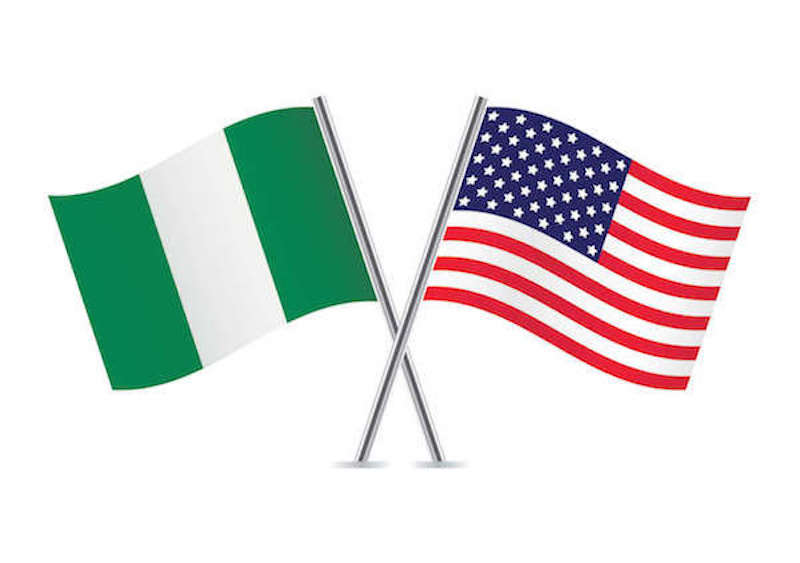
In the wake of new trade policies introduced by U.S. President Donald Trump, Nigeria’s Minister of Trade, Industry and Investment, Jumoke Oduwole, has outlined a comprehensive strategy to safeguard the nation’s economy while turning the challenge into an opportunity to deepen intra-African trade. Speaking on national television yesterday, Oduwole assured that the federal government is not only prepared to respond to the evolving global trade dynamics but is also leveraging the African Continental Free Trade Area (AfCFTA) as a critical counterbalance.
She emphasized that the new U.S. tariffs may have implications for select Nigerian industries, especially those dependent on exports under the African Growth and Opportunity Act (AGOA), but stressed that the government is taking a proactive, multi-dimensional approach to minimize disruption and maximize new trade avenues.
Trade Policy Resilience in a Changing Global Landscape
A central theme in Oduwole’s message was resilience, particularly in the face of external economic shocks. She acknowledged that while the U.S. remains one of Nigeria’s most vital trading partners through AGOA—particularly for crude oil and select non-oil exports—some sectors are vulnerable to the uncertainty caused by shifting U.S. policies.
“We have to also think about our second-largest fertilizer companies and URA-led exporters. These businesses have been gaining traction in international markets, and this policy shift introduces a level of uncertainty that could disrupt their operations,” she said.
She confirmed that the Ministry is already engaging with businesses affected by the new tariffs, including fertilizer producers, to assess their needs and provide support. The government, she noted, is focused on ensuring these industries remain competitive in both regional and global markets.
Focus Keyword: “Resilience” at the Heart of Nigeria’s Trade Strategy
At the core of Nigeria’s response is a national strategy rooted in resilience—diversifying trade partners, expanding intra-African trade, and empowering local businesses, particularly women-led and youth-led Micro, Small and Medium Enterprises (MSMEs). Oduwole noted that while AGOA has opened doors, it does not extend significant benefits to MSMEs, a sector that contributes nearly 50% of Nigeria’s GDP.
“We are working to create opportunities for MSMEs to access foreign markets through more inclusive platforms like the AfCFTA,” she said. “It’s not just about surviving U.S. tariffs, it’s about building new trade corridors, particularly within Africa, that are sustainable and empowering for smaller businesses.”
The minister explained that the AfCFTA provides an unprecedented opportunity for Nigerian MSMEs to expand beyond traditional markets. She pointed out that many women-led and youth-driven enterprises operate informally, and AfCFTA could serve as a framework to formalize these businesses and connect them to a broader continental network.
Turning Trade Tensions into New Opportunities
Oduwole also addressed concerns over global trade instability. Despite escalating tensions between major economies like the U.S. and China, she explained that Africa’s relatively modest share in global trade—between 3% and 5%—shields it somewhat from the full impact of trade wars.
“Africa is kind of insulated from global trade volatility because we are less than five per cent—about three per cent—of global trade,” she noted. “We don’t want retaliation, and we certainly want to avoid becoming collateral damage.”
Rather than wait for the fallout, the Tinubu administration is using the moment as a wake-up call to refine Nigeria’s overall trade and investment strategy. This includes expanding digital trade infrastructure, fortifying special economic zones, and implementing tax incentives to help MSMEs compete globally.
Oduwole confirmed that high-level diplomatic efforts are underway to strengthen Nigeria’s trade ties with other major economies. Recent bilateral engagements include meetings with trade delegations from the United States, United Kingdom, China, Brazil, Japan, and the United Arab Emirates. These efforts are part of a long-term plan to secure market access and attract investment from diversified sources.
A Call to Action: Positioning Nigeria for Trade Success
The minister concluded with a call to action for policymakers, businesses, and entrepreneurs to align behind a national strategy that strengthens Nigeria’s position in the global economy. “This is a moment where your trade policy, your investment policy, and your investment attraction strategy come into full play,” Oduwole said. “You must respond with clarity and confidence.”
With Nigeria aiming to reach over 250 export destinations globally, the focus is now on building a trade ecosystem that is agile, inclusive, and forward-looking. The government is working on expanding digital platforms to support export readiness, simplifying documentation processes for MSMEs, and strengthening partnerships with international trade bodies.
As global trade dynamics evolve under new U.S. policies, Nigeria is not standing still. Instead, it is adapting, innovating, and doubling down on regional integration. Minister Jumoke Oduwole’s strategic plan reveals a clear shift in Nigeria’s trade approach—prioritizing resilience through diversification, supporting vulnerable sectors, and opening doors for millions of MSMEs, especially women and youth.
With the AfCFTA as a cornerstone and diplomatic momentum on its side, Nigeria is poised not only to withstand external shocks but to emerge stronger, more competitive, and more integrated into the fabric of African and global commerce.




















Leave a Comment
Your email address will not be published. Required fields are marked with *