
Nkem Owoh Recounts Agony Over Brother’s Execution During Buhari’s Military Regime Veteran Nollywood actor Nkem Owoh has opened up about one of the most heartbreaking chapters of his life—the execution of his older brother, Bartholomew Owoh, under the military regime of General Muhammadu Buhari. The actor, known for his comedic roles in Nigerian cinema, revealed
Nkem Owoh Recounts Agony Over Brother’s Execution During Buhari’s Military Regime
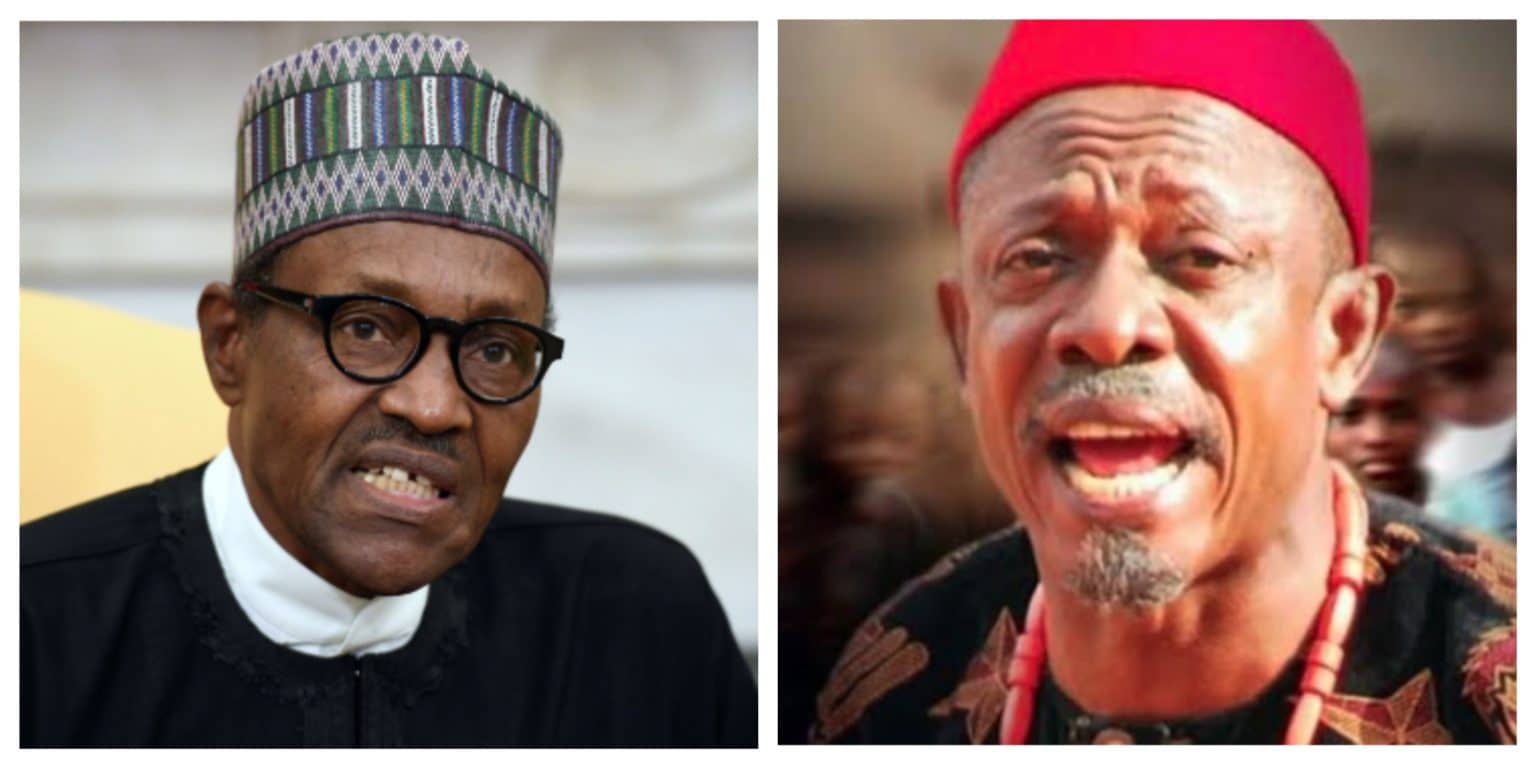 Veteran Nollywood actor Nkem Owoh has opened up about one of the most heartbreaking chapters of his life—the execution of his older brother, Bartholomew Owoh, under the military regime of General Muhammadu Buhari. The actor, known for his comedic roles in Nigerian cinema, revealed that behind his public persona lies a deep wound inflicted by a historical injustice that continues to haunt his memory.
Panic in Ikeja as Inverter Explosion Rocks Building; Fire Destroys Shops in Ibadan
In an emotional interview aired on Arise Television’s The Interview on Thursday, April 10, 2025, Nkem Owoh recounted the trauma of losing his brother to a firing squad on April 10, 1985. Bartholomew was one of three young men—alongside Lawal Ojuolape and Bernard Ogedengbe—executed for drug-related offences. The execution sparked national and international outrage, primarily because the offences were committed before the law imposing the death penalty had been enacted.
Retroactive Justice: Nkem Owoh Questions the Decree’s Legality
The actor expressed anguish not only over the loss of his brother but also over the military government’s decision to apply a newly enacted death penalty law retroactively. This, he argued, defied both logic and justice.
“I was working with the Anambra Television that time, and I was so furious that I was shedding tears along the corridors,” Owoh recalled during the interview.
He emphasized that the military regime’s decision to shift the effective date of the decree in order to apply it to previous offences was not only unconstitutional but also morally questionable. “In fact, the thing that touched me most is that they had to shift the effective date of that decree. You know, during the military era, they can just get out one decree and the next minute, it’s in operation,” he said bitterly.
“Why would it be shifted back to include people who didn’t commit the offence before the decree?” he asked, challenging the legality of a decision that led to the execution of young Nigerians whose actions had not, at the time, warranted the death sentence.
Bartholomew Owoh’s case became symbolic of the excesses of military rule in Nigeria, particularly the use of harsh, often arbitrary, decrees to enforce law and order. Critics have long argued that the 1985 executions were politically motivated and intended to project an image of toughness rather than deliver fair justice.
The Lasting Impact of Military Rule on Families
For Nkem Owoh, the pain remains vivid. Despite decades passing, the sense of injustice and loss remains raw, and his testimony underscores the far-reaching consequences of authoritarian governance—not just for the individuals directly involved, but for their families and communities.
The actor’s comments come at a time when Nigerians are increasingly revisiting past regimes, especially in light of the current political landscape and growing public discourse on justice, governance, and historical accountability.
His remarks also touch on the broader issue of Nigeria’s military past and its lingering effects on civil liberties, the judiciary, and the rule of law. Many Nigerians, like Owoh, continue to bear the scars of a period marked by arbitrary decrees and a disregard for due process.
As Owoh relives the tragedy that changed his life forever, his story serves as a poignant reminder of the cost of retroactive justice. It is also a call for deeper national reflection on the need for transparent, fair, and accountable governance in every era—military or democratic.







Leave a Comment
Your email address will not be published. Required fields are marked with *