
NLC Demands INEC Withdraw Recognition of Abure-Led Labour Party Leadership The Nigeria Labour Congress (NLC) has intensified its confrontation with the Julius Abure-led leadership of the Labour Party, demanding that the Independent National Electoral Commission (INEC) formally withdraw its recognition of the current National Working Committee (NWC). In a bold move signalling a new phase
NLC Demands INEC Withdraw Recognition of Abure-Led Labour Party Leadership
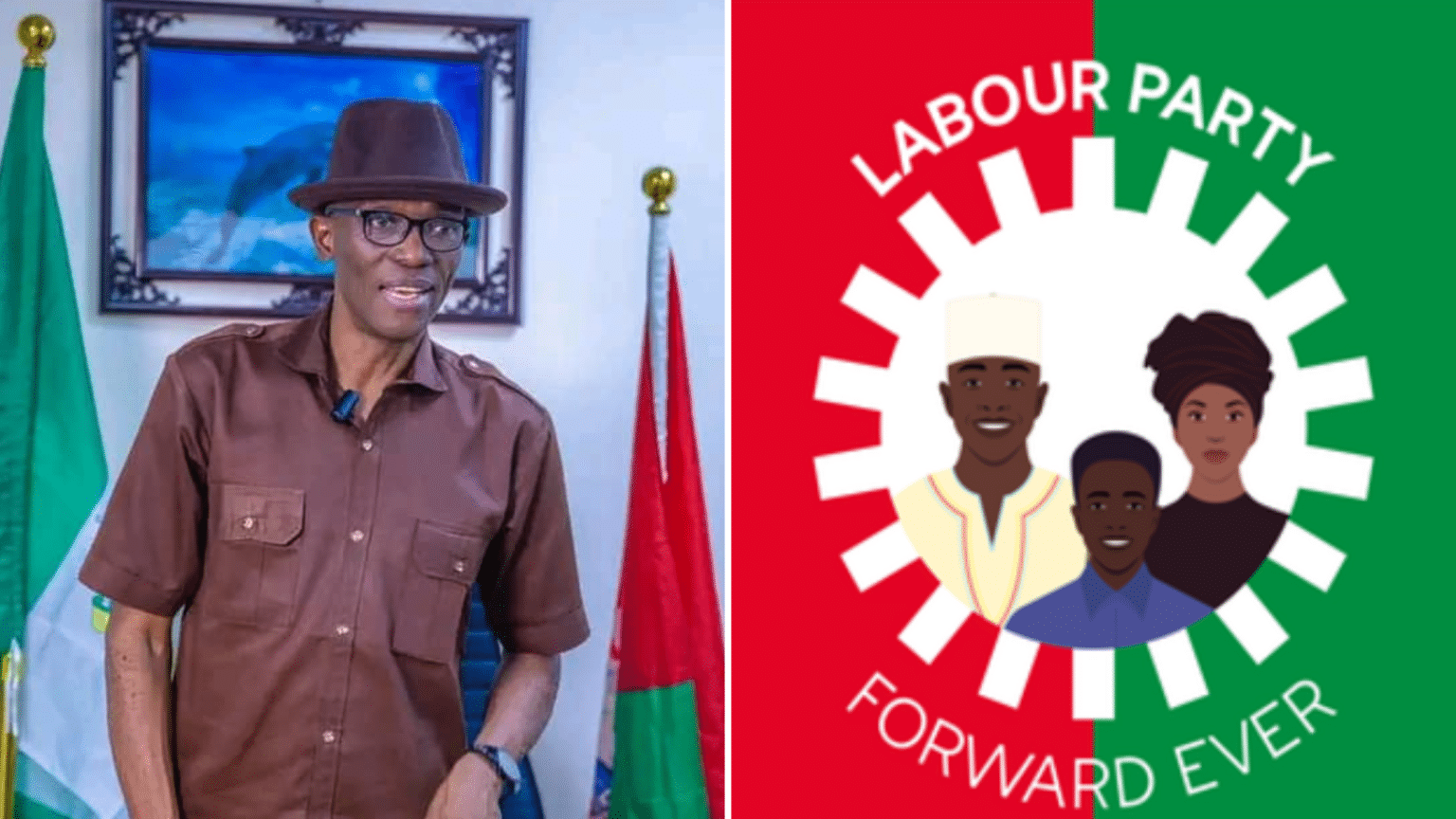
The Nigeria Labour Congress (NLC) has intensified its confrontation with the Julius Abure-led leadership of the Labour Party, demanding that the Independent National Electoral Commission (INEC) formally withdraw its recognition of the current National Working Committee (NWC). In a bold move signalling a new phase of internal power struggle, the NLC also revealed plans to take control of Labour Party secretariats across the country in what it described as a “surprise takeover.”
Speaking to journalists in Abuja, NLC President, Joe Ajaero, announced that a formal letter had been submitted to INEC, contesting the legitimacy of the Abure-led leadership. The letter coincides with preparations for the NLC’s forthcoming National Executive Council (NEC) meeting, during which final decisions will be made on the execution of the planned takeovers.
“We have written to INEC, and on the day of our NEC meeting, every other thing will be decided there,” Ajaero stated. “We are going to do that because that’s the way it is. Labour Party is an institutional party, owned by the trade unions.”
Wave Of Bandit Attacks Forces Over 20 Villages To Flee In Sokoto State
Rift Deepens Between NLC and Abure-Led NWC
The clash between the NLC and Julius Abure, who currently chairs the Labour Party’s National Working Committee, has been simmering for months and appears to have reached a boiling point. The dispute stems largely from disagreements over the party’s internal democracy and the legitimacy of a controversial national convention held in Nnewi, Anambra State—a gathering the NLC has flatly refused to recognise.
According to Ajaero, the Congress believes the leadership of Abure and his loyalists is no longer valid, claiming it violates previous agreements struck between the Labour Party and the trade union bodies that formed its foundation.
“For anybody to come and claim ownership of the Labour Party without the trade unions is laughable,” Ajaero declared. “Labour Party is all about the trade union movement. It’s not an empty shell.”
The NLC has maintained that the Labour Party was created as a political extension of the workers’ movement and that any leadership not emerging through consensus with the trade unions lacks legitimacy.
Secretariat Takeovers Loom
In what may become a major turning point in the party’s leadership battle, Ajaero disclosed the NLC’s plan to orchestrate the takeover of state-level Labour Party secretariats, most of which are currently controlled by Abure loyalists. While details remain vague, the union president stressed that the move would be sudden and strategic.
“We are working on it. That’s why we didn’t announce a date. But we’ve asked every worker to be on standby,” he said. “The certificate of the Labour Party is in this office.”
This announcement has added a layer of urgency to the unfolding leadership crisis. While Ajaero refrained from revealing operational details, insiders suggest that the Congress is mobilising its nationwide network to ensure the takeover can be implemented simultaneously in multiple states.
Ajaero further warned that any attempt to claim the party outside the labour movement would be met with resistance.
“Any attempt to hijack the Labour Party without the trade unions is plagiarism,” he said. “We will not allow charlatans to hijack the party we built.”
INEC Yet to Respond
As of press time, INEC has not publicly responded to the NLC’s request to derecognize the Abure-led Labour Party leadership. Legal experts suggest that the electoral commission may require clear judicial backing before taking such action, particularly given the constitutional implications and the potential for political fallout.
The party’s current crisis is being watched closely, especially in the context of upcoming national elections and the growing influence of the Labour Party since the 2023 general elections. With the party gaining more visibility under the candidacy of Peter Obi, its internal power struggle threatens to erode the gains made in mobilising the youth and labour base.
Implications for 2027 and Beyond
Observers note that the outcome of the conflict could have far-reaching implications for the Labour Party’s prospects in 2027. With defections, rivalries, and questions of legitimacy now dominating headlines, the party risks internal fragmentation if a resolution is not reached.
Political analysts say the NLC’s assertiveness might push for a broader restructuring within the party, though it could also alienate newer political actors who are not part of the traditional labour movement.
As the NLC prepares for its NEC meeting, all eyes are on the next phase of the battle—a power struggle that may determine not just the face of Labour Party leadership, but also its very identity.










Leave a Comment
Your email address will not be published. Required fields are marked with *