
Power Struggle in Oyo: Ibadan Leaders Reject Move to Install Alaafin as Permanent Council Chairman Tensions are intensifying in Oyo State as a proposed legislative amendment threatens to upend longstanding traditional leadership structures. The Central Council of Ibadan Indigenes (CCII), supported by Mogajis, Baales, traditional monarchs, and other high-profile figures from Ibadanland, has expressed firm
Power Struggle in Oyo: Ibadan Leaders Reject Move to Install Alaafin as Permanent Council Chairman

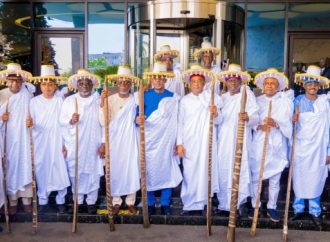
Tensions are intensifying in Oyo State as a proposed legislative amendment threatens to upend longstanding traditional leadership structures. The Central Council of Ibadan Indigenes (CCII), supported by Mogajis, Baales, traditional monarchs, and other high-profile figures from Ibadanland, has expressed firm opposition to the Oyo State House of Assembly’s bid to name the Alaafin of Oyo as the permanent Chairman of the Oyo State Council of Obas and Chiefs.
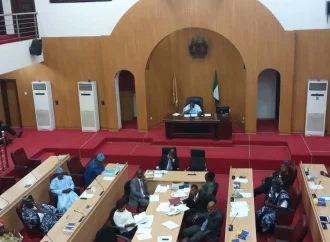
The resistance came to the fore on Wednesday as the state assembly deliberated on the second reading of the Council of Obas and Chiefs (Further Amendments) Bill, 2025. This bill proposes a permanent chairmanship for the Alaafin of Oyo, a move that would dismantle the existing rotational leadership structure that has governed the council for years.
Tragedy In Plateau: Nine Killed, Homes Razed In Wereng Camp Night Attack
“Oyo Council Crisis: Ibadan Stakeholders Demand Rotational Chairmanship”
Traditionally, the chairmanship of the Oyo State Council of Obas and Chiefs has been rotated among respected monarchs from across the state. While the original 2000 law designated the Alaafin as the permanent chair, practical adjustments made in later years—particularly during Governor Adebayo Alao Akala’s tenure—reaffirmed the value of a rotating leadership. Ibadan leaders see the current attempt to revert to a permanent Alaafin chairmanship as a provocative act that could destabilize the region’s fragile unity.
In a joint statement, Mogaji Asimiyu Ariori, President of the Ibadan Mogajis, and Mogaji Nurudeen Akinade, Coordinator of the Ibadan Compounds Peace Initiative (ICPI), voiced the concerns of Ibadan’s traditional leadership. They strongly asserted that Ibadan, which has historically served as a linchpin of the Yoruba political and cultural identity, must not be relegated or marginalized.
“History is clear—Ibadan has never been subordinate to Oyo,” said Ariori. “We have played a central role in protecting and preserving the Yoruba kingdom. Our contributions have been monumental, and they must be respected.”
Akinade echoed similar sentiments, referencing Ibadan’s pivotal role in Yoruba politics and regional advancement. “Without Ibadan,” he said, “the emergence of great leaders like Chief Obafemi Awolowo may not have happened. Ibadan has always been the heartbeat of Yoruba leadership and development.”
“Political Fallout Looms Over Alaafin’s Permanent Chairmanship”
Ibadan leaders warned that should the state assembly move forward with the controversial amendment, it could trigger widespread backlash and unrest within the Ibadan community. They emphasized that the traditional rotation of the council chairmanship reflects the diversity and multi-ethnic composition of Oyo State and should be preserved in the spirit of fairness and equity.
The leaders referenced the endorsement of the rotational system by former Governor Alao Akala, which was in practice during the reign of the late Oba Samuel Odulana Odugade I of Ibadan. That arrangement fostered relative peace among the traditional rulers and allowed for broader representation of the different regions within the state.
“This attempt to concentrate power in one stool will only breed division and resentment,” warned Ariori. “The rotational system has worked for us. Why break what has brought us stability and inclusion?”
The CCII and other Ibadan groups have urged the assembly to consider the broader implications of the proposed law and to prioritize peace, unity, and inclusivity over political expediency or historical loyalties. Their message is clear: any move that sidelines Ibadan’s role in the traditional council will be met with strong resistance.
Political analysts warn that this growing dispute could evolve into a broader conflict between traditional institutions and modern governance, especially if not handled with diplomacy and respect for cultural sensitivities. The assembly now faces a critical decision—either proceed with the amendment and risk igniting inter-community tensions or revisit the bill in consultation with all stakeholders.
Observers suggest that Governor Seyi Makinde’s intervention may become necessary to mediate the brewing crisis. With emotions running high and historical grievances resurfacing, the future of the Oyo State Council of Obas and Chiefs hangs in a delicate balance.
For now, Ibadan’s stance remains resolute: tradition must reflect equity, and leadership must be shared, not imposed.















Leave a Comment
Your email address will not be published. Required fields are marked with *