
Presidency Clarifies Tinubu’s $24 Billion Loan Plan Amid Rising Debt Concerns The presidency has denied that President Bola Tinubu is seeking a fresh $24 billion loan. The clarification came amid rising public discourse and opposition backlash over concerns that the alleged borrowing would add a staggering ₦38.24 trillion to Nigeria’s debt stock, potentially inflating
Presidency Clarifies Tinubu’s $24 Billion Loan Plan Amid Rising Debt Concerns
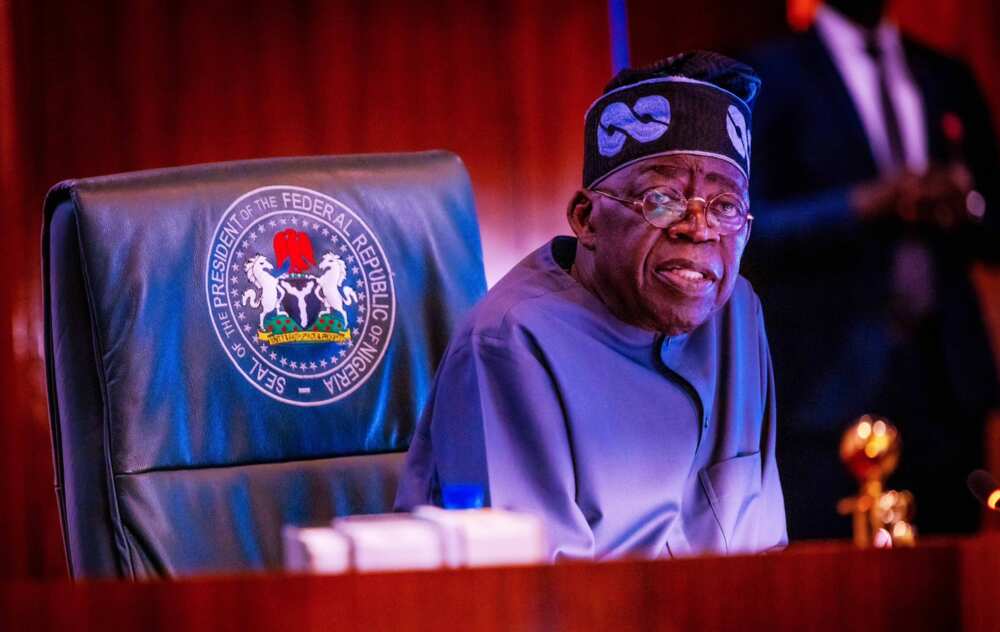 The presidency has denied that President Bola Tinubu is seeking a fresh $24 billion loan. The clarification came amid rising public discourse and opposition backlash over concerns that the alleged borrowing would add a staggering ₦38.24 trillion to Nigeria’s debt stock, potentially inflating it to over ₦182.91 trillion by 2026.
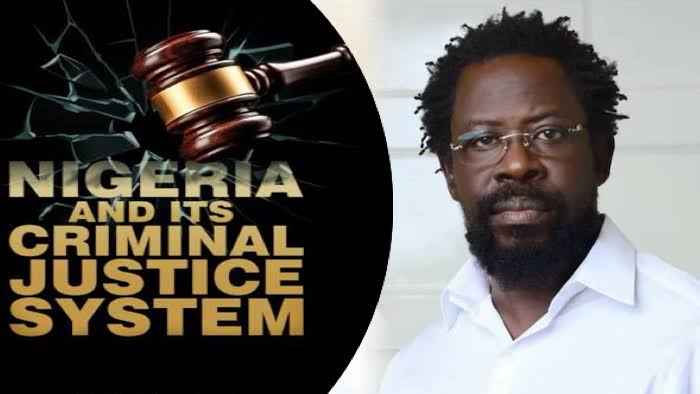
The Senior Special Assistant to the President on Media, Tope Ajayi, set the record straight during an interview on the programme Real Talk With Kike. He explained that President Tinubu only presented a loan plan to the National Assembly as part of his fiscal responsibility under existing laws—not an immediate request for new external borrowing.
Fiscal Plan, Not Fresh Borrowing, Presidency Insists
Ajayi emphasized that the Federal Government’s submission to the National Assembly is in accordance with the Fiscal Responsibility Act, which mandates the executive to submit a borrowing plan for legislative review. He stressed that presenting a plan does not imply that loans will be secured automatically.
“The administration is not borrowing $24 or $21 billion,” Ajayi clarified. “Under the fiscal responsibility law, the government sends the borrowing plan to the National Assembly. It is a plan—not a guarantee that funds will be drawn tomorrow. It includes the Federal Government, the states, and the FCT.”
Ajayi explained further that the structure of the proposed loan plan is strategic and spans three years. This, he noted, ensures smoother planning cycles and avoids the need for the executive to seek loan approvals from the legislature repeatedly.
“I Derive Joy from Stepping On Big Toes”: Wike Targets Abuja Ground Rent Debtors
States and FCT in Borrowing Plan
A major point of misunderstanding, according to Ajayi, is the assumption that the $24 billion plan reflects federal government borrowing alone. He corrected this notion by pointing out that the plan includes projects and funding requirements from the 36 states and the Federal Capital Territory.
Under Nigerian law, only the President can negotiate and secure external loans on behalf of both the federal and state governments. Thus, the proposed borrowing blueprint consolidates the financial plans of all tiers of government into one document for submission to lawmakers.
“In the three-year borrowing plan, the President has incorporated the plans of every state into it,” he said. “It is presented to the National Assembly for review, debate, and approval. The existence of a plan does not mean funds will be accessed immediately—it is designed for transparency and accountability.”
Debt Repayment Already Underway
Ajayi also highlighted the government’s recent efforts in repaying existing loans. He revealed that the Federal Government has paid off a $3.4 billion loan secured from the International Monetary Fund (IMF) during the COVID-19 pandemic. In addition, ₦300 billion from Islamic bonds (Sukuk) has also been repaid.
“These repayments underscore the government’s commitment to financial responsibility, despite the criticisms and misinterpretations in public discourse,” he said.
He credited the end of fuel subsidies for generating surplus revenue now being utilized to meet financial obligations and fund developmental projects across all levels of government. “Thanks to the fuel subsidy removal, both federal and state governments are now better positioned to execute capital projects and meet salary obligations,” Ajayi noted.
This clarification from the Presidency is aimed at reinforcing public confidence amid fears of unsustainable debt levels. With a clear focus on planning and accountability, the Tinubu administration seems intent on restructuring Nigeria’s fiscal approach—anchored on long-term strategies rather than ad hoc borrowing.
While the debate around the country’s debt continues, the Federal Government maintains that the borrowing plan is simply a forward-looking mechanism required by law, not an immediate debt expansion. Time will reveal how well these fiscal strategies align with economic realities and public expectations in the years ahead.








Leave a Comment
Your email address will not be published. Required fields are marked with *