
Senator Dickson Slams Tinubu’s Silence on Rivers Crisis, Warns Against ‘Military-Style’ Democracy ABUJA — Senator Seriake Dickson, representing Bayelsa West, delivered a scathing rebuke of President Bola Tinubu’s perceived indifference to the deepening political crisis in Rivers State. Speaking to journalists on Thursday after a joint session of the National Assembly, which marked Nigeria’s 26th
Senator Dickson Slams Tinubu’s Silence on Rivers Crisis, Warns Against ‘Military-Style’ Democracy
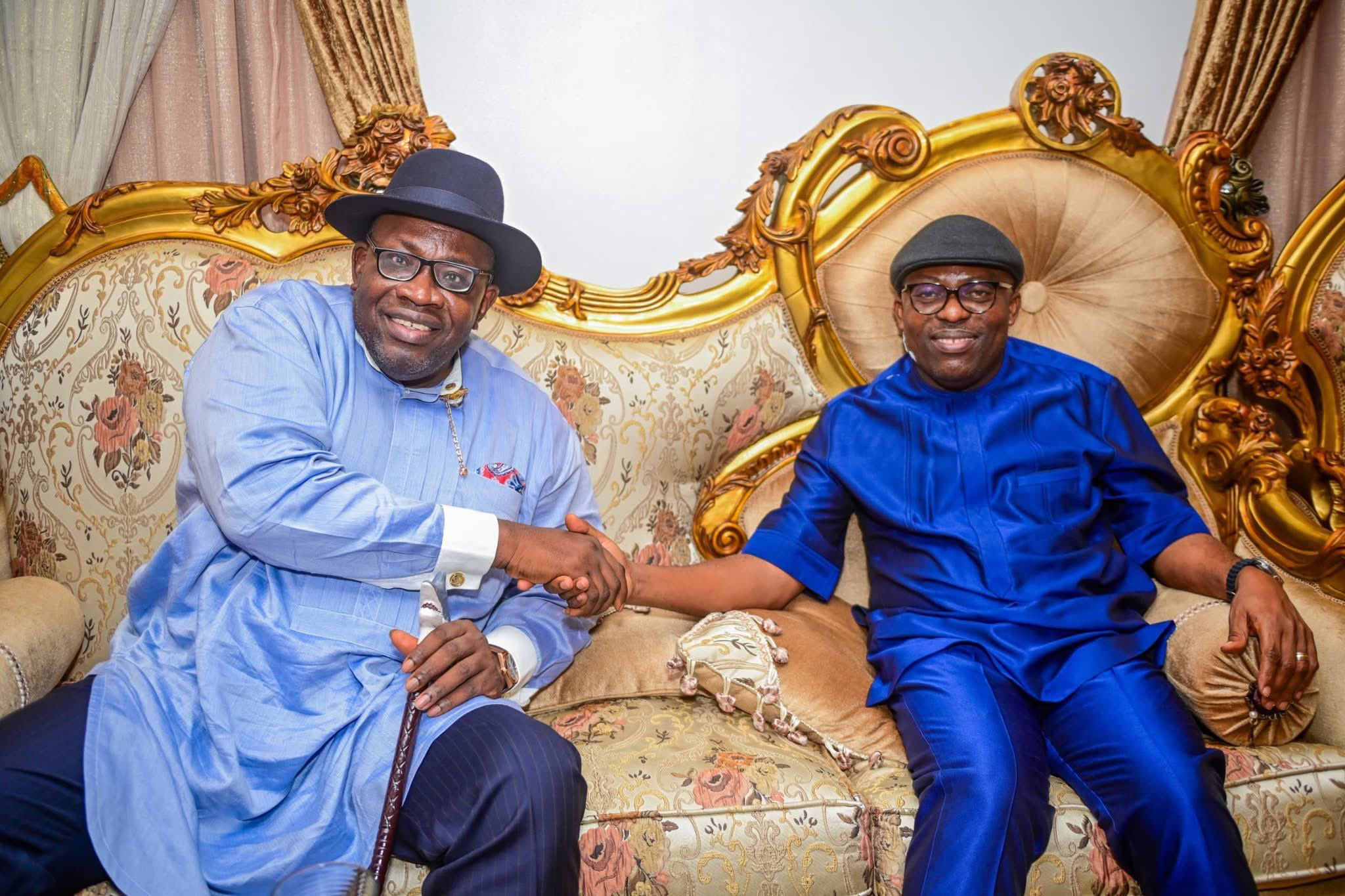
ABUJA — Senator Seriake Dickson, representing Bayelsa West, delivered a scathing rebuke of President Bola Tinubu’s perceived indifference to the deepening political crisis in Rivers State. Speaking to journalists on Thursday after a joint session of the National Assembly, which marked Nigeria’s 26th Democracy Day, Dickson condemned what he described as the “military-style suppression of democracy” and the President’s silence on the matter during his commemorative address.
The former Bayelsa State governor expressed profound disappointment that the President failed to even acknowledge the ongoing constitutional crisis in Rivers, where tensions have been brewing over governance, appointments, and the role of federal authority in state matters.
Tinubu Welcomes Opposition Defectors, Says APC Will Not Bar Entry Amid Democracy Day Address
“A Mockery of Democracy Day”: Dickson Speaks Out
“Let me begin by wishing Nigerians a Happy Democracy Day, even though one could ask—are Nigerians truly happy today?” Dickson began. “Still, democracy is about hope—hope for a better tomorrow. But what we witnessed today in the Senate chamber was a mockery of that hope.”
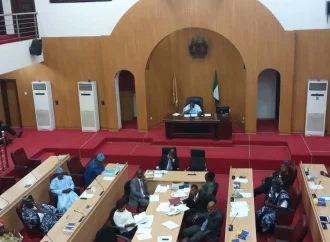
The senator was referring to President Tinubu’s official communication regarding political developments in Rivers State, which was read aloud by Senate President Godswill Akpabio during plenary. According to Dickson, his attempt to raise a constitutional point of order during the session was flatly ignored, an act he described as a “blatant suppression and disrespect for parliamentary privilege.”
“The majority may have their way, but the minority must have its say,” he stated, condemning the Senate leadership’s decision to brush aside his intervention. “It is deeply troubling that, on a day meant to celebrate civil rule and justice, the Senate chose to read an undemocratic communication without challenge.”
Tinubu Accused of Undermining Democratic Institutions
Dickson argued that the President’s actions—and more importantly, his inaction—send a dangerous message about the federal government’s attitude towards state autonomy and constitutional governance. He called Tinubu’s Democracy Day speech “flowery and impressive in tone” but said it failed to address critical threats to democratic institutions.
“You cannot claim to be a democrat on paper and trample on democracy in practice,” Dickson asserted. “The President missed a golden opportunity today to restore constitutional order in Rivers.”
He dismissed suggestions that his criticism was politically motivated or aimed at defending Governor Siminalayi Fubara, who is at the center of the Rivers controversy. Rather, Dickson said his concern was rooted in the broader defense of Nigeria’s constitutional framework.
“This is not about Governor Fubara or any party,” he clarified. “It is about the people of Rivers State and the sanctity of our democratic institutions. Today, it is Rivers. Tomorrow, it could be Lagos or Kano.”
Democracy Cannot Thrive in Silence
The senator further cautioned that allowing unelected federal actors to interfere in state governance could set a dangerous precedent. “What happened in Lagos during the elections was a power grab. What is happening in Rivers is a continuation of that trend. We cannot build democracy on a foundation of repression and silence.”
His comments come amid rising concerns about executive overreach and the influence of federal power in state-level politics. Dickson warned that any erosion of democratic norms—regardless of which party or region it affects—puts the entire nation at risk.
“This is not just about one state,” he emphasized. “It is about protecting our democracy for every Nigerian—north, south, east, and west. We owe it to those who fought, and we owe it to future generations to do better.”
National Implications of the Rivers Crisis
Dickson’s condemnation of the federal government’s role in the Rivers political standoff has reignited debate over the independence of Nigeria’s democratic institutions. Critics of the Tinubu administration argue that federal interference in state affairs violates both the spirit and the letter of Nigeria’s federalist constitution.
The senator’s reference to the June 12 struggle—Nigeria’s symbolic date for Democracy Day—resonated with many who recall the sacrifices made to restore civilian rule. He challenged Nigerians of all political affiliations to rise above partisanship and defend democratic values, especially in moments when those values appear under siege.
“Democracy does not die only by force. Sometimes, it dies in silence,” Dickson said. “Today, as we remember our heroes, we must also ask ourselves—are we honoring their legacy or betraying it?”
In closing, Senator Dickson’s Democracy Day message serves as both a warning and a call to action. As political tensions continue to escalate in Rivers and beyond, his words underscore a growing fear among stakeholders that democracy in Nigeria, hard-won as it is, must be fiercely protected—not just in speeches, but in practice.










Leave a Comment
Your email address will not be published. Required fields are marked with *