
Seven states step into electricity regulation under Tinubu administration The Nigerian electricity sector has entered a historic phase as seven states — Enugu, Ondo, Ekiti, Imo, Oyo, Edo, and Kogi — formally assume responsibility for regulating their own electricity markets, following the implementation of the Electricity Act 2023. The Act, signed by President Bola Tinubu,
Seven states step into electricity regulation under Tinubu administration
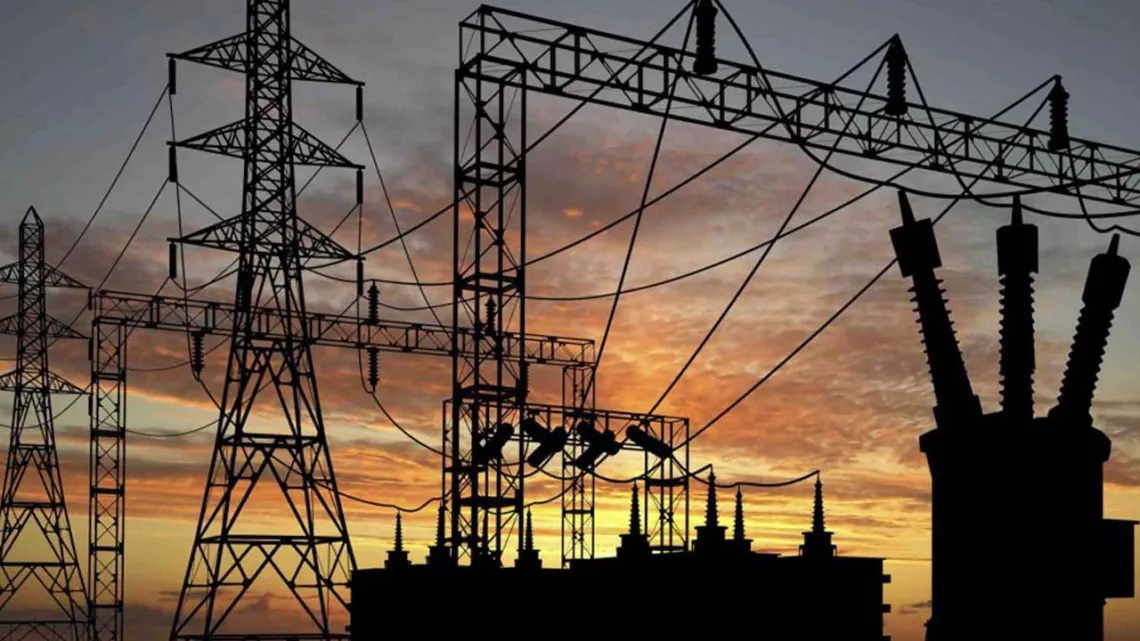
The Nigerian electricity sector has entered a historic phase as seven states — Enugu, Ondo, Ekiti, Imo, Oyo, Edo, and Kogi — formally assume responsibility for regulating their own electricity markets, following the implementation of the Electricity Act 2023. The Act, signed by President Bola Tinubu, allows states to generate, transmit, distribute, and regulate electricity within their borders, marking a dramatic shift from the previously centralised system.
This decentralisation, hailed by many as a long-overdue reform to boost energy access and market competitiveness, has also sparked concerns about regulatory readiness, manpower shortages, and potential chaos in policy implementation.
The Nigerian Electricity Regulatory Commission (NERC), which previously had nationwide control, has now issued 11 transfer orders to states that met the legal requirements for regulatory autonomy. Lagos, Ogun, Niger, Plateau, and Anambra are expected to complete their transitions by September 2025.
IGP Egbetokun Denies Election Rigging Claims, Rejects Calls For Armed Citizenry
Fragmented Control or Federalism in Action?
While the shift is seen as a step towards true federalism in line with Nigeria’s presidential structure, stakeholders have warned of possible fragmentation if clear boundaries and coordination mechanisms are not enforced.
“The states and the Federal Government can now operate concurrently within clearly defined roles,” said Kunle Olubiyo, President of the Nigeria Consumer Protection Network. “It’s not about balkanising the grid, but about enabling local solutions where the national system has failed.”
Olubiyo highlighted how states could now issue licenses for mini-grid, embedded, or captive power projects up to 5 megawatts, allowing them to meet unique economic needs without relying on the national grid.
However, he warned of potential chaos if states pursue conflicting policies or fail to uphold consumer protections. “We must respect the supremacy of the Constitution and avoid jurisdictional conflicts,” he stressed.
Regulatory Capacity Under Scrutiny
The optimism surrounding the Act is tempered by growing concerns over the technical and institutional capacity of states to handle these responsibilities. A senior NERC official, speaking anonymously, said most states were unprepared for tariff setting, asset delineation, and enforcement.
“Only about 2,000 people globally have the expertise to set electricity tariffs correctly. Most states don’t have that expertise yet,” the official said, warning that poorly trained teams could struggle with key technical and legal aspects of regulation.
Similarly, Adetayo Adegbemle, Executive Director of PowerUp Nigeria, noted that many states had yet to establish functioning regulatory frameworks despite receiving autonomy. “Only four out of 11 states have shown signs of activity. The rest are stuck at the announcement phase,” he said.
Adegbemle cautioned against “regulatory abandonment,” adding that consumers could be left without protections if states fail to implement rules swiftly. “State-level competition is good, but it must be paired with sound policy, trained manpower, and market awareness,” he added.
State Action: Mixed Progress
Some states have taken significant strides. Enugu State, for instance, is widely seen as the most prepared. The Enugu State Electricity Regulatory Commission (EERC) has begun issuing licenses and enforcing compliance. It recently ordered MainPower Electricity Distribution Ltd to refund customers after finding evidence of overbilling.
Lagos State, leveraging its track record with independent power projects, has also launched the Lagos State Electricity Regulatory Commission (LASERC) and issued its first market directive, bringing local operations under formal control.
In Ekiti, Commissioner for Infrastructure, Prof. Mobolaji Aluko, said the state has established the Ekiti State Electricity Regulatory Bureau, and called for legacy Discos to form state-specific subsidiaries to ease the transition.
Subsidy, Theft, and Policy Clashes
Analysts warn that states may face tough decisions on subsidies, enforcement, and tariff policies. Under the new framework, each state governor will determine whether to subsidise electricity or adopt market-based pricing — a shift that could deepen disparities in electricity access across the country.
NERC also raised concerns about electricity theft enforcement, noting that state commissions lack trained enforcement units. “We’re handing over cases and providing guidance, but there will be hiccups,” a NERC official admitted.
Other issues flagged include the challenge of managing infrastructure that spans multiple states and disputes over asset ownership between Discos and state regulators.
The Road Ahead: Evolution, Not Revolution
Experts say the decentralisation journey will unfold at different paces across states. Professor Dayo Ayoade, an energy law expert, urged both federal and state governments to collaborate and avoid regulatory conflicts that could scare off investors.
Meanwhile, Adeola Samuel-Ilori, National Coordinator of the All Electricity Consumers Protection Forum, called on states to establish firm and enforceable regulations to avoid replicating the weaknesses seen in the centralised NERC system.
“States must rise above politics and prioritise investor confidence, technical governance, and consumer protection,” he said.
In summary, the decentralisation of Nigeria’s electricity regulation offers an unprecedented opportunity for innovation, competition, and localised energy solutions. But without proper planning, investment in human capital, and transparent enforcement, it risks becoming a fragmented system of uncoordinated efforts.
“The key function of OSERB is to make laws and regulate the electricity markets in the state, and they have been doing wonderfully well. The Ondo State Power Company is the arm that is responsible for the electricity market operations in Ondo State.”
He noted that the agency had met with the Benin Electric Distribution Company over the process of full takeover.
“We have been having meetings with the Disco from time to time. They have come to Ondo State to establish the Benin Electricity Ondo Limited. That is the Disco that is operational in Ondo State as of this moment.”













Leave a Comment
Your email address will not be published. Required fields are marked with *