
Shehu Sani Advocates for South-West Presidency in 2027 Opposition Bid Nigeria’s opposition strategy ahead of the 2027 general elections, former Senator Shehu Sani has urged that the next presidential candidate from the opposition coalition should emerge from the South-West region. The outspoken former lawmaker and human rights activist made this declaration on Monday during a
Shehu Sani Advocates for South-West Presidency in 2027 Opposition Bid
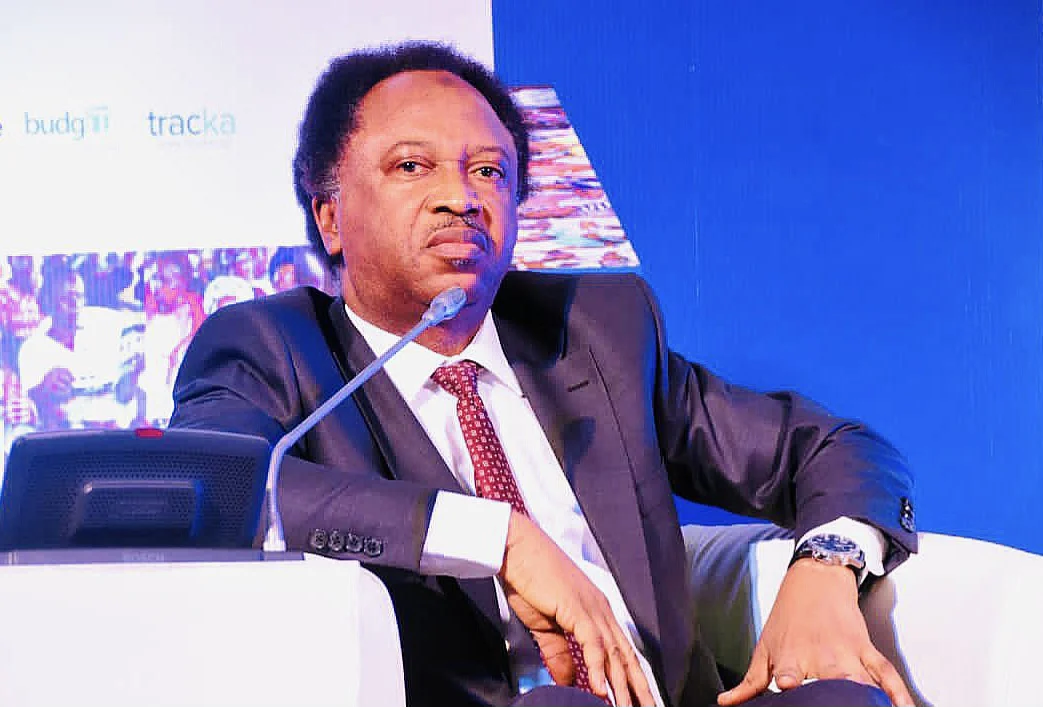
Nigeria’s opposition strategy ahead of the 2027 general elections, former Senator Shehu Sani has urged that the next presidential candidate from the opposition coalition should emerge from the South-West region. The outspoken former lawmaker and human rights activist made this declaration on Monday during a press conference at his Kaduna residence, emphasizing that the call is grounded in the principles of fairness, equity, and justice.
“If there should be another presidential candidate from the opposition, that candidate should be from the South-West because that is equity, justice, and that is fairness,” Sani said. His statement resonates amid rising debates on regional representation and power rotation in Nigeria’s complex political landscape.
The call comes at a time when key opposition figures, predominantly from the North—including former Vice President Atiku Abubakar, ex-Kaduna State Governor Nasir El-Rufai, and former Secretary to the Government of the Federation Babachir Lawal—are positioning themselves as central players in the realignment of opposition forces.
Sani’s stance marks a notable shift from the traditional North-dominated opposition leadership. He criticized the previous administration’s heavy northern representation in key national security roles, arguing that it failed to deliver stability or peace in the region.
Over 450,000 Nigerians Apply For Less Than 10,000 Civil Service Positions
“Under the last administration, all heads of the security apparatus were from Northern extraction,” he said. “They never stopped terrorism in the North, they never stopped banditry in the Northwest, and they never stopped killings in Benue state, in Plateau, and most parts of the North Central states.”
Southwest Should Lead Opposition Ticket for Equity, Says Shehu Sani
This argument forms the core of Sani’s call for regional balance. By advocating a presidential candidate from the South-West, he suggests a recalibration of Nigeria’s political equation, one that reflects inclusion and genuine federal representation. His comments appear strategically timed as various opposition factions consider their next moves against the backdrop of growing dissatisfaction with the current administration.
Sani’s remarks also indirectly touch on recent developments in opposition rhetoric. Nasir El-Rufai recently declared that the opposition would work to unseat President Bola Tinubu in 2027. This assertive political goal comes amid increasing criticism of Tinubu’s policies, especially regarding economic hardship and governance issues.
Former Vice President Atiku Abubakar, another influential Northern figure in the opposition, escalated tensions over the weekend when he described himself as “a conspirator” against the Tinubu administration. Atiku accused the government of weaponizing poverty, suggesting that hardship is being used as a tool to suppress political dissent and weaken the populace.
Sani’s intervention could potentially split opinion within the opposition. While some may view his position as a unifying call for justice and regional fairness, others might see it as an attempt to sideline prominent Northern opposition leaders who have historically held sway in national elections. This dynamic introduces a new layer of complexity as the opposition plots its path toward 2027.
Analysts suggest that Sani’s call is both symbolic and strategic. The South-West has often played a critical role in Nigerian politics, being a politically conscious and electorally significant region. Supporting a candidate from this zone may also appeal to voters beyond ethnic or regional lines, especially if packaged with a strong reformist agenda.
However, the opposition coalition is still in flux. While shared dissatisfaction with the Tinubu administration provides common ground, internal divisions along regional and ideological lines remain unresolved. How the coalition navigates these fault lines—particularly the question of zoning—will determine its cohesion and electability in 2027.
Sani’s proposal places the spotlight on political inclusion, urging the opposition to embrace a more equitable leadership model. Whether his vision will gain traction within the coalition remains uncertain. What is clear, however, is that his message adds a significant voice to the conversation about Nigeria’s future leadership and the balancing of regional interests in its democracy.











Leave a Comment
Your email address will not be published. Required fields are marked with *