
Shettima Unveils $25 Billion Undersea Gas Pipeline to Europe, Touts Nigeria’s Energy Potential Nigeria has taken a major step toward reshaping its energy future with the announcement of a bold $25 billion undersea gas pipeline project. Vice President Kashim Shettima revealed the ambitious Nigeria-Morocco Gas Pipeline initiative during a high-level meeting on Monday at
Shettima Unveils $25 Billion Undersea Gas Pipeline to Europe, Touts Nigeria’s Energy Potential
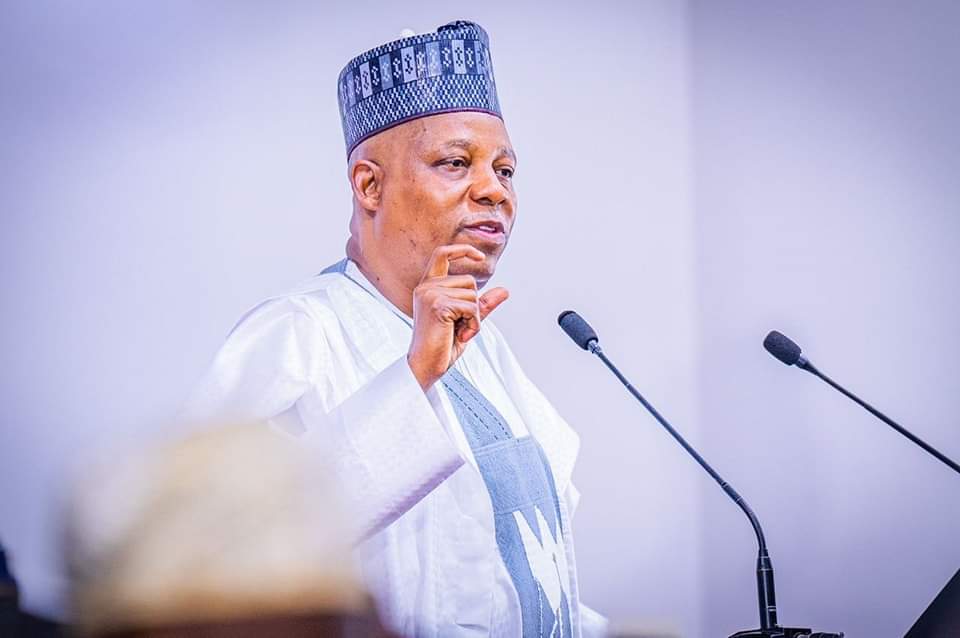
Nigeria has taken a major step toward reshaping its energy future with the announcement of a bold $25 billion undersea gas pipeline project. Vice President Kashim Shettima revealed the ambitious Nigeria-Morocco Gas Pipeline initiative during a high-level meeting on Monday at the Presidential Villa in Abuja. The project aims to channel Nigerian natural gas through the West African coastline to Morocco and eventually into Europe—creating one of the most expansive energy routes on the continent.
The announcement was made during a strategic engagement with executives from Vitol Group, the world’s largest independent commodity trading company. Vice President Shettima emphasized the significance of the project as both a commercial and diplomatic opportunity, calling on international investors and technical experts to partner with Nigeria in what he described as a transformative journey for the country’s gas industry.
Shehu Sani Advocates For South-West Presidency In 2027 Opposition Bid
“It is an expensive venture requiring about $25 billion and, of course, the technical expertise. We need you more for your technical expertise than for your money,” Shettima told Vitol’s delegation. “Gas supply stability counts, and that is why we are exploring the option of an undersea gas pipeline to Europe.”
Nigeria Positions Itself as Gas Giant with Ambitious Transcontinental Project
This massive infrastructure project is a cornerstone of Nigeria’s energy diplomacy and part of a broader strategy to reposition the country as a global gas powerhouse. Nigeria currently holds the world’s eighth-largest proven gas reserves, yet much of this resource remains underutilized. With the world transitioning away from oil toward cleaner and more reliable energy sources, Shettima argued that the time is ripe for Nigeria to lead the charge.
“Our economy is gas-based, not oil-based,” he stressed. “The Nigeria Liquefied Natural Gas Limited (NLNG) has been largely insulated from government interference. What we are getting from the NLNG is so predictable. This is why we are seriously exploring the option of taking our gas to Europe.”
In his remarks, the Vice President painted a picture of a more stable and transparent energy sector that stands in contrast to the uncertainties of global markets. He credited President Bola Ahmed Tinubu’s sweeping reforms for creating an environment that is more welcoming to international investors. These reforms include the removal of the fuel subsidy, the unification of multiple exchange rates, and significant tax policy adjustments.
“In the past 25 years, we have not had a leader who has the courage to take far-reaching decisions as he has taken,” Shettima said, adding that these steps have placed Nigeria on a “new trajectory.”
He described the Nigerian energy sector as “a beacon of stability and transparency,” and called on Vitol Group to support the gas pipeline project by mobilizing resources and sharing technical know-how. “We urge you to use your influence, contacts, and goodwill to mobilise resources for this project. It will be a completely transparent management structure,” Shettima assured.
The response from Vitol Group was equally enthusiastic. Jeffrey Dellapina, the company’s Chief Financial Officer, affirmed the group’s long-standing relationship with Nigeria and reiterated its commitment to continued investment.
“This has been an incredibly close and important country for Vitol for a very long time,” Dellapina stated. “We have participated in a lot of things from downstream, financing, trading, and government support. We want to stay in this country and evolve with you.”
Murtala Baloni, Vitol’s Head of Public Affairs, also highlighted the favorable business environment currently being experienced by the company in Nigeria, further strengthening prospects for deeper collaboration.
As Nigeria advances this historic undersea pipeline, the country is not only targeting energy markets but also aiming to reinforce its strategic importance in global geopolitics. If successful, the Nigeria-Morocco Gas Pipeline will connect over a dozen African countries and serve as a major supply line to Europe, which is actively seeking alternatives to Russian gas.
The project signals a defining moment in Nigeria’s energy narrative—moving from a crude oil-dependent economy to a gas-centric industrial powerhouse. With firm backing from the current administration and growing international interest, the dream of exporting Nigerian gas to European households and industries via an undersea pipeline might soon become reality.

















Leave a Comment
Your email address will not be published. Required fields are marked with *