
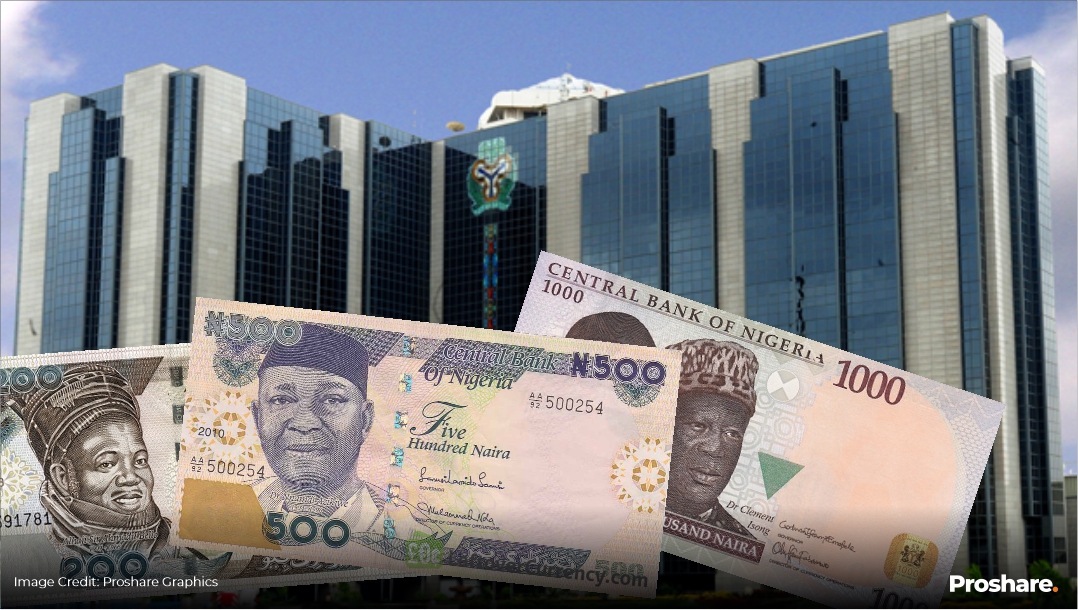
States Borrow N458bn in First Half of 2025 Amid Soaring Debt Servicing Burden At least 20 states in Nigeria borrowed a combined sum of about N458bn in the first half of 2025, according to findings by Saturday PUNCH. This borrowing spree comes at a time when state governments are grappling with a sharply rising external
States Borrow N458bn in First Half of 2025 Amid Soaring Debt Servicing Burden
At least 20 states in Nigeria borrowed a combined sum of about N458bn in the first half of 2025, according to findings by Saturday PUNCH. This borrowing spree comes at a time when state governments are grappling with a sharply rising external debt servicing bill, largely driven by the depreciation of the naira and the weight of dollar-denominated obligations.
Collectively, states spent N235.58bn on external debt servicing between January and June 2025. This figure marks a staggering increase of 68.4 per cent compared to the N139.92bn spent during the same period in 2024. Experts say the rise highlights the growing fiscal pressures on state treasuries, as every dip in the naira’s value inflates the cost of debt repayment.
PENGASSAN Accuses Dangote Refinery Of Unjustly Sacking 800 Nigerian Workers
Higher Allocations, Yet More Borrowing
Data from the National Bureau of Statistics (NBS) reveals that the Federal Account Allocation Committee (FAAC) shared a total of N10.13 trillion among the federal, state, and local governments in the first half of 2025. This amount included statutory revenue, Value Added Tax, Electronic Money Transfer Levy, and exchange rate differentials.
From this pool, the states received N3.425tn, representing a 42.96 per cent jump from the N2.396tn disbursed in the same period of 2024. A month-by-month breakdown shows a sharp increase in state allocations this year:
- January 2025: N590.6bn (up from N379bn in January 2024)
- February 2025: N562.19bn (vs N366.9bn)
- March 2025: N530.45bn (vs N396.8bn)
- April 2025: N556.74bn (vs N403bn)
- May 2025: N577.84bn (vs N388.4bn)
- June 2025: N607bn (vs N461.97bn)
Despite this significant rise in inflows, budget implementation reports show that 20 states still resorted to fresh loans to finance their expenditures. Collectively, they secured N457.66bn in both foreign and domestic borrowings during the six-month period.
The Biggest Borrowers
Leading the list of states that turned to loans in H1 2025 is Oyo State, which took out a N93.4bn domestic loan. Kaduna State followed closely with a N62bn foreign loan, while Lagos State borrowed N50bn domestically.
Other states also turned to external sources, with significant foreign loans reported:
- Zamfara: N28bn
- Katsina: N20.7bn
- Gombe: N20.3bn
- Jigawa: N10.98bn
- Kebbi: N7.4bn
Several states combined both domestic and foreign loans. Bauchi took a total of N26.3bn, while others relied exclusively on external borrowing:
- Borno: N18.2bn
- Taraba: N18.7bn
- Sokoto: N15bn
- Niger: N25.8bn
- Kwara: N2.18bn
- Ekiti: N19.8bn
The list also included Ondo (N5.6bn), Abia (N7bn), Ebonyi (N10.9bn), and Enugu (N10.7bn), underscoring the widespread reliance on foreign borrowing across different regions.
Mounting Fiscal Risks
Analysts are warning that the persistent dependence on foreign loans could expose state governments to even greater financial vulnerabilities. With most debts being dollar-denominated, the fall of the naira directly worsens repayment obligations.
Professor Taiwo Owoeye, an economist at Ekiti State University, explained that every round of depreciation means states must dedicate more of their allocations to meet debt service obligations.
“Since most of the debts are dollar-denominated, every depreciation of the local currency automatically inflates repayment obligations, forcing states to channel a larger share of their revenues into debt servicing at the expense of development projects,” he said.
Beyond repayment pressures, Owoeye stressed that excessive reliance on external borrowing undermines the financial autonomy of states.
“By taking on more foreign obligations, many states risk mortgaging future federal allocations to meet repayment schedules, leaving them with little room to respond to emergencies or fund critical sectors such as health, education, and infrastructure,” he added.
The Debt Trap Dilemma
Observers note that while loans provide immediate relief for financing gaps, the long-term consequences are dire. A combination of rising debt servicing costs and inadequate revenue mobilisation has trapped many states in a cycle of borrowing to pay off old debts.
The fact that states borrowed nearly N458bn in just six months despite recording higher FAAC inflows highlights how weak internally generated revenue (IGR) frameworks are across most states. With limited tax bases and over-reliance on federal allocations, state governments are increasingly vulnerable to external economic shocks.
Implications for Development
The steep rise in debt servicing means less money is available for capital projects that directly improve the lives of citizens. Analysts warn that critical investments in healthcare, education, agriculture, and infrastructure may continue to suffer setbacks if the trend persists.
Already, some states have been accused of prioritising recurrent expenditure, such as salaries and administrative costs, over capital investments. Borrowing in such contexts often leads to debt accumulation without tangible improvements in citizens’ welfare.
Furthermore, the influx of foreign loans raises questions about intergenerational equity, as future administrations will inherit repayment obligations that could limit fiscal flexibility for decades.
The Way Forward
Economists and financial experts recommend a multi-pronged approach to help states manage their finances more sustainably. Key strategies include:
- Strengthening IGR: States must expand their tax bases by formalising more businesses, improving compliance, and leveraging technology to plug leakages.
- Prudent Borrowing: Loans should only be secured for viable projects with clear economic returns, rather than for recurrent expenses.
- Debt Restructuring: Negotiating better repayment terms or refinancing high-cost loans could ease immediate pressures.
- Diversification: States heavily reliant on federal allocations should diversify into agriculture, manufacturing, and services to generate independent income.
Without such reforms, experts warn, the debt spiral could worsen, leaving states with shrinking fiscal space and deepening dependency on federal bailouts.
The revelation that 20 Nigerian states borrowed N458bn in the first half of 2025 despite enjoying higher allocations from FAAC underscores the fragile state of subnational finances. While external borrowing has offered a short-term cushion, the steep rise in debt servicing and the weakening naira present serious risks to fiscal sustainability.
Unless states take deliberate steps to strengthen internally generated revenue, manage borrowing prudently, and invest in productive sectors, they may find themselves trapped in an endless cycle of debt repayment that erodes development prospects and undermines the welfare of their citizens.











Leave a Comment
Your email address will not be published. Required fields are marked with *