
Telcos Threaten to Withdraw USSD Support Over Bank Debt and Billing Dispute Nigeria’s major telecommunications providers—MTN Nigeria, Airtel, Globacom, and 9Mobile—have raised the alarm over a brewing conflict with commercial banks regarding Unstructured Supplementary Service Data (USSD) charges. The telcos, through their umbrella body, the Association of Licensed Telecom Operators of Nigeria (ALTON), have warned
Telcos Threaten to Withdraw USSD Support Over Bank Debt and Billing Dispute
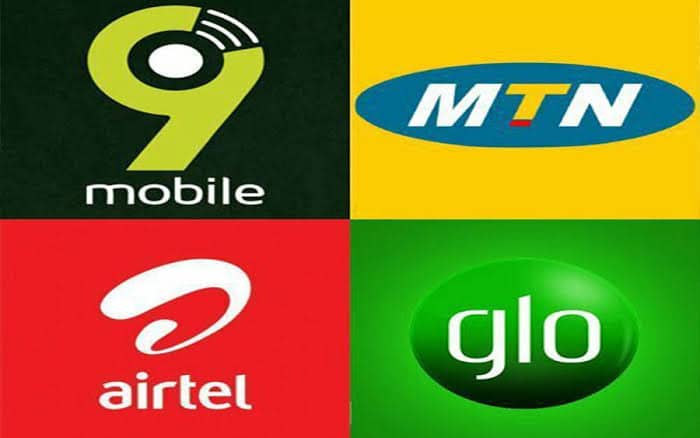
Nigeria’s major telecommunications providers—MTN Nigeria, Airtel, Globacom, and 9Mobile—have raised the alarm over a brewing conflict with commercial banks regarding Unstructured Supplementary Service Data (USSD) charges. The telcos, through their umbrella body, the Association of Licensed Telecom Operators of Nigeria (ALTON), have warned that they may withdraw network support for banks’ USSD services if ongoing disputes over billing transparency and unpaid debts are not resolved.
USSD banking, commonly used for quick bank transactions via short mobile codes, has been at the center of tension between the telecom and banking sectors, primarily due to disagreements on who should bear transaction costs and how charges are communicated to subscribers.
Amaechi Alleges Bias In INEC, Questions Yakubu’s Credibility Compared To Jega
Telcos Challenge Banks’ Interpretation of Billing Changes
The latest dispute erupted following an announcement from Nigerian banks informing customers that the Nigerian Communications Commission (NCC) had directed that USSD charges would no longer be debited from bank accounts. Instead, starting June 3, 2025, the charges would be deducted directly from mobile phone airtime.
“In line with the directive of the Nigerian Communications Commission (NCC), please be informed that effective June 3, 2025, charges for USSD banking services will no longer be deducted from your bank account,” a joint notice from multiple banks stated. They added that customers would now be charged ₦6.98 per 120 seconds, deducted from airtime balances, in accordance with the NCC’s End-User Billing (EUB) model.
However, telcos have accused the banks of misrepresenting the facts. According to ALTON Chairman Engr. Gbenga Adebayo, the announcement by banks was misleading and omitted key details of a regulatory agreement involving both the NCC and the Central Bank of Nigeria (CBN).
Debt and Dual Billing at the Core of the Dispute
Engr. Adebayo clarified that the change in billing model was never an exclusive directive from the NCC, but rather a consensus agreement reached jointly by the NCC, CBN, telecom operators, and banks. One of the central conditions of the agreement was that banks must clear their outstanding debts to telcos for past USSD usage by June 2, 2025, before the new billing model could be implemented.
“I don’t understand why the banks are twisting agreements and distorting information to favour their selfish interests,” Adebayo told Vanguard. He noted that while some banks have settled their debts, the majority have not. As such, the planned shift to End-User Billing cannot proceed as intended.
Moreover, telcos are wary of any implementation that might result in customers being double-billed—once from their airtime and again from their bank accounts—for the same USSD transactions. The insistence on a transparent and agreed-upon migration process was meant to prevent this scenario, Adebayo emphasized.
Telcos Consider Withdrawing USSD Support
In light of what they consider a breach of trust and miscommunication by the banks, telecom operators are now threatening to take drastic action by pulling their support for USSD banking services entirely.
“Our position now is that if that is the way the banks want to treat the agreement, we may withdraw support for their USSD services. It is not a must-have. They can do without it. But, they should clear the debts as agreed,” Adebayo warned.
This stance signals a potential disruption for millions of Nigerians who rely on USSD services, especially in rural areas or regions with limited internet access. It also highlights the deep-rooted tensions between key players in Nigeria’s financial and telecommunications sectors over who bears the burden of operational costs and how end-users should be charged.
Consumer Concerns and Regulatory Silence
As banks and telcos continue their standoff, customers find themselves in the middle—confused and uncertain. The announcement from banks raised alarms for many, with concerns over transparency, potential double billing, and the real motive behind the shift in charging model.
So far, neither the NCC nor the CBN has issued a public clarification, despite being parties to the agreement. This regulatory silence risks worsening public confusion and undermining consumer trust in the financial ecosystem.
Until these issues are addressed, the future of USSD banking in Nigeria hangs in the balance. Should the telecom companies follow through on their threat, the digital divide may deepen, affecting financial inclusion efforts across the country.












Leave a Comment
Your email address will not be published. Required fields are marked with *