
Tinubu Appoints Leadership for New Regional Development Commissions, Senate Advances Tax Reform Bills In a significant move toward regional empowerment and national economic reform, President Bola Ahmed Tinubu has approved the appointment of key officials to head the newly established regional development commissions. The strategic appointments, which cut across the South-South, South-West, and North-Central regions,
Tinubu Appoints Leadership for New Regional Development Commissions, Senate Advances Tax Reform Bills
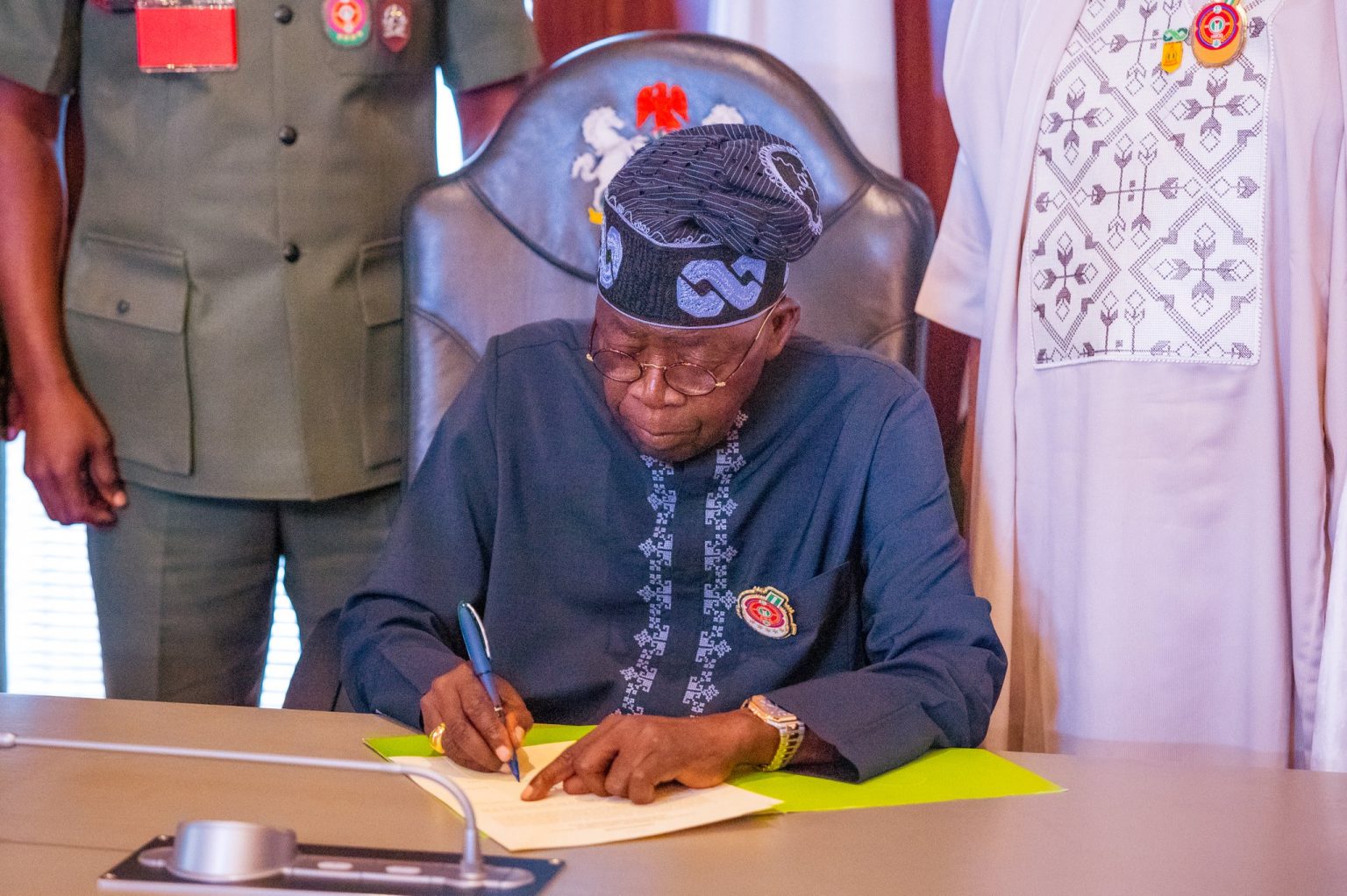
In a significant move toward regional empowerment and national economic reform, President Bola Ahmed Tinubu has approved the appointment of key officials to head the newly established regional development commissions. The strategic appointments, which cut across the South-South, South-West, and North-Central regions, aim to drive grassroots development through region-specific policies and programs.
Bill Gates To Donate 99% Of Wealth, Shut Down Foundation By 2045
Appointments Signal Strategic Regional Development Push
Focusing on the letter “A” as the central keyword, the appointments are anchored in Tinubu’s ambition to accelerate development in all parts of Nigeria. Miss Usoro Akpabio, a seasoned administrator with deep ties to the Niger Delta, has been appointed as the Managing Director of the South South Development Commission (SSDC). Alongside her, former federal lawmaker Chibudom Nwuche has been named chairman of the commission.
In the Southwest, Dr. Charles Akinola will lead the South West Development Commission (SWDC) as managing director. He brings with him years of public sector experience and a background in policy strategy. Complementing his leadership is the appointment of Senator Olubunmi Adetunmbi as Chairman, a move expected to enhance the commission’s political and developmental coordination.
For the North Central Development Commission, the President named Barrister Cyril Tsenyil as Managing Director. Tsenyil’s legal expertise and track record in governance are expected to provide a strong foundation for the commission’s objectives. Accompanying him is Cosmas Akiyir, who will serve as Chairman, bringing regional insight and leadership into play.
These appointments, which are subject to Senate confirmation, were formally communicated to the legislature in a letter read during plenary on Thursday. The letter outlined the President’s rationale for the appointments and urged swift confirmation to ensure the commissions begin operations without delay.
A New Era of Development: Advancing Administrative Goals
The creation and staffing of regional development commissions align with President Tinubu’s broader administrative agenda aimed at decentralizing development and allowing regions to tailor projects and policies to their unique challenges. These bodies are expected to work on improving infrastructure, boosting local economies, and managing natural resources more efficiently.
The emphasis on these regional bodies also suggests a shift toward a more inclusive governance model, where development is driven not just from the federal level but through empowered regional entities. It is a move analysts say could bring long-awaited progress to underserved areas, particularly if the commissions operate transparently and remain insulated from political interference.
Senate Passes Final Set of Tax Reform Bills
In tandem with the appointments, the Senate has completed legislative action on a quartet of tax reform bills submitted by President Tinubu’s administration. The four bills, which were passed over the course of two days—Wednesday and Thursday—are designed to overhaul and modernize Nigeria’s tax system.
The bills include:
- Joint Revenue Board Establishment Bill
- Nigeria Revenue Service Establishment Bill
- Nigeria Tax Administration Bill
- Nigeria Tax Bill
These reforms are poised to transform the country’s tax landscape by making it more efficient, transparent, and better suited for modern economic realities. Following the Senate’s passage, the bills will now proceed to a joint harmonization committee between the Senate and the House of Representatives, after which they will be presented to the President for assent.
Aligning Legislation with Economic Ambitions
The dual milestones of regional appointments and tax reforms reflect a cohesive strategy by the Tinubu administration to stimulate growth and broaden economic inclusion. The administration aims to drive revenue generation while ensuring that the benefits of economic reform reach all corners of the nation.
Political observers note that Tinubu’s approach combines administrative pragmatism with legislative collaboration, highlighting his intent to maintain momentum on both governance and policy reform fronts.
As these commissions commence operations and the tax reforms move toward implementation, all eyes will be on how effectively these efforts translate into tangible improvements in the lives of Nigerians. The success of these initiatives will likely serve as a benchmark for the administration’s ability to deliver on its development promises.













Leave a Comment
Your email address will not be published. Required fields are marked with *