
Wave of Bandit Attacks Forces Over 20 Villages to Flee in Sokoto State A renewed wave of violence linked to the infamous bandit kingpin, Bello Turji, has triggered a mass exodus of residents from over 20 villages in Sokoto State, throwing the region into chaos and deepening its humanitarian crisis. The latest attacks, reportedly carried
Wave of Bandit Attacks Forces Over 20 Villages to Flee in Sokoto State
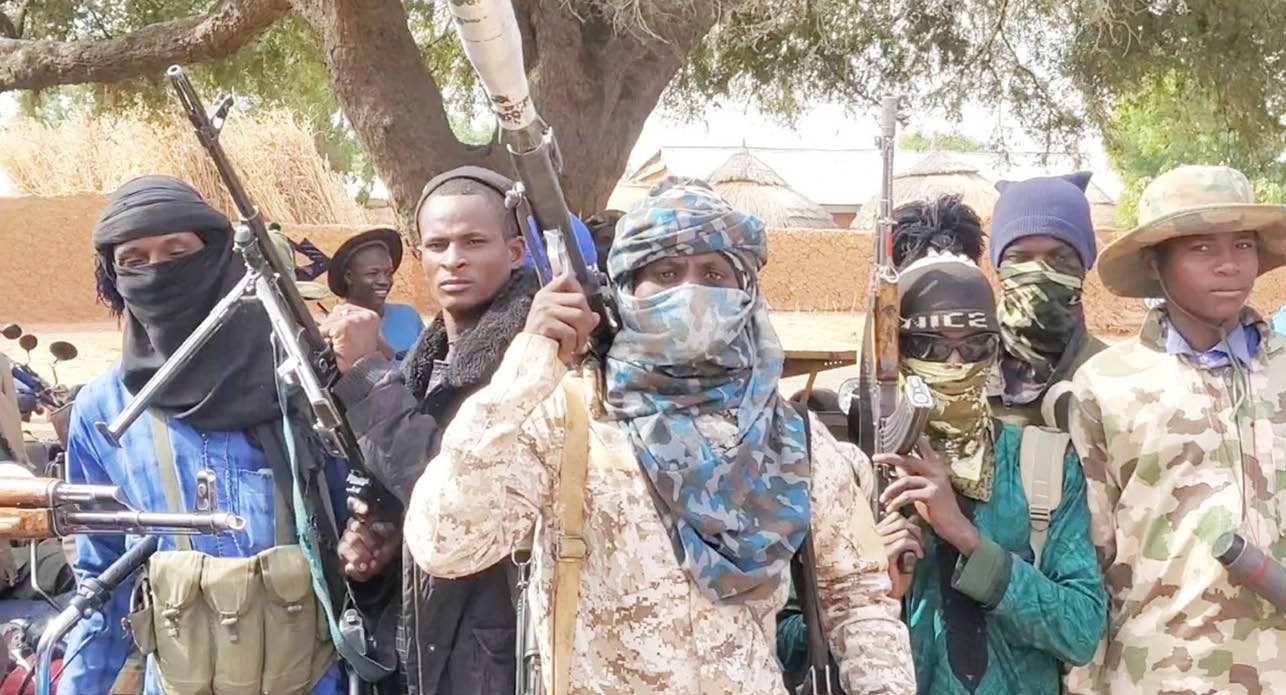
A renewed wave of violence linked to the infamous bandit kingpin, Bello Turji, has triggered a mass exodus of residents from over 20 villages in Sokoto State, throwing the region into chaos and deepening its humanitarian crisis. The latest attacks, reportedly carried out by Turji’s loyalists, have forced hundreds of villagers to abandon their homes and seek refuge in the town of Gatawa, located in Sabon Birni Local Government Area.
According to multiple sources, the displaced villagers have been pouring into Gatawa over the last few days, overwhelmed by fear and uncertainty. Many now live in overcrowded conditions, with some hosted by relatives and others taking shelter in public schools hastily converted into temporary camps.
Presidency Dismisses AfDB President’s Claim That Nigerians Were Better Off In 1960
Escalating Violence in Eastern Sokoto
In a phone interview with Punch, a resident of Gatawa, Mallam Saminu, confirmed that the influx of displaced people has continued to rise amid ongoing threats from the bandits.
“Yes, it is true. People from many villages around Gatawa have been displaced and have come here to seek refuge,” he said. “Some are staying with relatives in town, while others have been sheltered in two secondary schools—one near the military camp and another within the town.”
The affected villages include Makira, Shabanza, Katsalle, Dan Kura, Garin Tunkiya, Dama, Dan Tazako I, II, and III, as well as Gaugai and several smaller settlements. Residents say the attackers, who operate under the command of one of Bello Turji’s top lieutenants, have intensified their raids in recent weeks, looting property, burning homes, and abducting villagers.
Security Operations Struggle to Contain Turji’s Network
The situation has once again highlighted the ongoing security vacuum in the eastern part of Sokoto State, a region that has remained under the shadow of relentless banditry for years. Despite multiple military offensives and assurances from authorities, communities in Sabon Birni and Isa LGAs continue to suffer repeated attacks.
Bello Turji, one of the most feared names in Nigeria’s northwest insurgency landscape, is believed to command a well-armed militia that operates across parts of Sokoto, Zamfara, and Niger Republic. While security forces have occasionally claimed victories over his network, the latest attacks suggest the group remains potent and emboldened.
Residents blame the slow response of security personnel and poor infrastructure in the area for the sustained attacks. “Sometimes the bandits operate for hours without resistance,” one villager said anonymously. “We are left to defend ourselves with no weapons while they carry sophisticated rifles.”
Humanitarian Crisis Deepens
With over 20 villages now depopulated, the humanitarian impact of the displacement is becoming increasingly severe. Gatawa, a relatively small town, is struggling to accommodate the surge in displaced persons. Basic amenities such as food, water, and healthcare are overstretched, and the temporary shelters in schools are fast reaching capacity.
Local leaders and residents have called on the state and federal governments to respond urgently by providing relief materials, deploying more troops, and restoring peace to the embattled communities.
“People are sleeping on floors, and there is little food or clean water,” said a community volunteer. “We need immediate government intervention. These people are traumatized and have nowhere else to go.”
Government Response Awaited
As of the time of this report, there has been no official statement from the Sokoto State Government or the Nigerian military regarding the latest displacement crisis. However, sources close to the state emergency management agency indicate that efforts are underway to assess the situation and deliver relief to the affected population.
Meanwhile, civil society groups and humanitarian organizations are urging a coordinated response to prevent the situation from escalating further. “This is not just a security problem—it’s a humanitarian emergency,” one aid worker told News. “If help doesn’t arrive quickly, we may be looking at a full-blown disaster.”
Call for Long-term Solutions
Analysts have long warned that short-term military deployments are not sufficient to address the root causes of banditry in northwestern Nigeria. Issues such as poverty, weak governance, porous borders, and arms proliferation have all contributed to the worsening security landscape.
In the case of Bello Turji’s group, there have also been reports of community infiltration, where some locals are coerced or enticed into aiding the bandits either out of fear or financial gain.
Residents say they want lasting peace, not temporary ceasefires. “We cannot keep living like this—running from our homes, abandoning our farms, and watching our children grow up in fear,” said another displaced villager. “We need peace, not promises.”
As thousands continue to live in fear, all eyes are now on the federal and state authorities to provide not just aid, but also a concrete security strategy that can break the cycle of displacement and restore confidence among rural communities.




















Leave a Comment
Your email address will not be published. Required fields are marked with *