
24000 jobs to be created by CNG trucks Dangote debunks job loss claims Africa’s richest man and President of Dangote Group, Aliko Dangote, has dismissed claims that the Dangote Petroleum Refinery’s operations will lead to widespread job losses in Nigeria’s petroleum sector. Speaking on Monday at a press conference inside the refinery complex, Dangote addressed
24000 jobs to be created by CNG trucks Dangote debunks job loss claims
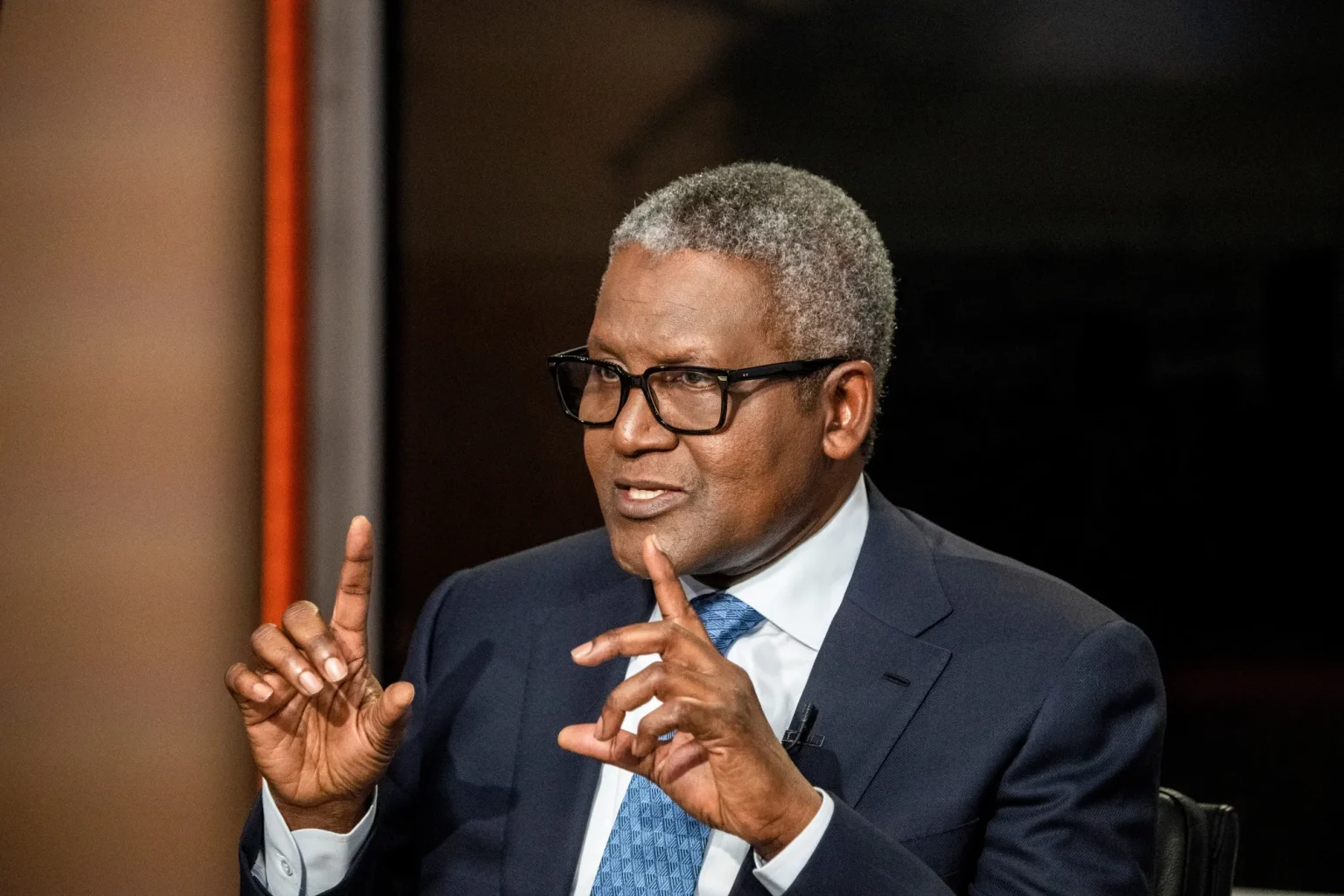
Africa’s richest man and President of Dangote Group, Aliko Dangote, has dismissed claims that the Dangote Petroleum Refinery’s operations will lead to widespread job losses in Nigeria’s petroleum sector. Speaking on Monday at a press conference inside the refinery complex, Dangote addressed the ongoing dispute with the Nigeria Union of Petroleum and Natural Gas Workers (NUPENG), insisting that his company is creating new employment opportunities rather than displacing workers.
The controversy emerged after NUPENG alleged that the company’s deployment of thousands of trucks for nationwide fuel distribution posed a threat to unionized workers and could erode existing jobs. The union staged a strike earlier this month before suspending the action.
Dangote, however, categorically rejected these claims, stressing that the acquisition of compressed natural gas (CNG) trucks will open up thousands of new jobs across multiple sectors of the economy.
Oyo APC Accuses Assembly Of Plot Against Lawmaker Over ₦300bn Loan Dispute
Dangote: “We Are Creating, Not Taking Jobs”
According to the billionaire, the deployment of 4,000 CNG-powered trucks will directly create at least 24,000 jobs nationwide.
“We have not displaced any jobs; we are creating many more. The CNG trucks will not be operated by robots,” Dangote said.
He highlighted that the company’s new logistics scheme was designed not only to expand fuel distribution capacity but also to provide sustainable employment for Nigerians at competitive standards.
“Our employees earn salaries three times the minimum wage. Our drivers receive a living wage, life insurance, health insurance covering themselves, their spouses, and up to four children, as well as a lifelong pension,” he explained.
He also noted that the new fleet would require an entire ecosystem of support staff, including mechanics, fleet managers, and other skilled professionals, thereby multiplying employment opportunities.
Strengthening Distribution and Cutting Costs
Dangote Refinery had first announced the acquisition of the 4,000 trucks on June 15, describing it as a strategic investment aimed at boosting its fuel distribution network across the country.
Two weeks later, on June 29, the refinery revealed that its new petroleum products distribution system would save Nigeria over ₦1.7 trillion annually by reducing inefficiencies, cutting down on import costs, and streamlining transportation.
Industry analysts noted that the move represents a shift toward CNG-powered vehicles at a time when Nigeria is grappling with high fuel costs and a fragile energy infrastructure.
NUPENG’s Opposition
Despite these assurances, the Nigeria Union of Petroleum and Natural Gas Workers raised concerns about what it described as “anti-union practices” by Dangote Refinery. On September 8, NUPENG declared a nationwide strike, alleging that the company’s policies threatened the livelihood of petroleum workers.
The industrial action, which lasted two days, caused significant disruptions in some parts of the country before it was suspended on September 9 after negotiations.
Union leaders argued that the refinery’s approach undermined existing workforce arrangements, particularly in the distribution sector, where independent marketers and truck operators have traditionally dominated.
Dangote’s Response to Union Concerns
Addressing the union dispute, Dangote reassured that his company values workers’ rights and is committed to fair labour practices.
“We respect the role of unions, but our responsibility is also to innovate and grow the economy. In doing so, we will not trample on workers’ rights. Instead, we will ensure every Nigerian benefits from the opportunities our refinery and logistics systems provide,” he said.
He emphasised that the refinery, Africa’s largest of its kind, was designed as a catalyst for industrial growth and job creation, not as a threat to existing labour structures.
Broader Economic Implications
The Dangote Petroleum Refinery, which began operations earlier this year, is widely seen as a game-changer for Nigeria’s energy and economic landscape. With a capacity to refine 650,000 barrels of crude oil per day, the facility is expected to drastically reduce Nigeria’s dependence on imported petroleum products.
The introduction of the CNG truck fleet is also aligned with Nigeria’s drive toward cleaner energy sources and more cost-effective fuel alternatives. By reducing reliance on diesel-powered vehicles, the trucks are expected to lower operational costs, reduce carbon emissions, and improve efficiency in the downstream petroleum sector.
Economists argue that the 24,000 jobs projected by Dangote could provide much-needed relief in a country battling high unemployment and inflation. They also note that the multiplier effect of the logistics scheme could extend into related sectors such as vehicle maintenance, spare parts, insurance, and roadside services.
Looking Ahead
While Dangote’s assurances may calm some fears, labour tensions remain a potential flashpoint. NUPENG has not withdrawn its concerns entirely, and industry observers caution that further dialogue will be necessary to harmonize the refinery’s operations with union demands.
For Dangote, however, the message is clear: his refinery and distribution plans represent opportunities, not threats. “We are not displacing jobs,” he reiterated. “We are building an ecosystem where more Nigerians can find sustainable employment, and where our country can save resources that should never have been wasted on fuel imports.”
As the refinery continues to expand its operations, attention will now shift to how the jobs promised by Dangote materialize on the ground, and whether the company can strike a balance between innovation and inclusivity in Nigeria’s volatile labour environment.












Leave a Comment
Your email address will not be published. Required fields are marked with *