
As Killings Persist, 11 Nigerian States Embrace Ranching While Others Remain Cautious Amid a surge in deadly herder-farmer clashes, particularly in Benue and Plateau states, a growing number of Nigerian states are turning to ranching as a long-term solution. At least 11 states—including Lagos, Plateau, Zamfara, and Anambra—have begun or pledged support for ranching systems
As Killings Persist, 11 Nigerian States Embrace Ranching While Others Remain Cautious
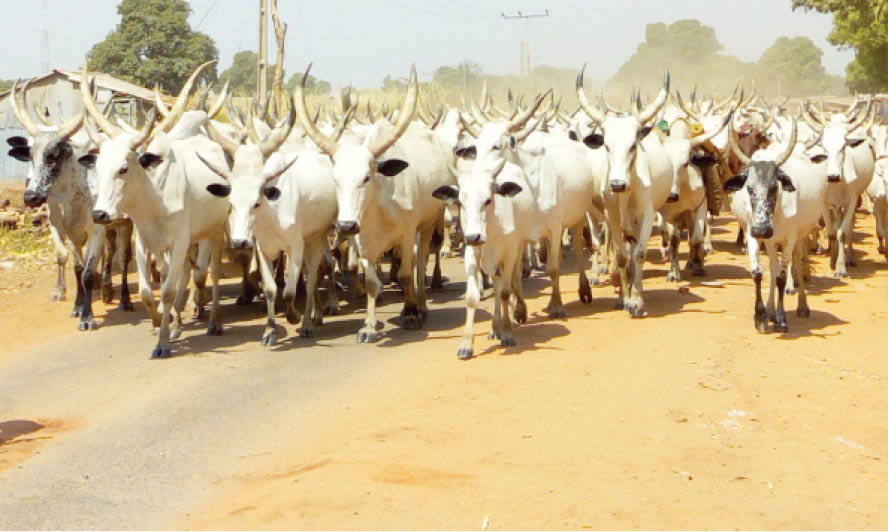
Amid a surge in deadly herder-farmer clashes, particularly in Benue and Plateau states, a growing number of Nigerian states are turning to ranching as a long-term solution. At least 11 states—including Lagos, Plateau, Zamfara, and Anambra—have begun or pledged support for ranching systems aimed at ending open grazing and curbing associated violence.
This shift comes in the wake of renewed bloodshed, with over 200 people killed in Benue’s Yelewata village alone in June 2025. In response, President Bola Tinubu condemned the massacre as a “land-grabbing” attack and directed top security officials to pursue and apprehend the perpetrators.
While some states are moving swiftly to allocate land for ranching infrastructure, others—such as Adamawa and Bayelsa—remain cautious, seeking clarity and collaboration before committing. Meanwhile, farmers and rights activists are raising questions over the fairness of asking states to donate land for what they argue is a private business interest.
Benue’s Bleeding Heart: Lessons From Mali As Nigeria Faces A Growing Crisis
Ranching Gains Ground: Eleven States Lead the Way
States at the forefront of the ranching initiative include Lagos, Plateau, Ondo, Zamfara, Bauchi, Delta, Niger, Kano, Jigawa, Nasarawa, and Anambra. These states are either implementing ranching projects, setting up policies to guide them, or offering land for future development.
In Lagos, Permanent Secretary at the Ministry of Agriculture, Emmanuel Audu, confirmed that the state had begun its ranching project over three years ago. “We are already putting infrastructure in place,” he said, adding that the state intends to lease ranch space to private sector stakeholders. He also emphasized that Lagos has an active anti-open grazing law that criminalizes cattle roaming within city boundaries.
Lagos residents have also shown overwhelming support for ranching. Emmanuel Sanusi, a Surulere resident, noted the system’s sustainability and safety. Political activist Ayoyinka Oni added that cattle owners should be required to purchase sufficient grazing land rather than expect government donations.
Similarly, in Anambra, Commissioner for Information Dr. Law Mefor reaffirmed the state’s support for ranching, rooted in the 2021 anti-open grazing law. He explained that the legislation aims to regulate livestock movement and promote structured cattle farming.
Despite government backing, not all Anambra residents are on board. Lawyer and rights activist Dr. Okey Ifeanyi argued that ranching remains a private business and states should not be compelled to provide land for it. Onitsha resident Chief Osita Odinaka echoed the sentiment, stating, “Ranching is better than open grazing, but donating public land for private ventures is a step too far.”
Ondo, Zamfara, Nasarawa Embrace Ranching Plans
In Ondo State, which banned open grazing in 2020, the government operates two ranches—one under state control and another managed by O’dua Investment Company. Governor Aiyedatiwa’s Senior Special Assistant on Agri-business, Akinsola Wemimo, confirmed that the Federal Government has not requested land yet but said the state is open to investment in ranching.
Zamfara State, one of the hardest-hit by herder-farmer clashes, has pledged vast tracts of land for cattle ranching. According to the governor’s media aide, Mustafa Jafaru, “Zamfara will support any initiative that can end the bloodshed between farmers and herders.”
Nasarawa State has gone a step further, allocating 22,000 hectares in Awe LGA for the Federal Government’s proposed model ranching hub. Governor Abdullahi Sule said the state is committed to supporting federal peace efforts and sees ranching as a path to stability not only for Nasarawa but also for neighboring Benue.
Plateau Pushes Forward Despite Lingering Conflicts
Plateau State is also leaning into ranching as a peace-building tool. Yiljap Abraham, adviser to Governor Caleb Mutfwang, highlighted recent collaboration with the Federal Ministry of Livestock Development to launch the Wase Grazing Lot project. With land set aside in Wase and Kanam LGAs, the initiative aims to modernize livestock management and boost the state’s abattoir capacity.
While Plateau has not formally outlawed open grazing, officials are actively discouraging the practice. “We are phasing it out,” Abraham said. He emphasized that the ranching pilot will involve no forced land acquisition, likely in a bid to reassure locals.
Cautious Optimism in Adamawa and Beyond
In Adamawa, where pastoralism is deeply embedded in the local economy, the government has not yet responded to the Federal Ministry of Livestock’s request for land specifically for ranching. Commissioner for Livestock and Aquaculture, Alhaji Tijani Atiku, confirmed that while 800 hectares had been approved for pasture development, the ranching proposal remains under consideration.
“We’ve developed grazing reserves in Maiha, Girei, and Fufore LGs,” he said. “But ranching requires a different framework, and we are yet to receive full details from the federal authorities.”
Meanwhile, in Gombe, the release of N60 billion from the Federal Government for an agro-livestock hub triggered public debate. Governor Muhammadu Yahaya’s announcement sparked questions about whether the funds would support open grazing or controlled ranching, with citizens voicing a preference for the latter.
Farmers Remain Skeptical: “Private Business, Public Land?”
Despite the momentum, several farmer groups and civil society activists remain wary of government-led ranching projects. Their primary concern: why should state governments allocate public land to support a venture many consider a personal business?
This concern has deepened amid longstanding tensions that have seen smallholder farmers lose crops, property, and lives to unchecked open grazing. Critics argue that public policy should prioritize protecting communities, not facilitating commercial benefits for a few.
Others, however, believe ranching represents a vital compromise. By removing cattle from public roads and farmlands, proponents argue, it can dramatically reduce deadly clashes and improve agricultural productivity.
Unity, Policy, and Enforcement
The ranching initiative signals a shift in Nigeria’s response to its pastoral crisis, but its success hinges on several factors: cooperation between state and federal governments, community buy-in, and robust legal frameworks. States like Lagos, Anambra, and Plateau have laid down legislation and begun implementation. Others must move from pledges to action while ensuring transparency and equity in land allocation.
As killings continue in Benue and other regions, the stakes could not be higher. Ranching may not be a silver bullet, but in the absence of regulation, the bloodshed will persist.
If this initiative is to break the cycle of violence, it must be rooted not only in policy—but also in justice, local empowerment, and a shared national vision for peace.












Leave a Comment
Your email address will not be published. Required fields are marked with *