
APC Chairman Nentawe Yilwatda Calls on Opposition to Rejoin Party Ahead of 2027 In a significant development ahead of the 2027 general elections, the newly appointed National Chairman of the All Progressives Congress (APC), Professor Nentawe Yilwatda, has extended an open invitation to opposition politicians, including New Nigeria Peoples Party (NNPP) leader Rabiu Musa
APC Chairman Nentawe Yilwatda Calls on Opposition to Rejoin Party Ahead of 2027
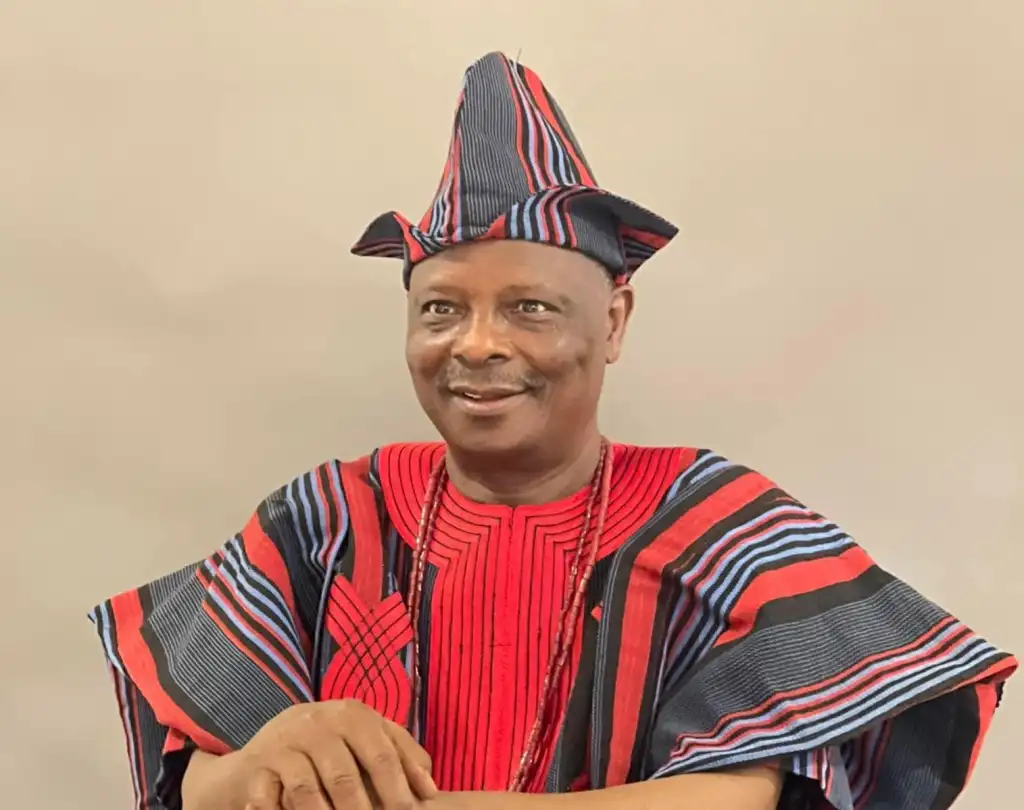
In a significant development ahead of the 2027 general elections, the newly appointed National Chairman of the All Progressives Congress (APC), Professor Nentawe Yilwatda, has extended an open invitation to opposition politicians, including New Nigeria Peoples Party (NNPP) leader Rabiu Musa Kwankwaso, to return to the ruling party. His statement underscores a renewed drive within the APC to bolster its ranks by wooing influential political figures from across the national landscape.
Yilwatda made the remarks during a live interview on Channels Television shortly after his confirmation at the APC’s National Executive Committee (NEC) meeting, which took place on Thursday in Abuja. The session, which marked his official emergence as national chairman, came on the heels of Abdullahi Ganduje’s resignation due to reported health challenges.
Responding to a direct inquiry about Kwankwaso, the former governor of Kano State and presidential hopeful under the NNPP banner in 2023, Yilwatda was unambiguous in his stance. “Our doors are open. When everybody’s time is due, it will manifest itself, and that is also for everybody who has come back to the APC,” he stated.
This strategic olive branch extends beyond mere political pleasantries. It is part of a broader recalibration within the APC’s national leadership as the party positions itself for the forthcoming elections. The leadership appears to be working to mitigate internal fractures and project an image of unity, stability, and inclusiveness—qualities crucial to sustaining a dominant political force in Nigeria’s volatile democratic space.
APC Nears Two-Thirds Senate Majority As More Lawmakers Defect From PDP
Rabiu Kwankwaso remains a central figure in Nigeria’s political discourse. As the founder of the Kwankwasiya movement, his grassroots mobilization power, particularly in the Northwest, makes him a valuable political ally or formidable adversary. Speculations about his political future have persisted since the conclusion of the 2023 elections, with analysts pondering whether his next move could include a return to his former political base—the APC.
While no official confirmation has emerged from Kwankwaso himself, the timing of Yilwatda’s public overture suggests a deliberate effort to preempt ongoing negotiations and political realignments. The APC appears keen to regain former stalwarts and strengthen its nationwide network as Nigeria braces for another electoral cycle.
Yilwatda’s rise to the chairmanship is itself emblematic of the party’s shift towards a technocratic and reconciliatory leadership style. A professor of engineering and former Resident Electoral Commissioner in Benue State, he brings both academic rigor and administrative experience to the APC’s top seat. Prior to his current role, he was also a governorship candidate in Plateau State, showcasing his deep engagement with grassroots politics.
In his inaugural address, Yilwatda vowed to prioritize unity and healing within the party. He acknowledged the internal tensions that have plagued the APC in recent years and pledged to resolve factional disputes across state and national levels. “We will ensure reconciliation becomes the cornerstone of our political strategy moving forward,” he affirmed.
Observers say this may signal a turning point for the APC. With a fresh face at the helm and calls for inclusiveness gaining momentum, the party could witness an influx of former members, especially those disillusioned by leadership struggles in other political camps.
Yilwatda’s message resonates at a time when Nigeria’s political atmosphere is already heating up in anticipation of 2027. The coming months are expected to witness a flurry of defections, alliances, and strategic repositioning, as various actors seek relevance and advantage.
Whether Kwankwaso will heed the APC’s call remains to be seen. However, what is clear is that the ruling party is ready to open its arms wider than ever before—setting the stage for a potentially dramatic reshaping of Nigeria’s political terrain.













Leave a Comment
Your email address will not be published. Required fields are marked with *