
Seven Banks Scramble to Fill ₦964.8bn Capital Gap Ahead of CBN’s 2026 Deadline Seven commercial banks in Nigeria are under increasing pressure to close a cumulative capital shortfall of ₦964.8 billion as the Central Bank of Nigeria (CBN) pushes forward with its aggressive recapitalisation mandate. The CBN’s initiative, launched earlier in 2024, aims to
Seven Banks Scramble to Fill ₦964.8bn Capital Gap Ahead of CBN’s 2026 Deadline
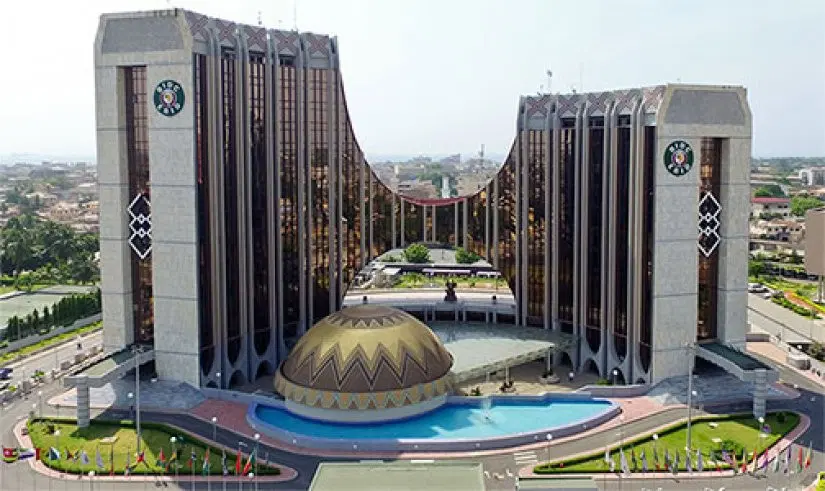
Seven commercial banks in Nigeria are under increasing pressure to close a cumulative capital shortfall of ₦964.8 billion as the Central Bank of Nigeria (CBN) pushes forward with its aggressive recapitalisation mandate. The CBN’s initiative, launched earlier in 2024, aims to enhance financial sector resilience amid macroeconomic instability, including inflation, currency volatility, and growing credit risk.
The affected banks—Fidelity Bank, FCMB, GTCO, UBA, First Bank Holding Company (FirstHoldco), Sterling Bank, and Stanbic IBTC—face varying degrees of funding gaps as they race against time to comply with the new capital thresholds set by the apex bank. Failure to meet the requirements by the 2026 deadline could lead to market shakeups, mergers, or outright acquisitions.
Bwala Predicts Collapse Of ADC-Led Opposition Coalition Within Six Months
CBN’s New Capital Framework Spurs Urgent Funding Moves
Under the CBN’s revised capital base directive, commercial banks with international licenses must now hold a minimum capital of ₦500 billion. National and regional banks are expected to meet thresholds of ₦200 billion and ₦50 billion respectively. These requirements aim to ensure financial system stability, particularly as Nigeria battles fiscal headwinds and external shocks.
While four banks—AccessCorp (₦351 billion), Zenith Bank (₦350.5 billion), Ecobank (₦147 billion), and Lotus Bank—have already crossed the finish line, the remaining seven must mobilise almost a trillion naira in new capital within 18 months. Collectively, Nigerian banks have raised about ₦1.3 trillion so far, which covers just over half (52.6%) of the sector’s total estimated shortfall of ₦2.5 trillion.
Here’s a breakdown of the capital gaps faced by the seven banks:
- FCMB – ₦233.8 billion
- Fidelity Bank – ₦194.4 billion
- GTCO – ₦152.4 billion
- UBA – ₦144.8 billion
- Stanbic IBTC – ₦90.7 billion
- FirstHoldco – ₦78.7 billion
- Sterling Bank – ₦70 billion
Despite the daunting figures, financial analysts remain cautiously optimistic about the sector’s health and outlook. A recent report by Afrinvest, titled “H1’25 Macroeconomic Review and H2’25 Outlook: Beyond Silver Linings; Statistical Gains, Social Strains,” concluded that the Nigerian banking industry remains fundamentally strong. The report noted that ongoing recapitalisation would spur earnings growth, improve balance sheet resilience, and enhance investor confidence.
Recapitalisation Options: Rights Issues, M&As and Foreign Partnerships
To meet the stringent capital thresholds, affected banks are deploying a mix of strategic options including rights issues, private placements, mergers and acquisitions, and asset restructuring. Several have begun engaging with institutional investors both locally and internationally. Others are actively exploring partnership opportunities and preparing for possible strategic consolidations.
Temi Adedayo, Partner at KPMG Nigeria, observed that the recapitalisation wave could trigger another consolidation era, much like the 2005 banking reforms under former CBN Governor Charles Soludo, which reduced Nigeria’s bank count from 89 to 25. “We anticipate some level of consolidation, especially among tier-2 and mid-tier banks. Banks that fail to close their funding gaps may become acquisition targets,” Adedayo said.
Analysts believe the recapitalisation efforts will significantly reshape the competitive landscape, possibly redefining the ranking and market positioning of Nigerian banks post-2026. Market observers also note that this process could influence interest in the banking sector, prompting increased foreign direct investment and strategic partnerships.
Banking Sector Outlook: Positive Yet Watchful
The pressure to recapitalise comes amid broader macroeconomic instability, including persistent inflation, naira devaluation, and a rising rate of non-performing loans (NPLs). The CBN views this reform as a proactive step to prevent systemic vulnerabilities, ensuring that banks have enough capital to withstand economic shocks.
According to Afrinvest, the second half of 2025 is expected to witness an uptick in recapitalisation momentum as banks seek to meet the regulatory deadline ahead of schedule. Investor sentiment is also projected to improve as clarity around bank performance and recapitalisation timelines becomes more evident.
For now, the market remains cautiously optimistic. Investors, regulators, and consumers are closely monitoring how each of the seven banks will bridge their capital deficits—an exercise that could shape the Nigerian banking landscape for years to come.
















Leave a Comment
Your email address will not be published. Required fields are marked with *