
Tinubu to Intervene as GenCos’ ₦4 Trillion Debt Threatens Nigeria’s Power Sector In a critical move to prevent the collapse of Nigeria’s electricity supply chain, President Bola Ahmed Tinubu is expected to meet with the leadership of the country’s power-generating companies (GenCos), following alarming revelations about a mounting debt crisis. The debt, which has ballooned
Tinubu to Intervene as GenCos’ ₦4 Trillion Debt Threatens Nigeria’s Power Sector
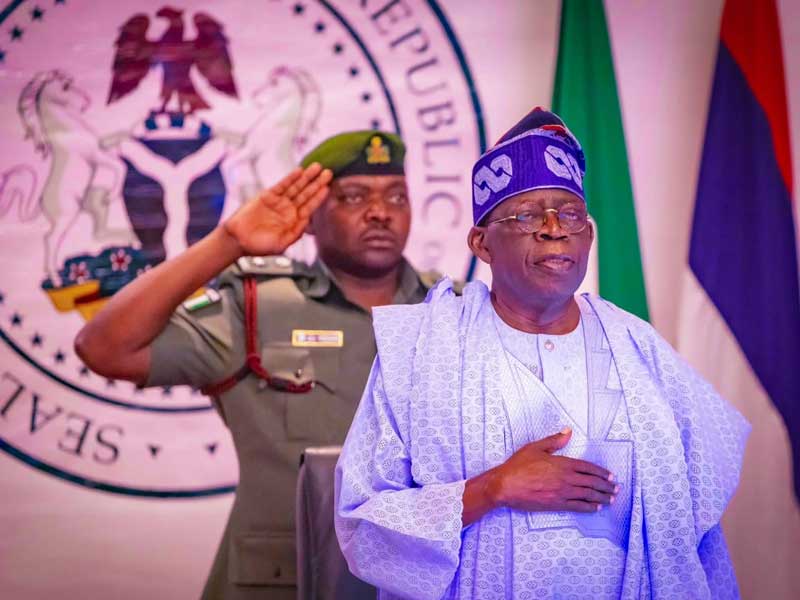
In a critical move to prevent the collapse of Nigeria’s electricity supply chain, President Bola Ahmed Tinubu is expected to meet with the leadership of the country’s power-generating companies (GenCos), following alarming revelations about a mounting debt crisis. The debt, which has ballooned to over ₦4 trillion, poses an existential threat to the country’s energy sector and has sparked nationwide concern over the stability of the national grid.
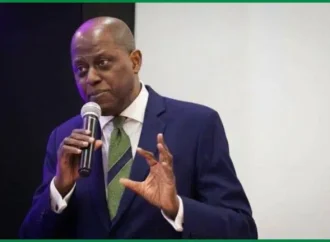
This development was confirmed by the Minister of Power, Adebayo Adelabu, after a high-level emergency meeting held in Abuja on Tuesday, April 29, 2025. The meeting brought together Adelabu and the chairmen of major GenCos, with discussions centering around the growing liquidity crisis that has severely hampered operations in the power generation sub-sector.
 blob:https://www.image2url.com/6b1201f1-93ee-44f9-bbeb-45816585e575
Aiyedatiwa Achieves 82.6% Debt Cut, Reduced Ondo Domestic Debt
Government Moves to Address GenCos’ Debt Crisis
In a statement released on Sunday, May 4, 2025, through his Special Adviser on Strategic Communications and Media Relations, Bolaji Tunji, Adelabu described the debt issue as a national emergency. He explained that the Federal Government is taking urgent measures to prevent further deterioration of the power sector, including a scheduled meeting between President Tinubu and GenCos’ executives to directly tackle the crisis.
According to Adelabu, the government plans to immediately settle a significant portion of the outstanding debt in cash to provide GenCos with liquidity. The balance, he said, would be cleared through structured financial instruments such as promissory notes over the next six months. This dual-approach strategy is aimed at stabilizing operations and restoring investor confidence in the sector.
“There is a need to pay a substantial amount of the debt in cash. At the minimum, let us pay a substantial amount, then ask for debt instruments in promissory notes to pay the rest,” Adelabu said.
He further stressed that this approach demonstrates the Federal Government’s recognition of the urgency of the situation and its commitment to avoiding a total breakdown of power services across the country.
Mounting Fears Over Grid Collapse
The crisis stems from years of unpaid debts owed by various stakeholders, including bulk purchasers and government agencies, to GenCos. These debts have eroded the companies’ ability to procure essential spare parts, carry out maintenance, and invest in upgrading facilities. Most GenCos have raised the alarm that the continued neglect could result in the shutdown of their operations—an outcome that would have catastrophic implications for homes, businesses, and industries nationwide.
Industry insiders have repeatedly warned that the power sector, already burdened by inefficiencies and low generation capacity, cannot withstand additional financial stress. The Nigerian Electricity Regulatory Commission (NERC) has also highlighted the sector’s liquidity challenges in multiple reports, calling for urgent government intervention.
Adelabu’s statement on May 4 reaffirmed that the administration is aware of these challenges and is taking steps to engage all relevant stakeholders. The upcoming meeting with President Tinubu, he said, will be a critical platform for outlining a recovery plan and securing consensus on sustainable solutions.
Roadmap for Sectoral Reform
While short-term liquidity injection is a priority, the Power Minister also hinted at broader reforms aimed at enhancing transparency, strengthening revenue collection mechanisms, and improving contractual discipline among operators in the electricity market.
Energy analysts have welcomed the government’s renewed attention to the sector but caution that more structural reforms are needed to ensure long-term sustainability. These include resolving issues around cost-reflective tariffs, subsidy reform, and improving the financial health of distribution companies (DisCos), which serve as intermediaries between GenCos and end-users.
Adelabu acknowledged these broader issues and called for collaboration across the sector to achieve meaningful progress. He reiterated the government’s readiness to work closely with the private sector and international partners to reposition the power sector as a viable and investment-friendly industry.
Looking Ahead
As Nigerians await the outcome of President Tinubu’s meeting with the GenCos, there is cautious optimism that the administration’s intervention could mark a turning point. The power sector, long plagued by underperformance, holds the key to unlocking Nigeria’s economic growth potential. Experts agree that resolving the GenCos’ debt crisis is a necessary first step toward a more stable and productive energy future.














Leave a Comment
Your email address will not be published. Required fields are marked with *