

The build-up to the 2027 general elections may trigger fresh political turmoil within major political parties, particularly the All Progressives Congress, according to political analyst and broadcaster Sumner Sambo. Sambo, who spoke during a recent edition of ARISE Television’s Morning Show, predicted that many politicians could soon face disappointment and frustration as political parties conclude
The build-up to the 2027 general elections may trigger fresh political turmoil within major political parties, particularly the All Progressives Congress, according to political analyst and broadcaster Sumner Sambo.
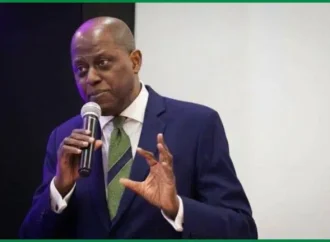
Sambo, who spoke during a recent edition of ARISE Television’s Morning Show, predicted that many politicians could soon face disappointment and frustration as political parties conclude their nomination and primary election processes ahead of the 2027 polls.
According to him, the next two weeks are likely to be politically turbulent, with heightened tension arising from disputes over consensus arrangements, direct primaries, and compliance with the Electoral Act.
 blob:https://www.image2url.com/6b1201f1-93ee-44f9-bbeb-45816585e575
Rivers APC Denies List Claiming To Clear Wike’s Allies, Dumping Fubara’s Men
Sambo warned that internal disagreements within parties, especially the ruling APC, may escalate into legal confrontations if aggrieved aspirants believe due process was not followed during the primaries.
He stressed that the Electoral Act contains provisions capable of invalidating flawed party processes, urging Nigerians to pay closer attention to how parties conduct their internal elections.
“As we head into the electoral process, these two weeks that are left are going to be two weeks that the political cycle will be overheated,” Sambo stated.
“This is because people who lose out in political parties don’t have the right to defect to any other party. And then the issues of consensus and whether direct primaries will be tested.”
The political commentator explained that aspirants who fail to secure party tickets may find themselves politically stranded due to restrictions placed on post-primary defections.
His remarks reflect growing concerns among political observers about the intense competition already emerging within several political parties ahead of the 2027 elections.
Sambo also warned that some parties might attempt to circumvent legal procedures during their nomination exercises, potentially exposing themselves to lawsuits from dissatisfied members.
“I want Nigerians to take a careful look at the Electoral Act. Read it very well because most of these political parties will be trying to run foul of that,” he said.
“And any party that runs foul of the electoral provisions, any member of that party has the right to actually take the party to court.”
Rivers APC Denies List Claiming To Clear Wike’s Allies, Dumping Fubara’s Men
The comments come at a time when political consultations, alignments, and succession battles are intensifying across the country.
Within the APC, speculation has continued to grow over possible clashes between influential political blocs, incumbent officeholders, and aspirants seeking elective positions in 2027.
Observers believe the struggle over party tickets may become more contentious in states where political godfathers and entrenched interests hold significant influence over party structures.
Sambo therefore advised political parties to exercise caution and ensure that all nomination processes comply strictly with the law.
“The political parties should be very careful and use their discretion so that they don’t run foul of the law. And of course, that’s why they have their own legal department,” he noted.
He concluded by predicting that the governing APC could witness major dissatisfaction among members once the outcomes of the primaries become clear.
“But interesting times lie ahead, and especially in the governing APC, there will be a lot of weeping and gnashing of teeth in the next two weeks,” he added.
Political analysts say internal party disputes remain one of the biggest threats to party unity in Nigeria’s electoral system, especially when consensus arrangements are perceived as favouring certain aspirants over others.
As political parties prepare for crucial nomination exercises, attention is expected to remain focused on whether they will adhere to democratic procedures and avoid legal complications capable of affecting their chances in the 2027 elections.














Leave a Comment
Your email address will not be published. Required fields are marked with *