
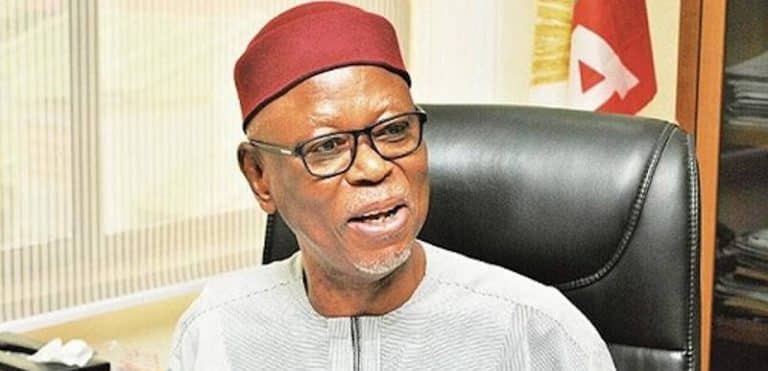
As Nigeria gradually approaches the 2027 general elections, concerns over the nation’s political and economic future are intensifying. Former Edo State governor and National Leader of the African Democratic Congress (ADC), John Odigie-Oyegun, has issued a stark warning that the journey toward the next electoral cycle will be anything but smooth. In a recent
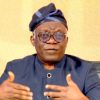
As Nigeria gradually approaches the 2027 general elections, concerns over the nation’s political and economic future are intensifying. Former Edo State governor and National Leader of the African Democratic Congress (ADC), John Odigie-Oyegun, has issued a stark warning that the journey toward the next electoral cycle will be anything but smooth.
In a recent interview, Oyegun painted a picture of a nation grappling with widespread dissatisfaction. According to him, a growing number of Nigerians are disillusioned with the current state of governance, with frustrations cutting across regions and demographics. He emphasized that this sentiment has been particularly pronounced since the 2023 general elections, which many citizens believe failed to deliver the change they had hoped for.
 blob:https://www.image2url.com/6b1201f1-93ee-44f9-bbeb-45816585e575
Oyegun noted that the dissatisfaction is especially strong among young Nigerians, who have become increasingly vocal in demanding accountability and reform. He explained that the energy and determination shown by youths during the last election cycle have not faded but instead continue to shape political conversations nationwide.
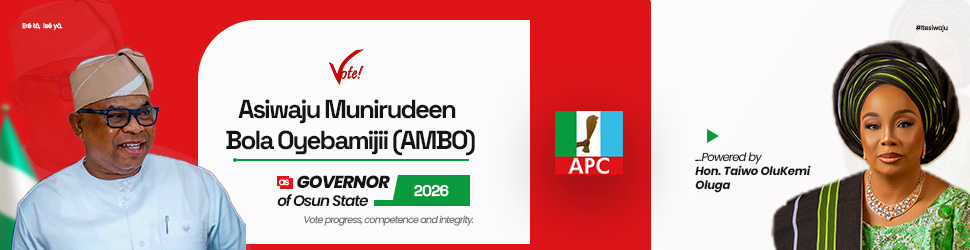
Osun 2026: Salaam Defends Choice Of Female Running Mate As ADC Elects New Executives
The former governor highlighted that the message delivered by young voters in 2023 was clear and unmistakable. According to him, their participation signaled a rejection of the status quo and a call for a new direction in leadership. He stressed that this message is still reverberating and will likely play a crucial role in shaping the 2027 elections.
Oyegun warned that the path to political transformation will not be easy. He described the coming years as a period of intense political activity, marked by resistance, realignment, and heightened public expectations. His statement that “it is not going to be a bed of roses” underscores the challenges that both political actors and citizens may face as the nation moves closer to another critical electoral moment.
In a reflective tone, Oyegun also addressed his own political future. He revealed that he is gradually stepping back from frontline politics, signaling the end of an era in his long and influential career. According to him, his journey in politics has been fulfilling, and he now views his role as largely complete in terms of building and supporting political movements.
He expressed confidence in the next generation of leaders, stating that the responsibility for driving change should now rest with younger politicians who are more in tune with the current political landscape. Oyegun believes that this transition is necessary to sustain the momentum for reform and to ensure that the aspirations of Nigerians, particularly the youth, are adequately represented.
Furthermore, he hinted at the possibility of significant political shifts ahead, suggesting that Nigeria may once again witness efforts to unseat a sitting government. This assertion adds another layer of intensity to the already charged political atmosphere, as parties and stakeholders begin to strategize for the future.
Analysts say Oyegun’s remarks reflect a broader national mood characterized by impatience and a desire for tangible progress. With economic challenges, governance concerns, and rising public expectations, the road to 2027 is shaping up to be a defining period in Nigeria’s democratic journey.
As political activities gradually gain momentum, all eyes will be on how leaders—both old and new—respond to the growing demand for change and whether they can navigate the complexities of a nation eager for a better future.















Leave a Comment
Your email address will not be published. Required fields are marked with *