
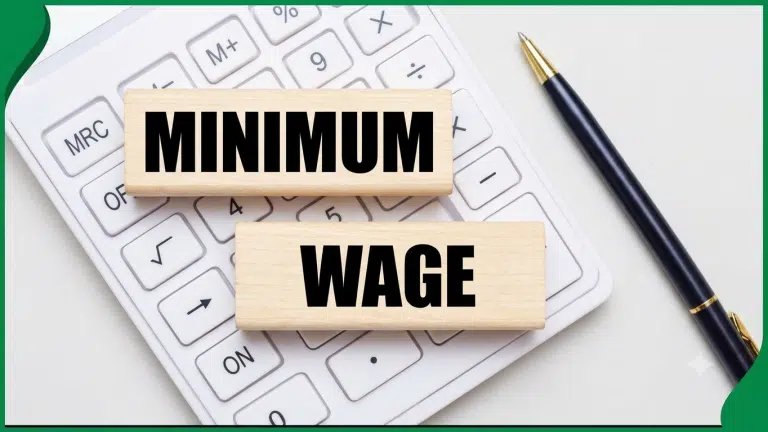
ASCSN Demands ₦300,000 Monthly Minimum Wage for Federal Workers, Says ₦70,000 No Longer Enough The Association of Senior Civil Servants of Nigeria (ASCSN) has demanded an immediate increase in the monthly minimum salary of federal government workers to ₦300,000, arguing that the current ₦70,000 national minimum wage can no longer guarantee a decent standard of
ASCSN Demands ₦300,000 Monthly Minimum Wage for Federal Workers, Says ₦70,000 No Longer Enough
The Association of Senior Civil Servants of Nigeria (ASCSN) has demanded an immediate increase in the monthly minimum salary of federal government workers to ₦300,000, arguing that the current ₦70,000 national minimum wage can no longer guarantee a decent standard of living.
The National President of the association, Comrade Shehu Mohammed, made the demand on Thursday during the union’s National Executive Council (NEC) meeting in Abuja.
Ogun Police Deny Hoodlums Besieged Awujale Palace, Explain Security Deployment
 blob:https://www.image2url.com/6b1201f1-93ee-44f9-bbeb-45816585e575
The meeting was attended by the Minister of Labour and Employment, Muhammadu Maigari Dingyadi.
Mohammed said the worsening economic situation, rising cost of living and declining purchasing power had made the current minimum wage inadequate for Nigerian workers.
ASCSN Calls for Immediate Salary Review
The labour leader urged the Federal Government to move beyond temporary financial interventions, including palliatives and wage awards, and introduce a sustainable salary increase that reflects current economic realities.
According to him, temporary relief measures have failed to provide lasting solutions to the financial challenges confronting Nigerian workers.
He also expressed concern over the government’s failure to fully implement previous relief packages, particularly the 2023 wage awards, saying this had weakened workers’ confidence in such interventions.
Mohammed insisted that the Federal Government should not wait until another statutory minimum wage negotiation cycle before reviewing workers’ salaries.
He said the government should immediately increase the salary of its lowest-paid worker to ₦300,000 monthly, with corresponding adjustments across other salary grade levels.
“Rather than waiting until the next statutory minimum wage negotiation cycle, we demand that the Federal Government should act immediately by raising the salary of its lowest-paid worker to ₦300,000, with appropriate consequential adjustments across higher salary grade levels,” he said.
Union Demands Payment of Outstanding Benefits
Beyond the proposed salary increase, the ASCSN president called on the Federal Government to settle outstanding promotion arrears, peculiar allowances and retirement benefits under the Contributory Pension Scheme.
He maintained that addressing these outstanding entitlements was necessary to improve workers’ welfare, restore confidence in government commitments and ensure better conditions of service across the federal public service.
The association also stressed the need for a comprehensive approach to workers’ welfare rather than relying on temporary interventions that may not adequately address the impact of inflation and economic hardship.
Labour Minister Advocates Dialogue
Responding to the demands, Minister of Labour and Employment, Muhammadu Maigari Dingyadi, called for stronger cooperation between the Federal Government and organised labour.
The minister urged both parties to embrace dialogue, consultation and constructive engagement in resolving disagreements over workers’ welfare.
He cautioned against strikes and prolonged confrontations, arguing that disputes between government and labour could be resolved through sustained discussions and mutual understanding.
“Government listens, Labour speaks, and together we find solutions that work for workers and for the nation,” Dingyadi said.
He reaffirmed the importance of collaboration between the government and labour unions in finding solutions that would improve workers’ welfare while taking the country’s economic realities into consideration.
The ASCSN’s demand comes amid continuing concerns over the rising cost of food, transportation, housing and other essential commodities, which have continued to put pressure on the purchasing power of Nigerian workers.
However, the proposed ₦300,000 monthly minimum salary would require significant consideration by the Federal Government, particularly regarding its financial implications and consequential adjustments across the public service.




















Leave a Comment
Your email address will not be published. Required fields are marked with *