
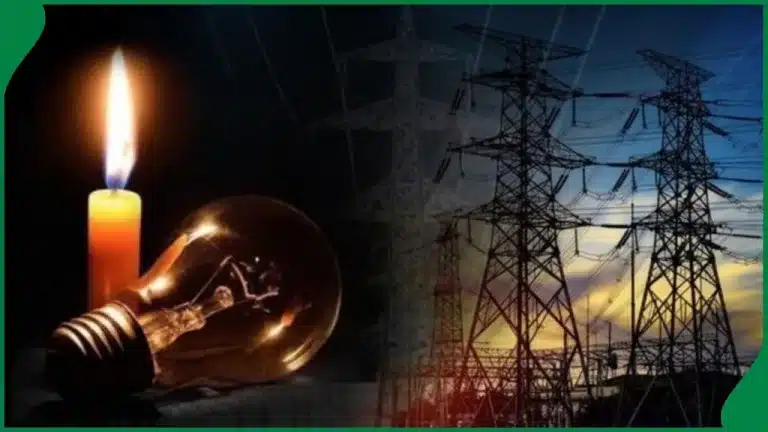
Electricity Distributors Apologise to Nigerians Over Prolonged Blackouts, Urge Tegbe to End Blame Game The Association of Nigerian Electricity Distributors (ANED) has apologised to Nigerians over the prolonged power outages across the country, acknowledging the hardship households and businesses have endured in recent weeks. The association also called on the Minister of Power, Joseph Tegbe,
Electricity Distributors Apologise to Nigerians Over Prolonged Blackouts, Urge Tegbe to End Blame Game
The Association of Nigerian Electricity Distributors (ANED) has apologised to Nigerians over the prolonged power outages across the country, acknowledging the hardship households and businesses have endured in recent weeks.
The association also called on the Minister of Power, Joseph Tegbe, to convene a meeting of electricity sector operators to identify the actual causes of the persistent electricity crisis and develop lasting solutions.
Flamingos Arrive Abuja After Historic U-17 Women’s World Cup Triumph
 blob:https://www.image2url.com/6b1201f1-93ee-44f9-bbeb-45816585e575
ANED Managing Director and Chief Executive Officer, Sunday Oduntan, made the appeal on Monday during an interview on Channels Television’s Sunrise Daily.
Oduntan began by apologising to Nigerians, admitting that the poor electricity supply had subjected citizens to considerable hardship.
“I’d like to first of all start by apologising to Nigerians. Apology is needed; it is essential because Nigerians have been taken through this problem over the past few weeks,” he said.
The ANED chief expressed concern over what he described as a return to the blame game among operators in the electricity sector, warning that the development could further undermine efforts to improve power supply.
He recalled that between 2016 and 2019, distribution companies (DisCos), the Transmission Company of Nigeria (TCN), generation companies (GenCos) and gas suppliers frequently blamed one another for electricity shortages.
According to him, the same pattern is beginning to emerge again.
“Our major problem is that we have started that very wrong route that we went through between 2016 and 2019. What is that? Blame game,” Oduntan stated.
He explained that while distribution companies blamed transmission operators, the latter pointed fingers at generation companies, which in turn blamed gas suppliers and payment challenges.
Oduntan also questioned conflicting explanations from the Nigerian Independent System Operator (NISO) and the Nigerian National Petroleum Company Limited (NNPC) regarding the causes of the electricity shortages.
He said NISO had attributed part of the problem to low water levels and inadequate gas supply to power plants, while the NNPC subsequently issued a statement indicating that gas was available.
The ANED chief insisted that Nigerians deserved clearer explanations about gas deliveries, outstanding payments and the parties responsible for any supply disruptions.
He therefore urged the power minister to bring all relevant stakeholders together to establish the facts rather than allow the operators to continue exchanging accusations.
Power Minister Announces Improvement in Lagos Electricity Supply
Meanwhile, Tegbe announced on Monday that electricity supply to the Lagos Complex had risen above 1,000 megawatts following the repair of the damaged Benin-Egbin 330-kilovolt transmission line.
The minister attributed the recent disruptions affecting parts of Lagos, Ogun, Oyo and Kwara states, as well as the Federal Capital Territory, partly to the vandalism of the transmission infrastructure.
He said the affected line had been repaired and restored to service, increasing electricity supply to the Lagos Complex to levels recorded before the disruption.
The announcement came after growing complaints from electricity consumers over weeks of inadequate supply, despite the different service commitments attached to the electricity tariff bands.
Band A customers, for instance, are expected to receive a minimum of 20 hours of electricity daily, but some have also complained about failing to get the promised supply.
The worsening situation has increased pressure on households and businesses that depend on petrol and diesel generators, particularly amid rising fuel costs and intense heat.
The cost of alternative energy sources, including solar panels, batteries and inverters, has also remained beyond the reach of many Nigerians.
Calls for Minister’s Resignation
The persistent blackouts have triggered criticism of the Federal Government’s handling of the electricity sector, with some Nigerians and civil society organisations calling for Tegbe’s resignation.
Their demands followed the minister’s appeal for patience and promise that electricity supply would improve within 72 hours.
Public figures, including actress Kate Henshaw and content creator Cute Abiola, have also expressed frustration over the situation.
The latest developments have renewed scrutiny of President Bola Tinubu’s electricity promises during the 2023 presidential campaign, when he pledged to improve power supply and end estimated billing.
With electricity consumers continuing to demand reliable service, ANED’s apology and call for greater coordination among sector operators have added to pressure on the government to address the country’s persistent power challenges.










Leave a Comment
Your email address will not be published. Required fields are marked with *