
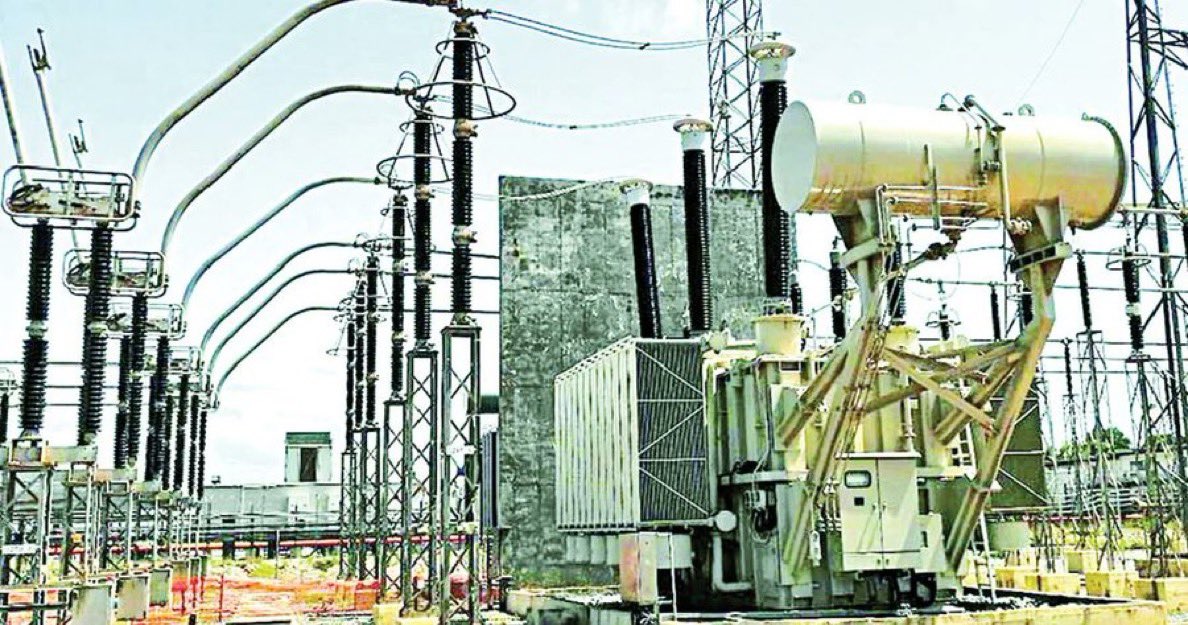
Electricity consumers across Nigeria may soon face higher tariffs as power generation companies (GenCos) intensify pressure on the Federal Government over mounting financial challenges in the sector. The GenCos have raised concerns about the growing debt owed to them and the rising cost of operations, warning that the current pricing structure is no longer
Electricity consumers across Nigeria may soon face higher tariffs as power generation companies (GenCos) intensify pressure on the Federal Government over mounting financial challenges in the sector. The GenCos have raised concerns about the growing debt owed to them and the rising cost of operations, warning that the current pricing structure is no longer sustainable.
Industry stakeholders say the liquidity crisis in the power sector has worsened in recent months, with GenCos reportedly owed trillions of naira. They argue that without urgent intervention—either through tariff adjustments or direct government subsidies—power generation could be severely affected, leading to reduced electricity supply nationwide.
 blob:https://www.image2url.com/6b1201f1-93ee-44f9-bbeb-45816585e575
Buhari’s Son Yusuf Declares For House Of Reps Seat In Katsina
The GenCos have also pointed to the increasing cost of gas, foreign exchange volatility, and inflation as major factors driving their demand for a tariff review. According to them, maintaining the current rates will continue to erode their capacity to generate and supply electricity efficiently.
In response, government officials have acknowledged the concerns but remain cautious about implementing any immediate tariff hike due to the potential impact on already struggling households and businesses. Authorities say efforts are ongoing to strike a balance between sustaining the power sector and protecting consumers from additional financial burden.
As discussions continue, Nigerians are bracing for possible changes in electricity pricing, with many calling for improved power supply and transparency in the sector before any tariff increase is approved. The outcome of these negotiations is expected to shape the future of electricity access and affordability in the country.



















Leave a Comment
Your email address will not be published. Required fields are marked with *