
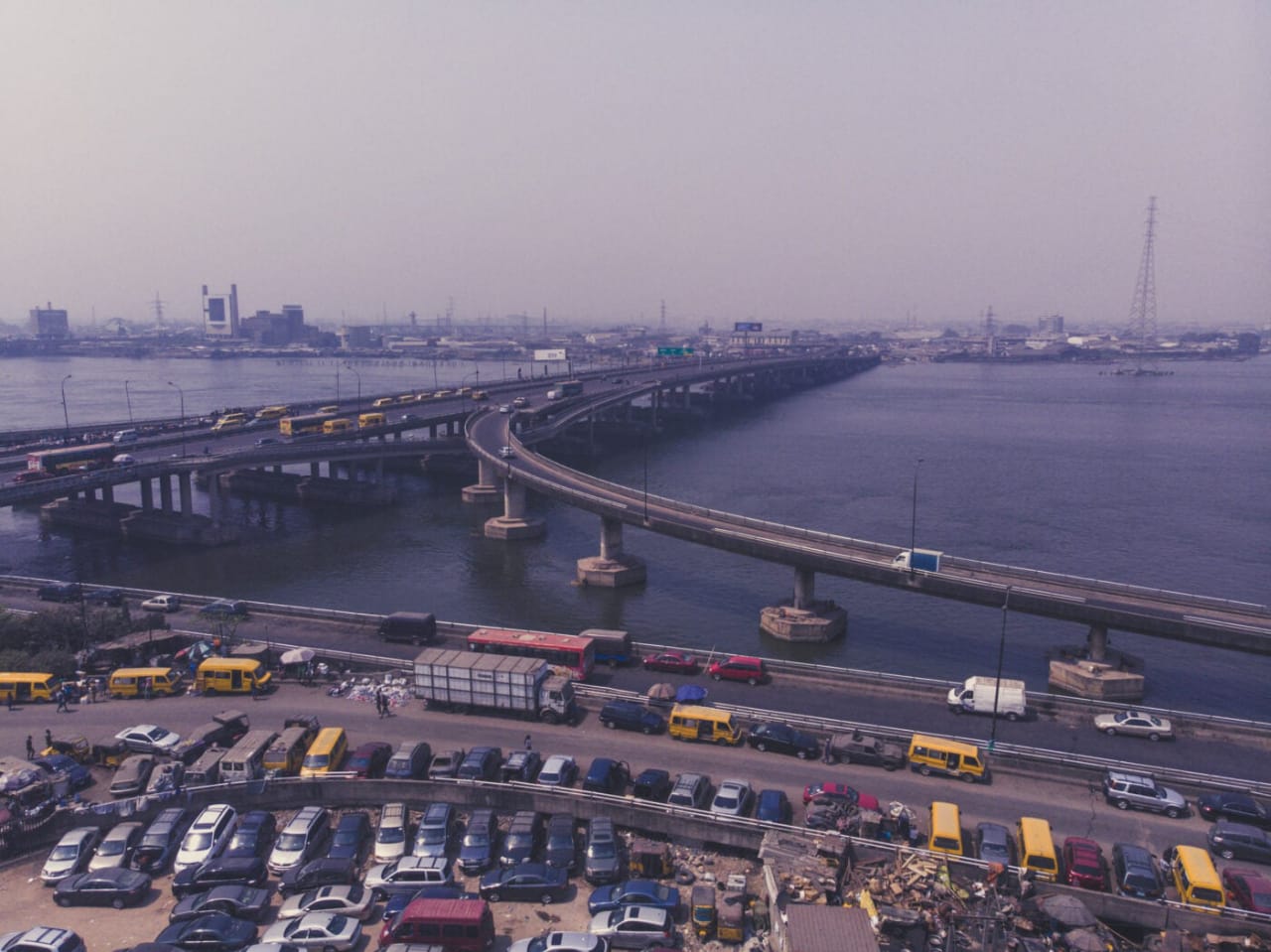
Nigeria’s Federal Executive Council (FEC) has approved plans for the demolition and reconstruction of the Carter Bridge in Lagos, a major infrastructure project aimed at improving transportation and structural safety in the commercial capital. The announcement was made on Wednesday by the Minister of Works, David Umahi, while briefing journalists at the State House
Nigeria’s Federal Executive Council (FEC) has approved plans for the demolition and reconstruction of the Carter Bridge in Lagos, a major infrastructure project aimed at improving transportation and structural safety in the commercial capital.
The announcement was made on Wednesday by the Minister of Works, David Umahi, while briefing journalists at the State House in Abuja after a council meeting presided over by President Bola Ahmed Tinubu.
 blob:https://www.image2url.com/6b1201f1-93ee-44f9-bbeb-45816585e575
Umahi explained that the approval marks the beginning of a critical process to replace the aging bridge with a modern structure capable of meeting current traffic demands and engineering standards.
The Carter Bridge is one of the key routes connecting Lagos Island to other parts of the city, making it an essential component of the state’s transportation network.
NNPC Hikes Petrol Pump Price To N933/litre In Lagos, N960/litre In Abuja
Carter Bridge Reconstruction Signals Major Infrastructure Move
During the briefing, Umahi revealed that the Federal Executive Council also approved N5.6 billion for advanced engineering consultancy services connected to the project. The consultants will be responsible for conducting detailed design work and providing accurate cost estimates for the full reconstruction of the bridge.
According to the minister, the consultancy stage is necessary to ensure that the new structure meets modern engineering requirements and can support the heavy traffic flow that passes through the bridge daily.
He noted that the consultants will assess the existing structure, develop technical drawings, and prepare cost projections before the demolition and rebuilding phases begin.
The Carter Bridge, originally built decades ago, has long served as one of the major access routes into Lagos Island. However, like many older infrastructures, it requires significant upgrades to remain reliable and safe amid growing urban pressures.
Experts say the reconstruction will likely include improvements in load capacity, traffic management design, and structural durability. These upgrades are expected to enhance connectivity between key economic areas in Lagos.
Infrastructure development has been a central focus of the federal government’s agenda, particularly in cities with large populations and high commercial activity such as Lagos. Projects like the Carter Bridge reconstruction are seen as part of broader efforts to modernize Nigeria’s road and bridge networks.
Transportation analysts say that rebuilding the bridge could help reduce congestion and improve commuting efficiency for thousands of motorists who use the route every day.
Although the timeline for demolition and construction has not yet been officially announced, the approval of funds for engineering consultants signals that planning for the project is moving into an advanced stage.
Residents and commuters in Lagos will likely monitor the development closely, as the bridge plays a crucial role in the daily movement of people and goods across the city.
Once completed, the reconstructed Carter Bridge is expected to provide a safer, stronger, and more efficient route, supporting Lagos’ position as Nigeria’s economic hub.






















Leave a Comment
Your email address will not be published. Required fields are marked with *