
Rising Tensions, Rising Prices: Global Oil Shock Pushes Nigerian Petrol Toward ₦1,000 Per Litre A renewed geopolitical crisis involving the United States, Israel, and Iran is rattling global oil markets and placing new pressure on Nigeria’s fuel economy. With global crude oil prices hovering near $80 per barrel, Nigeria is bracing for another
Rising Tensions, Rising Prices: Global Oil Shock Pushes Nigerian Petrol Toward ₦1,000 Per Litre
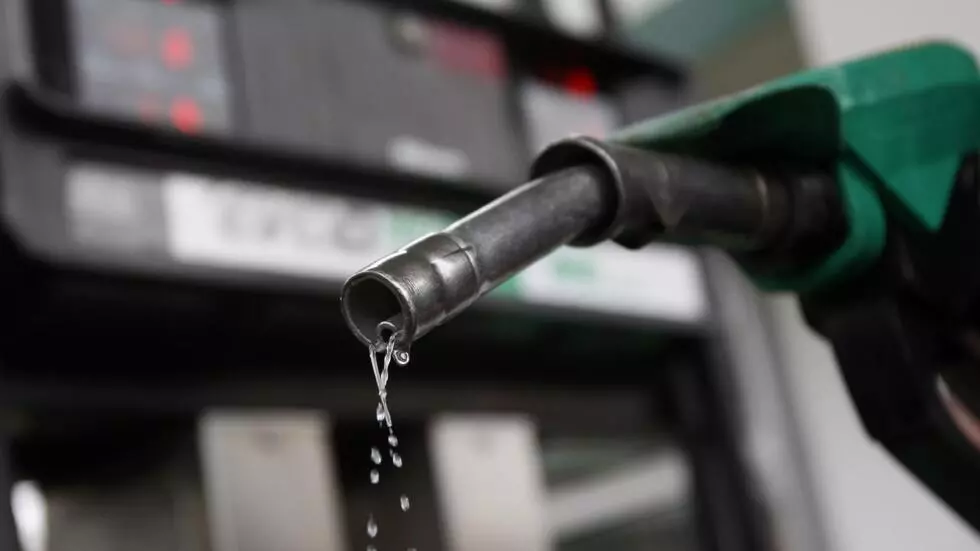 A renewed geopolitical crisis involving the United States, Israel, and Iran is rattling global oil markets and placing new pressure on Nigeria’s fuel economy. With global crude oil prices hovering near $80 per barrel, Nigeria is bracing for another spike in pump prices, with experts warning that petrol could soon retail at as much as ₦1,000 per litre.

The latest turbulence stems from coordinated U.S.-Israeli airstrikes on Iran’s key nuclear infrastructure—attacks that President Donald Trump called a “preemptive defensive strike.” In retaliation, Iran has reportedly begun procedures to shut the Strait of Hormuz, a vital waterway that handles nearly 20% of the world’s oil supply. The resulting fears of supply disruption immediately pushed oil prices higher, with Brent crude peaking near $78.62 and likely to cross the $80 threshold this week.
As Killings Persist, 11 Nigerian States Embrace Ranching While Others Remain Cautious
Global Tensions, Local Consequences: Nigeria Feels the Heat
Iran, the third-largest crude oil producer in the Organization of the Petroleum Exporting Countries (OPEC), plays a central role in global oil dynamics. With the Strait of Hormuz now under threat, major markets are pricing in increased risks. Brent crude futures rose as high as $77.01 on Friday, while U.S. benchmark West Texas Intermediate settled at $73.84. Analysts predict that prices could climb by another $3 to $5 per barrel if the conflict intensifies.
These global movements are already reverberating through Nigeria’s downstream petroleum sector. Filling stations across the country have begun increasing petrol prices in anticipation of further hikes in crude oil costs and a worsening exchange rate crisis.
According to Olatide Jeremiah, CEO of PetroleumPrice.ng, depot owners are preparing to raise the loading cost of petrol to ₦1,000 per litre if Brent breaches the $80 mark. He pointed to Dangote Refinery’s brief supply suspension last week as a key trigger for recent surges. Though the refinery has resumed operations, it’s currently selling at ₦880 for two million litres—up from ₦825 just days earlier.
From Depot to Pump: A Rising Cost Chain
Petrol prices at the pump have seen swift upward adjustments. In cities like Enugu, Kano, and Onitsha, major retailers such as MRS Oil and independent marketers are now selling petrol between ₦930 and ₦960 per litre. In Lagos, considered the cheapest region for fuel due to logistical advantages, petrol was sold at ₦925 per litre as of Sunday.
Chinedu Ukadike, National Publicity Secretary of the Independent Petroleum Marketers Association of Nigeria (IPMAN), said the hikes are being driven by the international crude price spike and an unstable foreign exchange market. “Brent crude has moved from around $66 to $77 per barrel in recent days, and that volatility is now hitting the domestic market,” he explained.
The rising price of petrol is squeezing marketers, especially those responsible for transporting 50,000 litres or more to remote areas. “We’re seeing prices in the North climb to ₦980 or even ₦1,000 per litre due to higher transportation and logistics costs,” Ukadike added.
Dangote Refinery’s Influence—and Limitations
Despite being a game-changer in Nigeria’s refining landscape, the Dangote Refinery is not insulated from global pricing pressures. The refinery procures crude oil at international rates, and thus passes any cost increases down the value chain. According to Ukadike, “Dangote is sourcing crude at the same international market rates, so the anticipated price advantage over imported fuel isn’t materialising.”
He added that local refining does not guarantee stable pricing unless the government and industry players agree on a sustainable crude-for-naira deal. In the absence of such a framework, domestic fuel prices will remain exposed to global shocks.
Refiners React: Market-Wide Adjustments Accelerate
Data from Petroleumprice.com shows that since the crisis began in mid-June, multiple depot owners have raised prices sharply:
- Rainoil: ₦850 → ₦900
- Fynefield: ₦879 → ₦930
- Mainland: ₦857 → ₦920
- Sigmund: ₦850 → ₦930
- Matrix (Warri): ₦910
- NIPCO: ₦827 → ₦895
- Aiteo: ₦840
The Nigerian National Petroleum Company Limited (NNPCL) is also expected to revise its prices upward in line with the market.
Analysts Weigh In: Risk Premium Rising
International analysts are sounding alarms over the long-term impact of this geopolitical shock. Jorge Leon, head of geopolitical analysis at Rystad Energy and a former OPEC official, told Reuters that markets are “pricing in a higher geopolitical risk premium.” Saxo Bank analyst Ole Hansen projected a $4–$5 increase in crude benchmarks once markets fully react.
SEB analyst Ole Hvalbye similarly predicted a surge in Brent futures. “Even in the absence of immediate retaliation, the risk premium will rise,” he said. UBS analyst Giovanni Staunovo, however, cautioned that oil price spikes may eventually taper if no actual supply disruption occurs and OPEC’s spare capacity remains available.
Still, since June 13, when Israel first targeted Iranian nuclear sites, Brent crude has gained 11% and WTI nearly 10%. These increases are now being felt throughout Nigeria’s energy ecosystem, from depots to pump stations.
Government Caught Between Budget Relief and Fuel Inflation
Interestingly, the surge in oil prices also comes with a silver lining—at least for Nigeria’s public finances. The Federal Government’s 2025 budget benchmark was set at $75 per barrel. With Brent now above that mark by nearly $3, there is potential for short-term fiscal relief through increased oil revenues.
However, this benefit could be undercut by domestic economic pain if higher global prices push local fuel costs beyond affordable levels. For a country where petrol subsidies were only recently removed, the spectre of ₦1,000-per-litre fuel is both politically and economically sensitive.
A Fragile Market in a Volatile World
As the Israel-Iran conflict intensifies, the Nigerian petroleum market faces an uncertain future. Brent crude may soon breach the $80 per barrel barrier, placing enormous pressure on Nigeria’s downstream fuel supply chain. Despite local refining capabilities through Dangote, the cost burden remains high due to international crude sourcing and forex instability.
Independent marketers, government regulators, and consumers are all navigating a perfect storm—one that blends geopolitics, market speculation, and supply chain complexity. Unless stability returns to the Middle East and Nigeria shores up its foreign exchange mechanisms, ₦1,000 per litre may soon become the norm rather than the exception.
















Leave a Comment
Your email address will not be published. Required fields are marked with *