
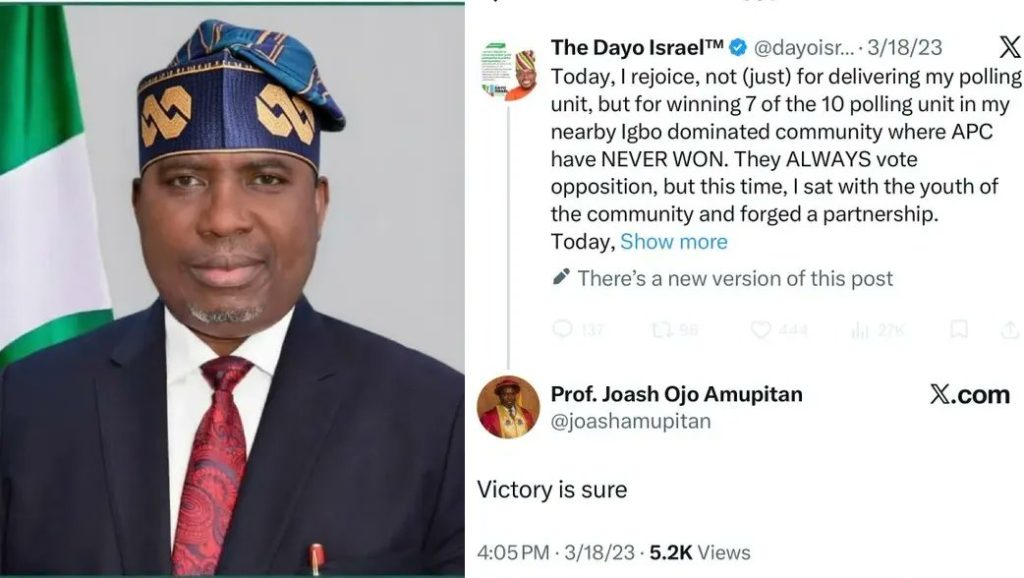
Title: Fabrication Fallout: INEC Dismisses Viral Claim Linking Chairman to Partisan 𝕏 Post The Independent National Electoral Commission (INEC) has firmly rejected allegations connecting its Chairman, Joash Amupitan, to a controversial social media post circulating on 𝕏. The Commission described the claims as entirely false and part of a broader attempt to mislead the public
Title: Fabrication Fallout: INEC Dismisses Viral Claim Linking Chairman to Partisan 𝕏 Post
The Independent National Electoral Commission (INEC) has firmly rejected allegations connecting its Chairman, Joash Amupitan, to a controversial social media post circulating on 𝕏. The Commission described the claims as entirely false and part of a broader attempt to mislead the public and undermine trust in Nigeria’s electoral system.
The issue emerged after screenshots began trending online, allegedly showing a March 2023 post from an account using the handle @joashamupitan. The post appeared to celebrate a victory by the All Progressives Congress (APC) within a local community. As the images gained traction, users questioned the neutrality of the electoral body, sparking widespread debate across digital platforms.
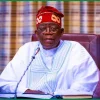
 blob:https://www.image2url.com/6b1201f1-93ee-44f9-bbeb-45816585e575
However, INEC has moved quickly to clarify the situation. In an official statement issued by the Chairman’s media office, the Commission emphasized that the account in question is not affiliated with Amupitan in any capacity. According to the statement, the Chairman neither owns nor operates any personal account on 𝕏 and has consistently avoided engaging in political commentary online or offline.
ADC Crisis Deepens As Court Stops Congresses In Adamawa
INEC further revealed that the account initially linked to the controversy had undergone multiple changes. After the screenshots went viral, the account was reportedly renamed, restricted, and later labeled as a parody. These developments, the Commission noted, reinforce the claim that the post was not authentic and was deliberately manipulated to appear credible.
The Commission described the incident as part of a “coordinated spread of false information,” suggesting that certain actors may be intentionally attempting to damage the reputation of the INEC Chairman. Officials stressed that such misinformation campaigns are particularly concerning given the Commission’s ongoing efforts to strengthen electoral processes and implement reforms ahead of future elections.
In its response, INEC highlighted the potential consequences of spreading unverified information, warning that such actions could erode public confidence in democratic institutions. The Commission urged citizens to exercise caution and verify sources before sharing content that could mislead others or create unnecessary tension.
Observers note that the timing of the allegations is significant. With INEC currently engaged in reviewing electoral frameworks and preparing for upcoming polls, any suggestion of bias or partisanship could have far-reaching implications. By addressing the claims promptly, the Commission aims to reassure the public of its commitment to neutrality and transparency.
Despite the clarification, the incident underscores the growing challenge of misinformation in the digital age. Social media platforms, while powerful tools for communication, have increasingly become channels for the rapid spread of unverified and sometimes fabricated content. This case serves as a reminder of how easily public figures and institutions can be targeted through manipulated narratives.
INEC concluded its statement by reaffirming its dedication to conducting free, fair, and credible elections. The Commission also reiterated that its leadership remains non-partisan and focused solely on upholding democratic principles.
As discussions continue online, the Commission’s firm denial seeks to draw a clear line between verified facts and misleading claims, emphasizing the importance of accuracy in public discourse.


















Leave a Comment
Your email address will not be published. Required fields are marked with *