
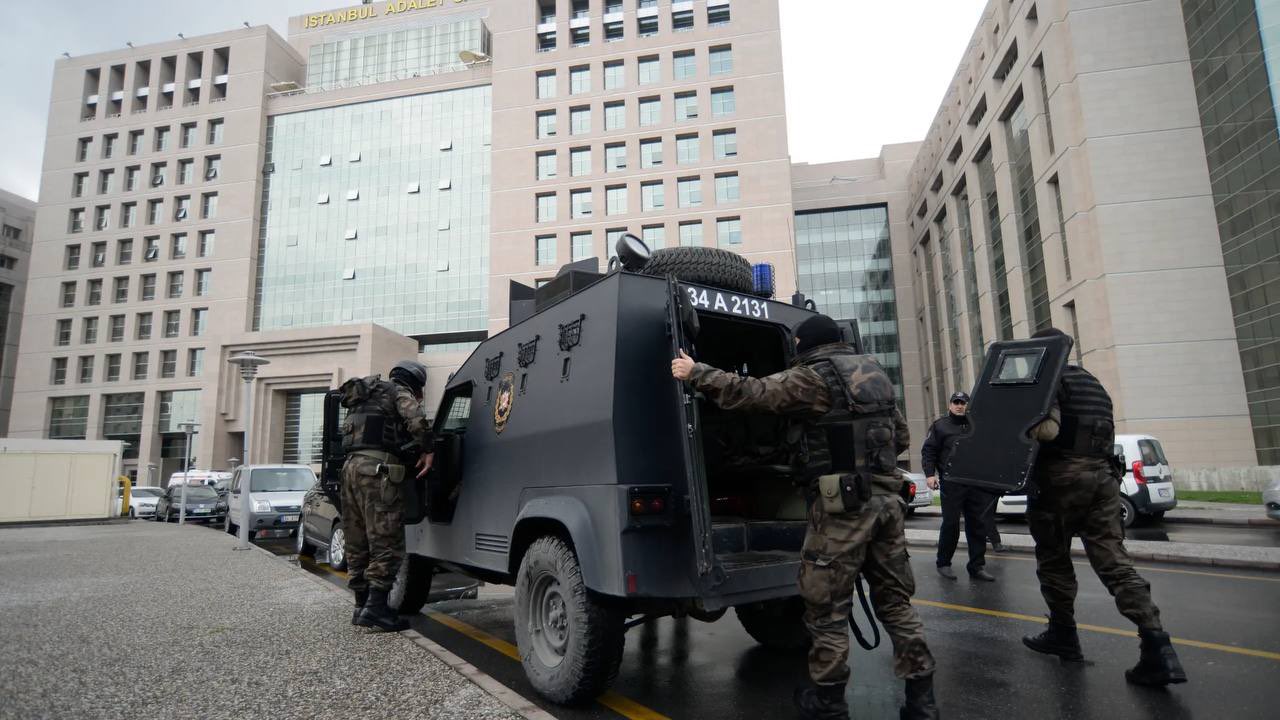
Fresh findings have emerged revealing how the United States carried out a targeted airstrike against suspected Islamic State (ISIS) operatives in Sokoto State, following what sources describe as a high-level security request from the Nigerian government. Multiple intelligence sources familiar with the operation told Newsworld Media that the strike, executed in the early hours of
Fresh findings have emerged revealing how the United States carried out a targeted airstrike against suspected Islamic State (ISIS) operatives in Sokoto State, following what sources describe as a high-level security request from the Nigerian government.
Multiple intelligence sources familiar with the operation told Newsworld Media that the strike, executed in the early hours of the week, was aimed at dismantling a rapidly expanding ISIS-linked cell operating along remote forest corridors between Sokoto, Kebbi and parts of Niger Republic. The cell was reportedly involved in arms trafficking, recruitment, and coordination of attacks against rural communities.
Youth Reformers Initiative, Aminat Ajibola’s Foundation Provides Free Food For The Vulnerable
U.S. President Donald Trump confirmed the operation in a post on Truth Social, describing the strike as “powerful and deadly,” a phrase security analysts say signals the use of precision-guided air assets rather than ground engagement. Shortly after, the United States Africa Command (AFRICOM) acknowledged the mission, stating it was conducted “at the request of Nigerian authorities,” marking a rare public confirmation of such cooperation.
Sources within Nigeria’s security architecture revealed that the decision to invite U.S. military support followed weeks of intelligence sharing between Abuja and Washington, after surveillance data allegedly confirmed the presence of high-value ISIS commanders relocating from the Sahel into north-west Nigeria. The movement was reportedly linked to pressure from ongoing counterterror operations in Mali and Burkina Faso.
Security experts say the strike reflects growing concern within Nigeria’s defence circles that terrorist networks, previously concentrated in the North-East, are increasingly embedding themselves in the North-West, exploiting porous borders and bandit networks. The operation is believed to have been executed with minimal footprint to avoid civilian casualties and political backlash.
Despite the confirmation from Washington, Nigerian authorities have maintained official silence, a move analysts interpret as a strategy to manage domestic sensitivities around sovereignty and foreign military involvement. Historically, Abuja has been cautious about publicly acknowledging foreign combat operations on its soil, even when intelligence cooperation exists.
While casualty figures remain undisclosed, intelligence sources insist the strike “significantly degraded” the targeted cell’s operational capacity. However, analysts warn that without sustained local counterterrorism pressure, such gains may be temporary.
As of press time, neither the Nigerian military nor the presidency has issued a formal statement. Observers say clarity may come in the coming days as pressure mounts for transparency over the scale, impact, and implications of the operation.
More details to follow as investigations continue.







Leave a Comment
Your email address will not be published. Required fields are marked with *