
Kate Henshaw Slams Nigeria’s Electricity Tariff Band System as “A Huge Fraud” In a fiery online post that has sparked widespread public reaction, Nollywood icon Kate Henshaw has condemned Nigeria’s electricity tariff band system, describing it as a “huge fraud” that exploits consumers while delivering subpar service. Her remarks, made via her verified account on
Kate Henshaw Slams Nigeria’s Electricity Tariff Band System as “A Huge Fraud”
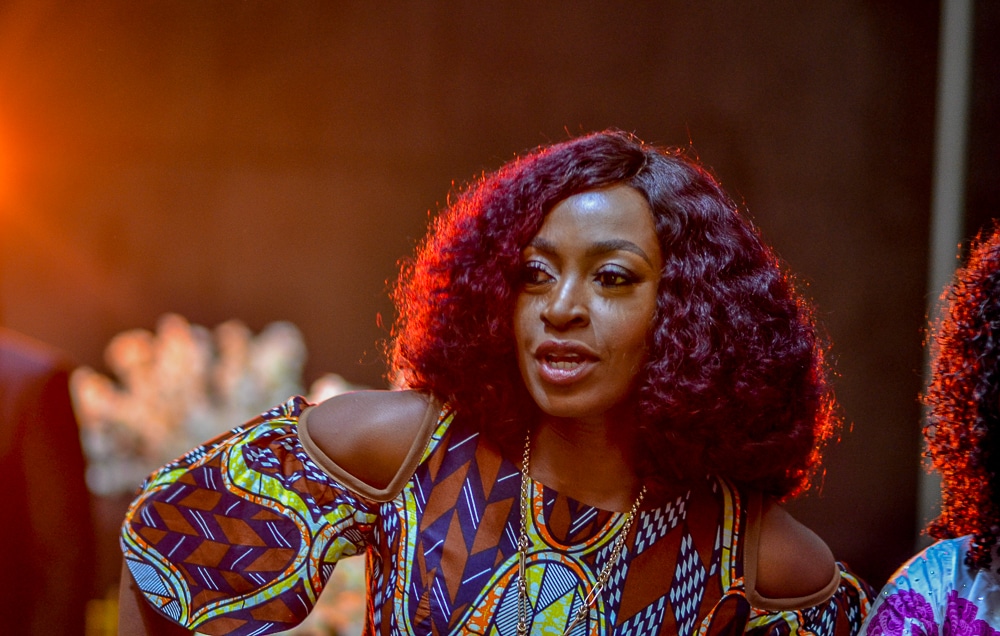
In a fiery online post that has sparked widespread public reaction, Nollywood icon Kate Henshaw has condemned Nigeria’s electricity tariff band system, describing it as a “huge fraud” that exploits consumers while delivering subpar service. Her remarks, made via her verified account on 𝕏 (formerly Twitter) on Tuesday, April 22, 2025, sharply criticized the disparity between promised electricity supply and the harsh realities faced by Nigerians, especially those under the so-called “Band A” category.
The award-winning actress expressed her deep dissatisfaction with the performance of the power distribution authorities, pointing out that, despite being billed under Band A—which is meant to provide over 20 hours of electricity daily—she barely gets two hours of power in a day.
“Band A is supposed to get 20 hours of electricity at an exorbitant tariff, but if you get 2 hours, to God be the glory. A huge FRAUD… KMT. See?!!! That estimated billing na daylight robbery with bazooka guns!!! I said what I said!!!” she wrote.
Tragedy Strikes as Rivers State Police Inspector Reportedly Takes Own Life
Frustration Over the “Fraudulent” Band System
“Fraud” dominated Henshaw’s criticism as she likened the current billing structure to a collapsed Ponzi scheme known as CBEX. “Is that not CBex-ing of the people?” she asked rhetorically, drawing attention to what she perceives as systemic deception.
According to Nigeria’s tariff classification, customers are grouped into Bands A through E, with Band A receiving the highest allocation of electricity and paying the highest rates. However, consumers like Henshaw argue that this classification has become meaningless as supply remains erratic and grossly insufficient.
“This banding of electricity is a huge FRAUD! I said it before, and I repeat it again,” she emphasized.
Her statement reflects a growing public sentiment among Nigerian citizens who feel shortchanged by a power sector that continues to demand high tariffs without the corresponding quality of service. Many households, despite falling into higher tariff bands, often experience prolonged outages, frequent blackouts, and unreliably fluctuating power.
Public Backlash and Echoes of Discontent
Henshaw’s comments come at a time when frustration with the Nigerian electricity sector is reaching a boiling point. Across social media platforms, her statements were echoed by thousands of Nigerians who shared similar experiences of being charged for electricity they never receive.
Some users shared screenshots of their estimated bills—many running into tens of thousands of naira—while recounting days spent without a single hour of supply. The term “daylight robbery,” which Henshaw used to describe the estimated billing practice, quickly began trending.
Others praised her for speaking out, applauding her bravery and consistency in using her platform to highlight social issues. Several activists and civic organizations even seized the opportunity to call for a thorough audit of the Nigerian Electricity Regulatory Commission (NERC) and the power distribution companies.
A Call for Reform
Kate Henshaw’s post has reignited debates around electricity privatization and the integrity of tariff allocation in Nigeria. Critics argue that the entire system needs urgent reform, beginning with improved accountability, transparent metering systems, and infrastructure investments that can genuinely boost power generation and distribution.
The actress’s frustration also sheds light on the mental and financial toll unreliable electricity takes on citizens. From disrupting daily routines to inflating business costs, the consequences are both personal and economic.
“When they know they can’t generate enough energy to supply the people, you raise tariff and still drop the supply! Is that not CBex-ing of the people??” she asked in disbelief.
In response to the uproar, it remains to be seen whether government authorities or power sector operators will issue a formal statement or take action to address the rising dissatisfaction.
As Nigerians continue to grapple with the inconsistencies in electricity supply and billing, Kate Henshaw’s bold condemnation may have added fresh momentum to a long-overdue national conversation about power sector accountability and the protection of consumers’ rights.









Leave a Comment
Your email address will not be published. Required fields are marked with *