
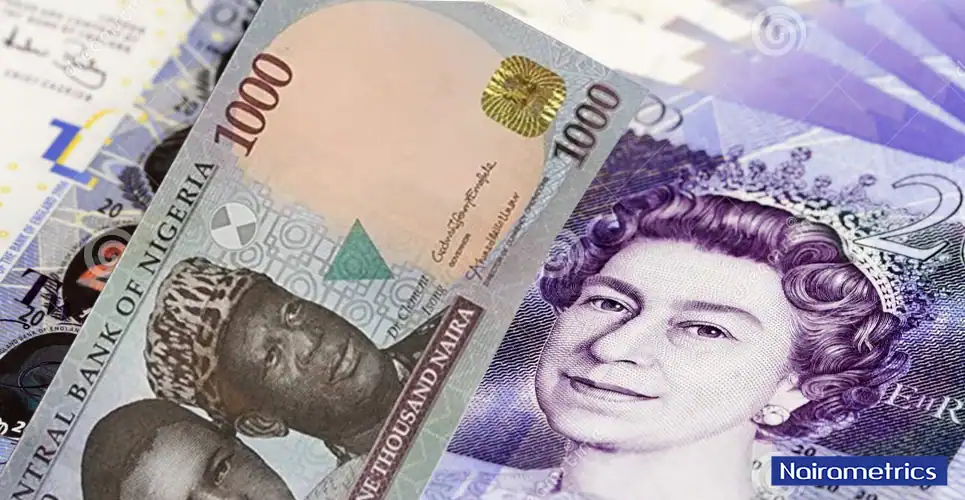
The Nigerian naira has maintained its recent strength against the British pound, with the pound-to-naira exchange rate settling at about ₦1,762 per £1 during mid-week trading in the official foreign exchange market. Recent market data indicate that the pound has weakened against the naira over the past several weeks, falling from levels around ₦1,800
The Nigerian naira has maintained its recent strength against the British pound, with the pound-to-naira exchange rate settling at about ₦1,762 per £1 during mid-week trading in the official foreign exchange market.
Recent market data indicate that the pound has weakened against the naira over the past several weeks, falling from levels around ₦1,800 per pound in early September to the mid-₦1,700 range.
 blob:https://www.image2url.com/6b1201f1-93ee-44f9-bbeb-45816585e575
Alex Otti Reveals How He Escaped Assassination
At the beginning of 2026, the GBP/NGN exchange rate was trading around ₦1,948 per pound, indicating a significant decline in the amount of naira required to buy one pound over the period.
The naira’s relative strength has continued despite the Central Bank of Nigeria’s recent reduction in its benchmark interest rate. The CBN cut the Monetary Policy Rate by 350 basis points to 23 per cent, a move that could ordinarily reduce the attractiveness of naira-denominated assets to some foreign investors.
However, increased foreign exchange liquidity and higher external reserves have provided support for the domestic currency. Nigeria’s gross external reserves have risen substantially, strengthening the country’s capacity to manage foreign exchange liquidity and respond to market pressures.
Improved turnover in the official foreign exchange market has also contributed to greater liquidity. Stronger dollar inflows and measures by the CBN aimed at improving the functioning of the foreign exchange market have helped reduce pressure on the naira.
Oil revenues remain an important source of foreign exchange for Nigeria. Changes in crude oil production, international oil prices and related external receipts can therefore affect the supply of foreign currency in the domestic market.
The CBN has also retained several measures aimed at managing liquidity and supporting financial stability despite the recent reduction in the MPR. These include relatively high cash reserve requirements for banks and continued efforts to improve transparency and liquidity in the foreign exchange market.
The movement in the GBP/NGN rate is therefore influenced not only by developments in the United Kingdom but also by Nigeria’s dollar liquidity, foreign exchange supply, monetary policy and broader external-sector conditions.






















Leave a Comment
Your email address will not be published. Required fields are marked with *